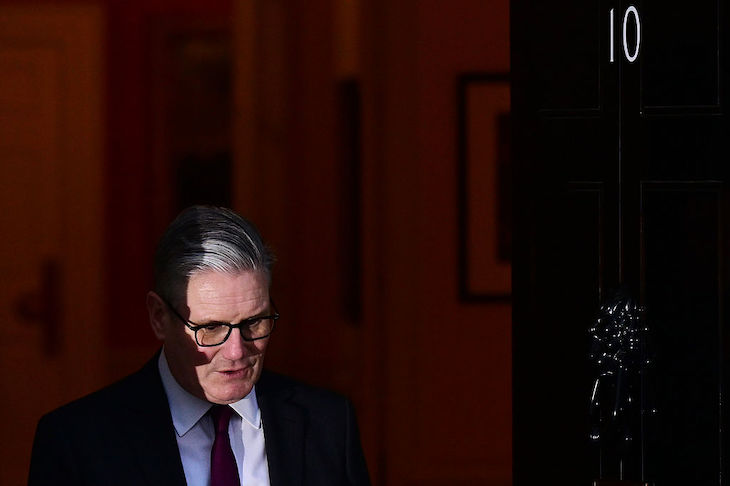
Sir Keir Starmer remains dug in as Prime Minister, having told the cabinet: ‘Bring it on if you think you’re hard enough’. Most observers have concluded that someone will indeed bring it on, and Sir Keir’s days are numbered. But there is an almighty irony in Sir Keir’s desperate pleas to stay in the job. He might be useless. He might be clueless. He might be inept. But he is also right in suggesting, as per Louis XV, après moi le deluge.
Dire as Starmer is, he is the dam holding off economic meltdown
Liz Truss has, rightly, become a byword for chaos and for economic disaster. Every time Kemi Badenoch opens her mouth, Sir Keir references Truss as if that alone is enough to destroy any credibility the Conservative leader might claim to have. She leads the party that made Liz Truss PM!
But – here’s the irony – all the putative candidates to replace Starmer (with the possible exception of Wes Streeting) have floated policies which would make the Truss budget look like a model of good economic sense in comparison.
Let’s start with the bond market. Already, before a direct challenge has even been made to Starmer, the 30-year bond yield (the interest rate) hit a new 28-year high of 5.81 per cent this morning, simply at the thought of what will likely replace Starmer. Ten-year bond yields were up almost 10 basis points to 5.13 per cent earlier today. Long-term borrowing costs are now at the highest level since the late 1990s. And this is before any would-be successor has even been nominated, let alone before he (given this is Labour, we can assume it’s not going to be a she) has actually taken over and started crashing the economy.
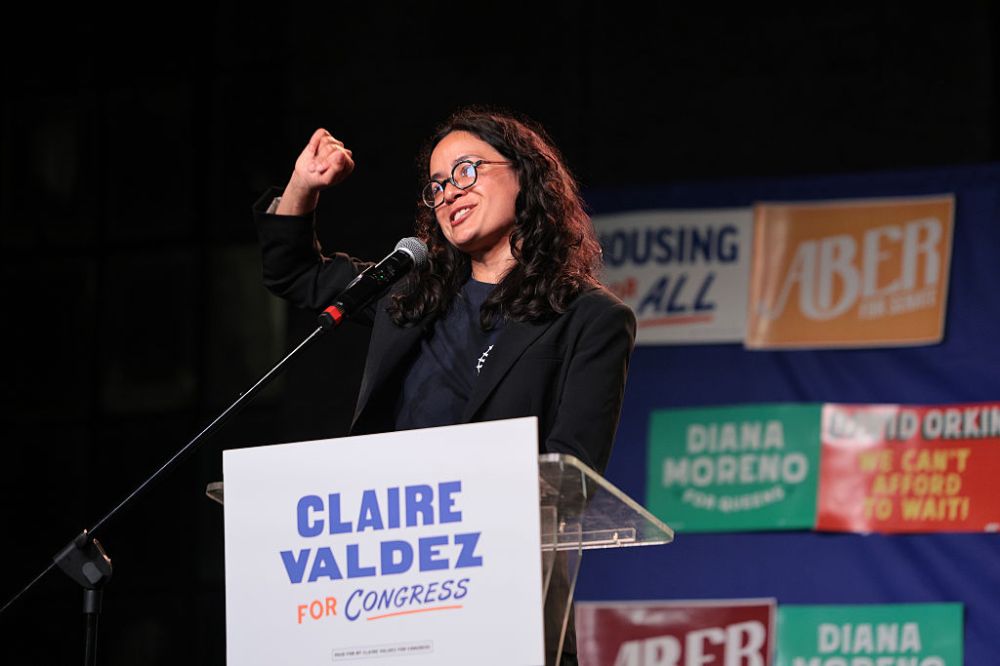
Paula Barker, a backbench ally of Andy Burnham (who infamously said last year that we are too “in hock to the bond markets”) informed the world yesterday that under any new leader, “The markets will have to fall in line.” Good luck with that.
The sheer ignorance on display among those whose policy prescription for restoring Labour’s fortunes is, in effect, to spend a lot more money would be jaw-dropping if it wasn’t so predictable. It’s certainly true that the bond markets will make today’s rises seem paltry if a new PM adopts the sort of polices that have been floated. But the idea that they are somehow to blame for doing so is itself a demonstration of this ignorance. The bond markets are simply a mechanism through which people and institutions lend to the government, with the rate being a reflection of their willingness to do so given the broader economic and political picture.
When borrowing is at a record £132 billion, that’s a lot of money that’s needed. But heh hoh, none of that matters because in the new post-Starmer magical realist world they will be made to “fall in line”. Short of confiscation of individual and institutional assets – which would trigger not so much an economic collapse as the arrival of the UK as a banana republic – or discovery of the whereabouts of an actual magic money tree, it would be interesting to discover how they will manage this. An eager nation awaits the news.
Meanwhile, the actual policy prescriptions are insane. In what world do you – rightly – argue that a shortage of affordable housing is one of the great issues of our time, and seek to solve this by reducing the supply of housing? With even Chancellor Rachel Reeves appearing to have bought in to the idea of rent controls, and the once vaguely sensible IPPR think tank now proposing a “double lock” that would cap rents, it seems odds-on that any successor to Starmer will act to introduce rent controls. Existing landlords will take housing off the market, but a bigger problem still is that prospective landlords, whose property is sorely needed to increase the supply available, will not make their housing available, thus making a bad situation worse. Brilliant.
I have barely scratched the surface of the deluge that will likely follow Starmer. All the would-be PMs will dance to the tune of Labour MPs, the very people who blocked the attempt to shave a paltry £5 billion off the welfare bill. Their response to the current £333.7 billion annual welfare bill – over 23 per cent of total government spending – is that it’s not big enough.
None of it adds up. Spending can’t increase indefinitely, especially if you go after the people whose money you need them to lend to you. And taxes can’t keep rising, especially if you need growth to pay for spending. Yet such obvious, banal statements are viewed by many Labour MPs as some sort of right-wing dogma.
Dire as Sir Keir Starmer is, he is the dam holding off utter insanity and economic meltdown.




Comments