
With Donald Trump signalling that he does not want a long war in Iran, markets have started to settle down. Traders are no longer betting on interest rate hikes, the FTSE is in the green and a barrel of oil is hovering around $90.
Nevertheless, the pressure on the Chancellor to set out further financial support to tackle the cost of living is on. The average five-year fixed mortgage passed 5 per cent today for the first time since November, prices at the pumps have jumped at their fastest pace in four years, and Morgan Stanley is the latest bank to warn that inflation could hit 5 per cent later this year.
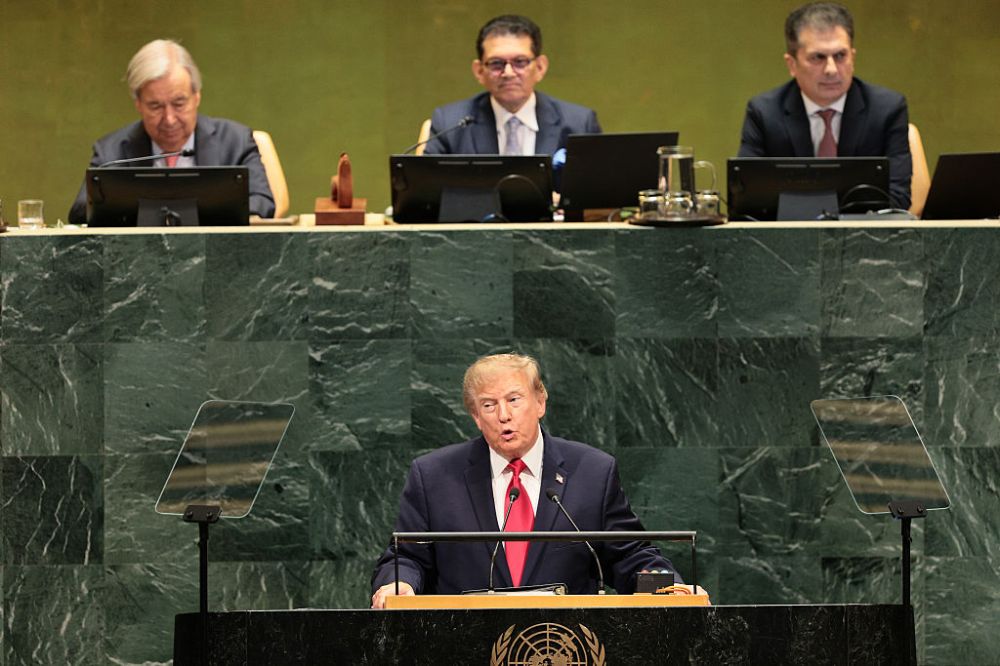
On petrol and diesel, Rachel Reeves is angry with service stations. The British government will ‘not tolerate price gouging,’ she told MPs today – pointing to the disparity yesterday between some petrol stations charging under 130p a litre while others had hiked costs to 180p.
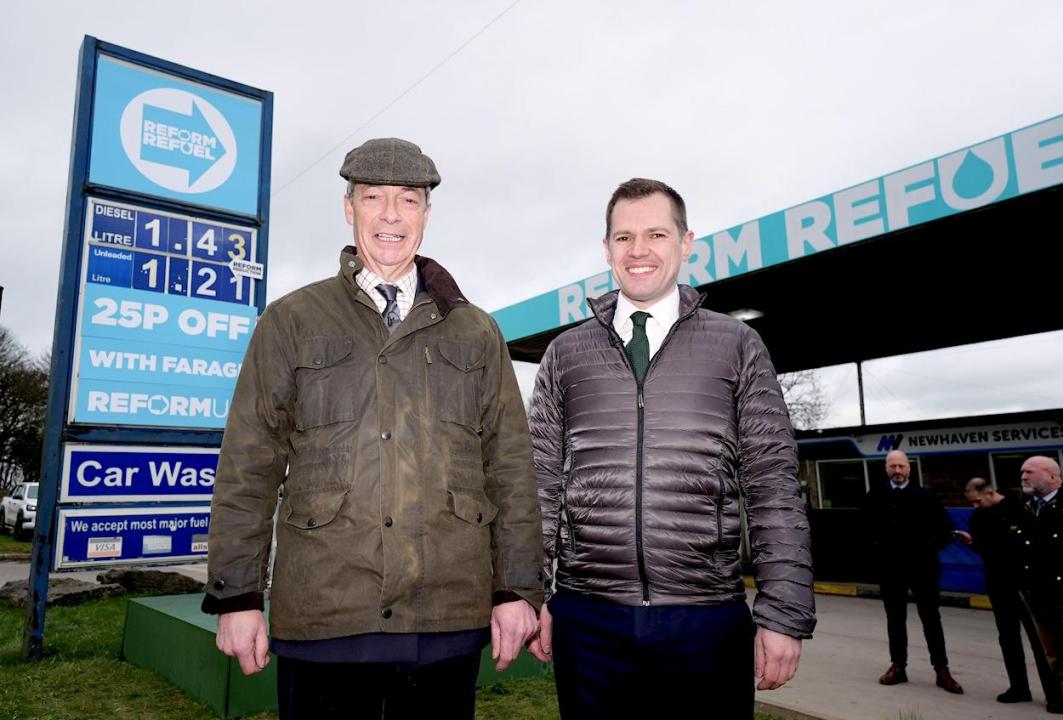
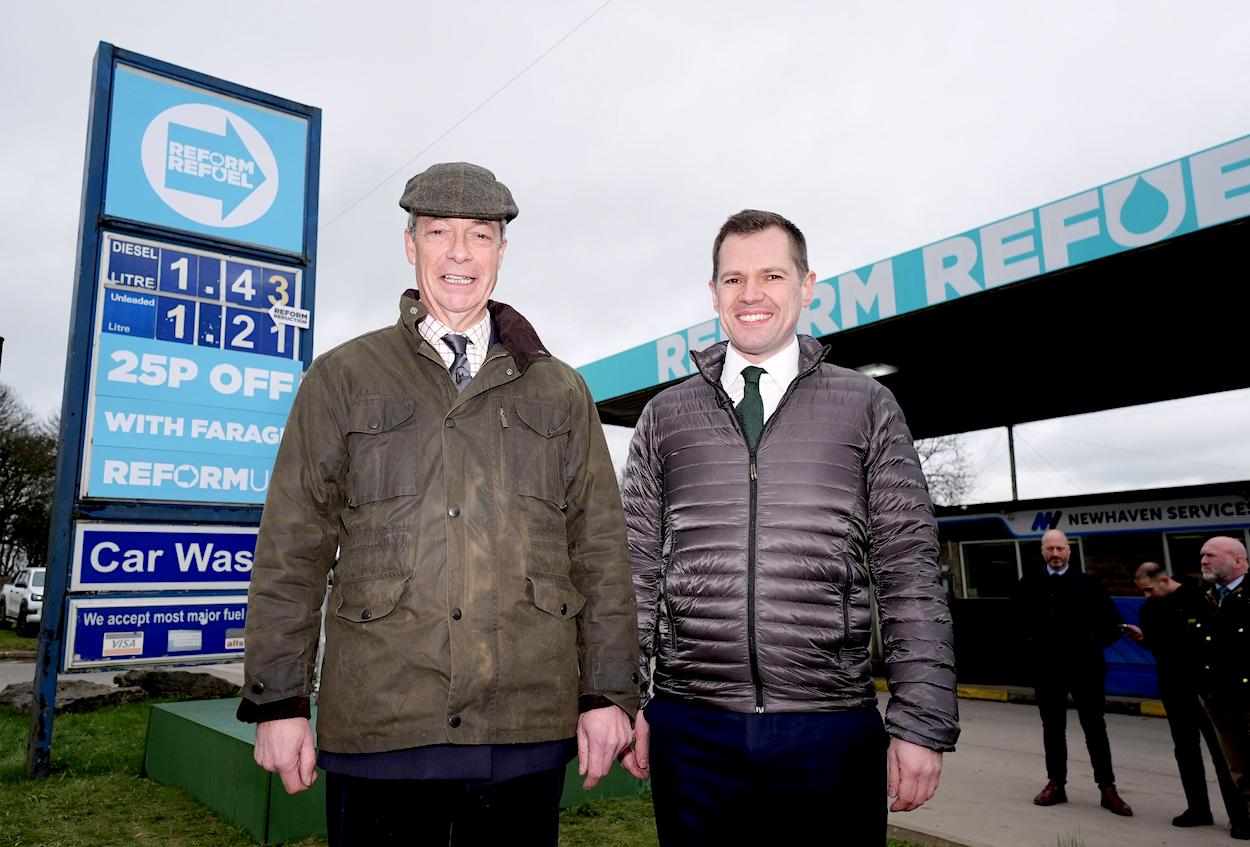
Reform, meanwhile, say it is the Chancellor who risks pushing fuel costs even higher. Visiting a petrol station in Derbyshire this morning, Nigel Farage and his Treasury spokesperson Robert Jenrick announced Reform plans to cut the government’s 5p fuel duty rise that is due to come in from September. Mel Stride has made similar calls.
The reversal is estimated to cost £2.4 billion a year by 2029. Behind the announcement, though, we see a demonstration of Reform’s new approach to their economic policy. Absolutely everything must be costed, even if, privately, those close to Jenrick admit this is difficult. To that end, Reform has included a sizeable margin of error in its current economic plans. It has called for Labour to scrap the Boiler Upgrade Scheme and ‘carbon capture usage and storage’ spending which, Reform say, would save over £12 billion by the end of this parliament. On top of that, Reform has also announced that they would scrap the electric car grant and save another £1.5 billion. Reeves has, so far, ruled a fuel duty U-turn out.
Back in Westminster, calls for further cost-of-living support from Reeves have gathered pace. Martin Lewis is on television even more than normal. The concern among Labour MPs is that if Trump does not wrap up his war in Iran in the next few weeks, then despite today’s calmer markets, Ofgem will calculate a large price hike from July. At that point, the pressure for action from a Chancellor who has made living costs her main priority will become unbearable. So what might Reeves consider?
Deutsche Bank researchers set some proposals out in a note to clients this afternoon:
- Granting Jenrick and Stride’s wish and extending the fuel duty freeze for another year (cost: £700 million)
- Year long fuel duty cut (£2.3 billion)
- A temporary VAT cut on energy bills (£1.8 billion)
- Council tax relief or lump sum payments (£2.4 billion)
- Expanding the warm homes discount (£450 million)
- Bringing back Liz Truss’s energy price guarantee to limit Ofgem’s cap (£1.4 billion – £6 billion)
It’s the last of those suggestions that is worrying some economists. As I explain on today’s Coffee House Shots, it was Liz Truss’s limitless commitment to control energy prices, rather than the mini-Budget, that really spooked markets and, arguably, led to her downfall. That support cost a lot more than any of the Deutsche Bank options (roughly £80 billion), but the potential for growing costs and require ever more borrowing is there.
When I went fishing among my City contacts for quotes yesterday, the responses were fairly underwhelming. ‘Meh, things are not as bad as you think,’ was the general view. ‘But gilts are still fucked though,’ one trader added. And that is where the Chancellor is vulnerable. As long as Britain’s ‘moron premium’ remains – the result of structurally higher inflation expectations after years of short-sighted energy and labour market policy – any hint of new borrowing will worry the market strangers we rely on. Reeves will be desperate to avoid making further cost-of-living commitments. For our own sakes, we should hope she does not have to.




Comments