The worst job in the world is to try negotiating with President Vladimir Putin to end the war in Ukraine to everyone’s satisfaction.
Yet European leaders want to do just that. Frustrated by the failure of the Trump administration to negotiate anything of value with Putin, Europe is scurrying around looking for the ideal candidate to confront the Russian leader across the table and bash out a peace deal.
It’s a fantasy world, of course. If Putin obstructed Trump, his old sparring partner, and never remotely got close to a deal with the Americans, why would he consider sitting down with some European leader, or ex-leader, to bring the four-year war to an end?
Indeed, why would Trump be happy to hand over the poisoned chalice to a European at a time when he has little affection for anything Europe and has been dismissive of the Transatlantic alliance following his go-it-alone (alongside Israel) war with Iran?
European Union foreign ministers have been discussing the potential for diplomatic intervention vis-à-vis the war in Ukraine at an informal meeting in Cyprus this week. Already, alarm bells are ringing about the need first to formulate a policy approach toward Russia before anointing an individual to be the EU chief negotiator.
The renewed interest in Europe taking over the diplomatic efforts to forge an agreement between Putin and Ukraine’s President Volodymyr Zelensky would appear to be doomed – but for one thing.
Putin is probably at his weakest since the war began on February 24, 2022. While his natural response to that realization has been to escalate the war, not back down, somewhere in his mind he must quietly fancy the idea of an EU special negotiator supplanting Trump’s team and arriving at the Kremlin to sit at one end of the 20ft white-topped oval beech table inside the Kremlin while he sits grandly opposite.
The Russian leader, when questioned, has even indicated he might contemplate a European role in trying to find a formula for peace. But he instantly came up with a name that would suit him, his old friend former German Chancellor Gerhard Schröder.
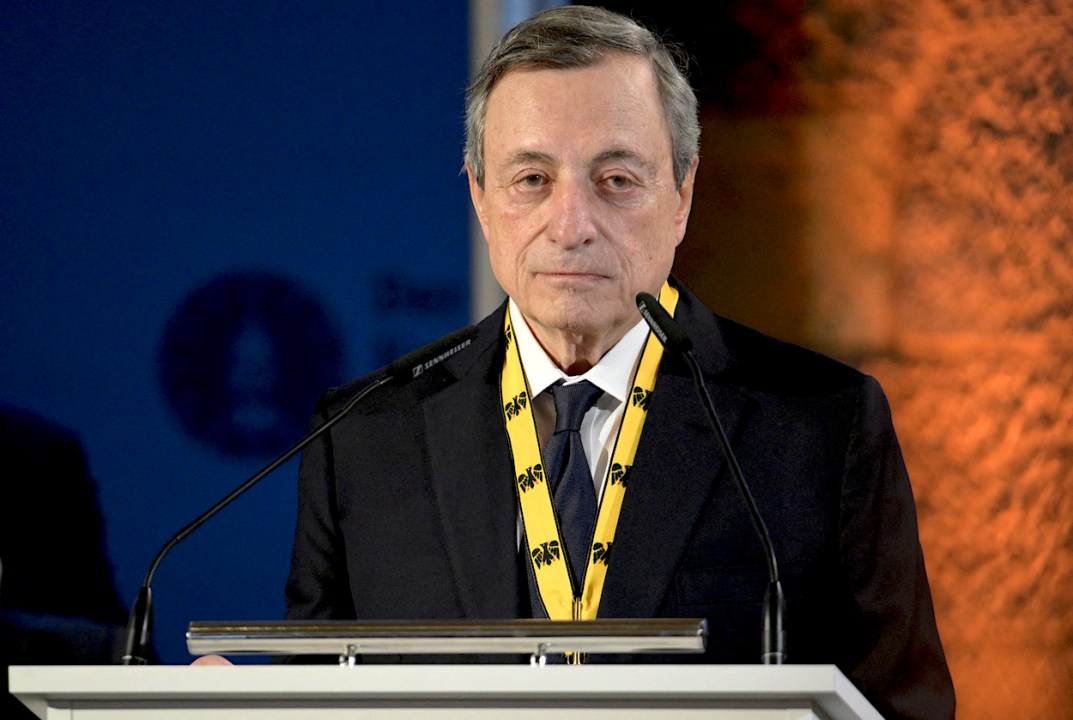
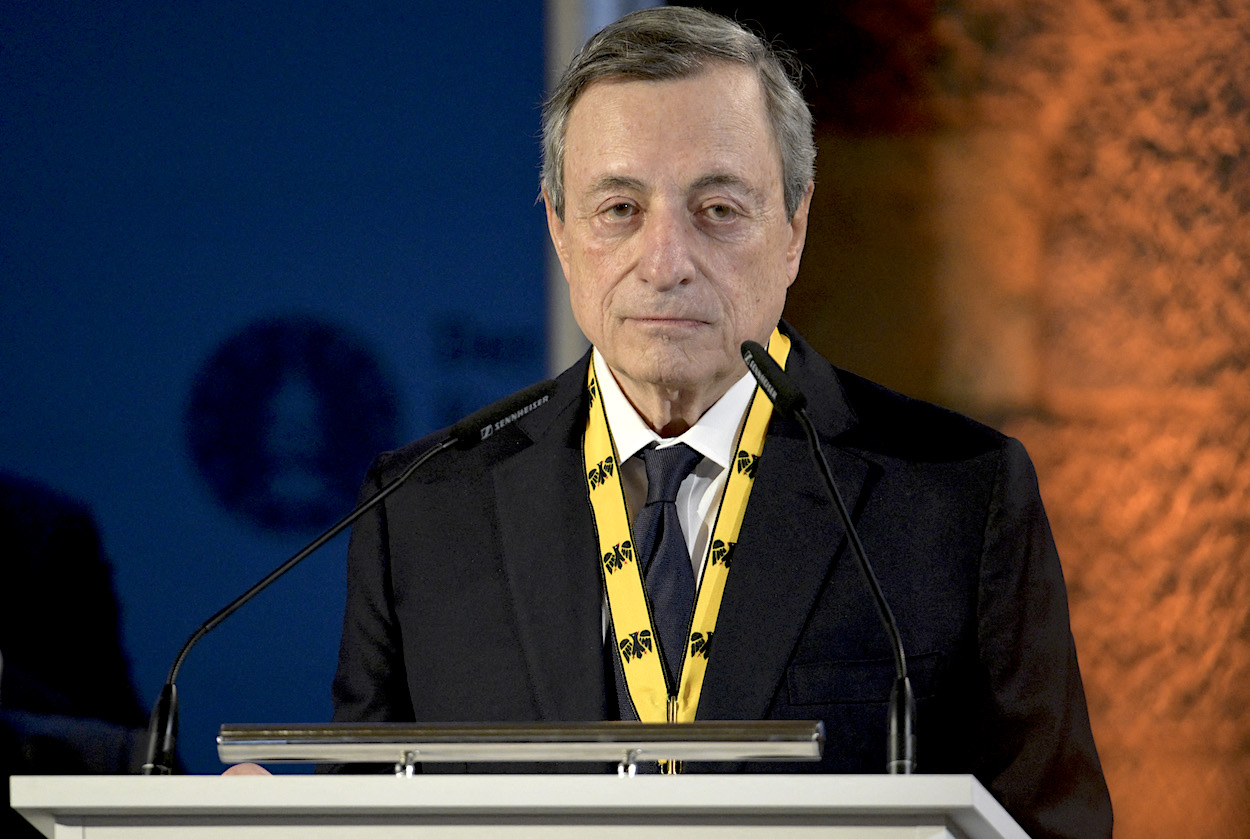
EU leaders didn’t like the sound of that and other names have been floated, such as Angela Merkel, who speaks fluent Russian and always got on with Putin when she was German chancellor, and Mario Draghi, former Italian prime minister. President Alexander Stubb of Finland has suggested he would be prepared to take on the role provided there was a ceasefire first.
This is all premature stuff. But the EU has Zelensky on side. He has been pushing for a bigger role for Europe for a long time, ever since his verbal battering from Trump and Vice President J. D. Vance in the Oval Office 15 months ago.
However, it’s trickier for Europe than it is for the Trump administration. Trump comes with his personality baggage, and Putin likes that. As a former KGB boss, he loves the drama of a set-to with a Big Rival. Trump fills that spot nicely. They play the game in front of the world’s TV cameras and expectations are high. But, as with the notorious Anchorage summit in Iceland on August 15 last year, nothing of any significance emerged.
Would Putin really succumb to the charms of a European chief negotiator and make conciliatory noises about a possible peace deal after he had effectively snubbed Trump’s efforts?
Europe has its problems. Unlike Washington, European leaders have been pretty steadfast both in terms of arming Kyiv and in standing shoulder-to-shoulder with Zelensky in fighting off the Russians.
Europe has also been adamant that it backs Zelensky’s position on territory. Putin’s demand for the whole of the Donbas region, including the areas still under Ukrainian ownership, has been rejected by Kyiv. Trump, on the other hand, has spoken in the past about the necessity of doing a territorial deal to end the war.
Trump will want to claim the trophy for ending a war he boasted he could wrap up in 24 hours
So, any Europe-led diplomatic intervention based on that sort of red line would start on shaky ground in Putin’s eyes.
Nevertheless, the state of the battlefield after more than four years might be the decisive factor. According to Anne Keast-Butler, director of GCHQ, the government’s signal intelligence center, nearly 500,000 Russian soldiers have been killed since the war began. That’s a higher figure than has been officially estimated in recent months.
Russia’s invading troops have achieved zero territorial gains for months; and even though Putin launched 90 hypersonic and intermediate-range ballistic missiles and 600 drones at Kyiv and other cities on the night of May 23, Ukraine’s determination to not falter has remained resolute. Ukrainian strikes with drones and cruise missiles, hitting targets on the outskirts of Moscow, must have concentrated Putin’s thinking as he hides away in his network of bunkers.
Trump’s focus right now is on Iran, with Cuba waiting in the wings for White House treatment. Perhaps the President will be relieved to hand over the war in Ukraine to the Europeans. He has as good as said it’s a European responsibility.
However, is Europe truly ready to take on the role? In the end, Trump will want to claim the trophy for ending a war he boasted he could wrap up in 24 hours. He won’t like Europe getting in the way of that dream.
Whoever is chosen to be the EU chief negotiator could well be battling it out with Trump as well as Putin.




Comments