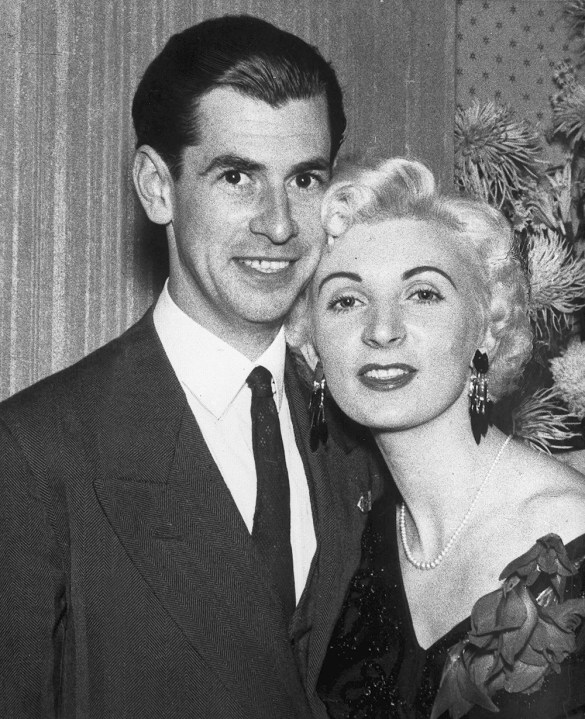


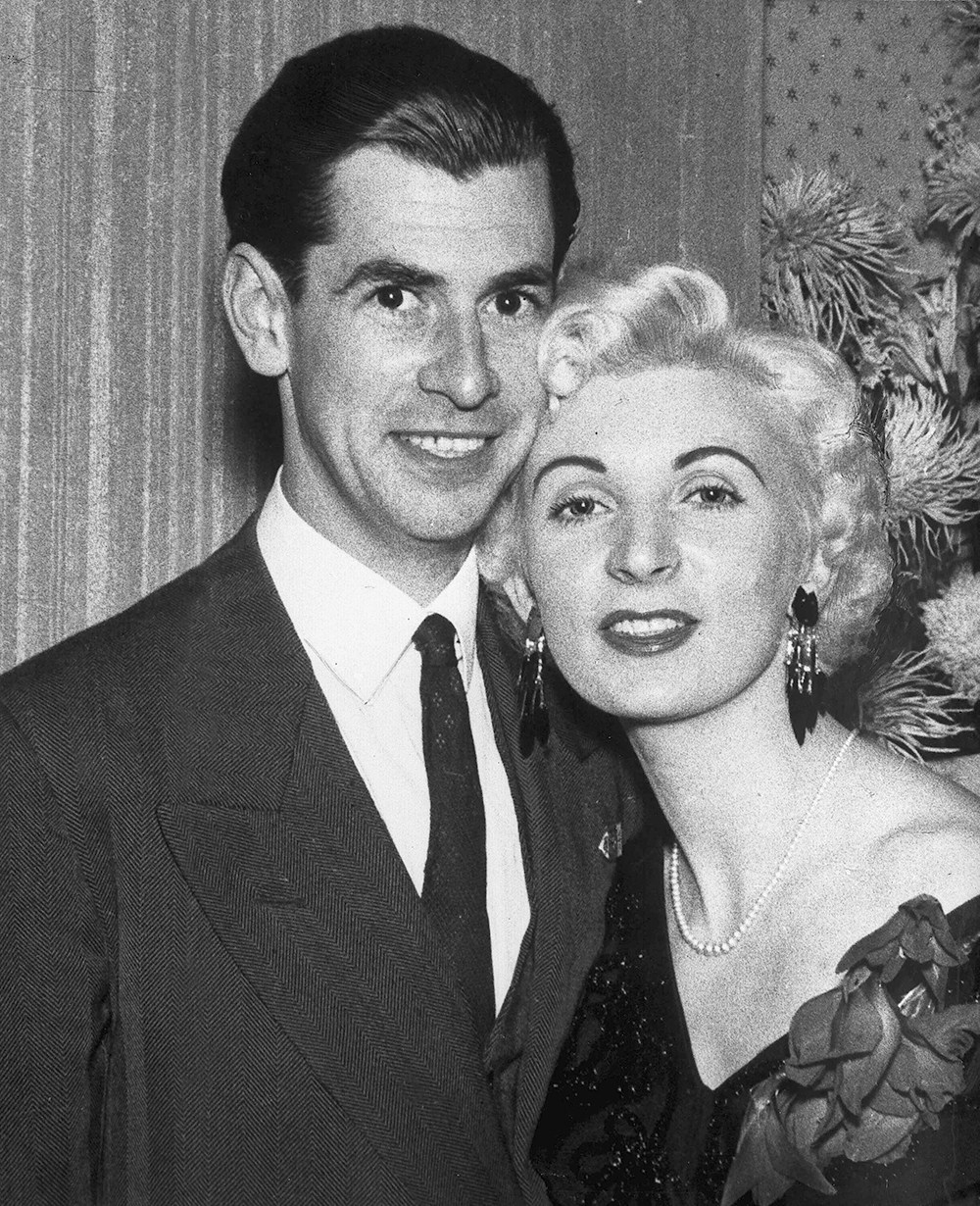
Ruth Ellis was, as everyone knows, the last woman in Britain to be hanged – her case a catalyst for the abolition of the death penalty. But is the story we are all so familiar with the whole one? Louisa Treger, a seasoned teller of tales of extraordinary women, brings Ellis to life in a new novel. A Fatal Love presents us with a remarkable woman who committed a remarkable crime.
In 1955, when Ellis shot her lover David Blakely outside a pub in Hampstead, domestic violence was seen by the police as a ‘private matter’. ‘Coercive control’ had yet to be coined as a term, and was half a century from being criminalised. In this literary, dialogue-driven thriller, we learn that Ellis’s violent, alcoholic father had also sexually abused her.

It was while she was working at the Little Club in Knightsbridge that Ellis met and fell in love with Blakely, an upper-class man from a very different background to hers. She was a beautiful, glamorous woman, and this was used against her – as it always is with women who suffer sexual assault. She was also a fragile person, and Treger portrays her as a complex character who had only ever known violence from men (her first husband was also abusive) and was extremely vulnerable.
In the novel, the couple’s relationship becomes intense and volatile. While involved with Blakely, Ellis is still seeing a man named Desmond Cussen, who is devoted to her. This love triangle generates constant tension and emotional turmoil, as Blakely’s behaviour grows increasingly abusive. He has affairs with other women, treating Ellis with both indifference and physical cruelty. At one point he kicks her in the stomach so hard that she miscarries their baby. The chapters outlining the violence and emotional sadism she endured work well. There is no sentimentality, and nothing gratuitous, but the taut writing makes it visceral.
Everything I have read about the Ellis case shows Blakely to have been the classic example of a domestic abuser: a charming ‘love bomber’, he is violent one minute and filled with adoration and remorse the next. His volatility and instability were terrifying traits, with him also claiming to be insecure and only in need of love and reassurance.
Treger portrays him as sociopathic in his lack of concern for suffering, and his cruel withdrawal from Ellis when she most needs comfort. Even so, we can understand how she falls for, and becomes obsessive about, him. Having lost all self-esteem and independence as a result of the abuse, she grows deranged when, shortly after losing the baby, Blakely breaks up with her. Determined to regain some control over her life, she buys a gun and practises how to shoot.
On the night of 10 April, Ellis confronted Blakely and shot him at point-blank range, firing four bullets into his body. At her trial, the defence team argued for manslaughter on grounds of provocation, but the jury found her guilty of murder after just minutes of deliberation. She was hanged on 10 July.

When asked why she killed Blakely, she said she was ‘completely wrecked’ when he disappeared, and that she would have taken him back, despite knowing that ‘the violence would just keep getting worse’. Treger does not paint her as foolish or even naive. Rather, she tells the story of a bright, self-reflexive woman full of insight about her situation and well aware of the trap she was in. Ultimately destroyed by a lifetime of male violence, and a criminal justice system that did little to deter such perpetrators, Ellis was nevertheless portrayed at her trial as a cold-blooded killer.
Last year, Ellis’s grandchildren, Laura Enston and Stephen Beard, submitted an appeal for a posthumous pardon. This was granted by the King, and Ellis’s sentence was also changed retrospectively to life imprisonment – reportedly to reflect today’s understanding of domestic violence. It is possible that had she been tried after the introduction in 1957 of the partial defence of diminished responsibility she might not have been convicted of murder. But in all likelihood, like Sally Challen and many other horribly abused women in the seven decades since, she still would have been. Ellis was the wrong kind of female victim, in that she transgressed many of the rules governing her sex and class, including the most sacred one of all. She refused to die a victim.






Comments