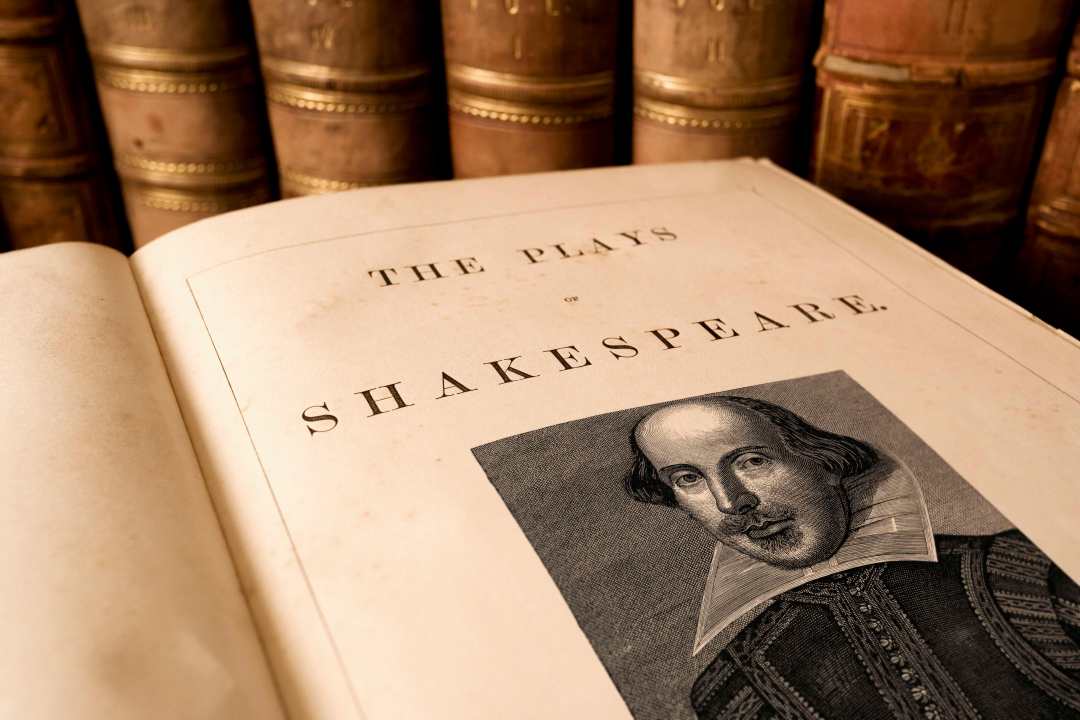
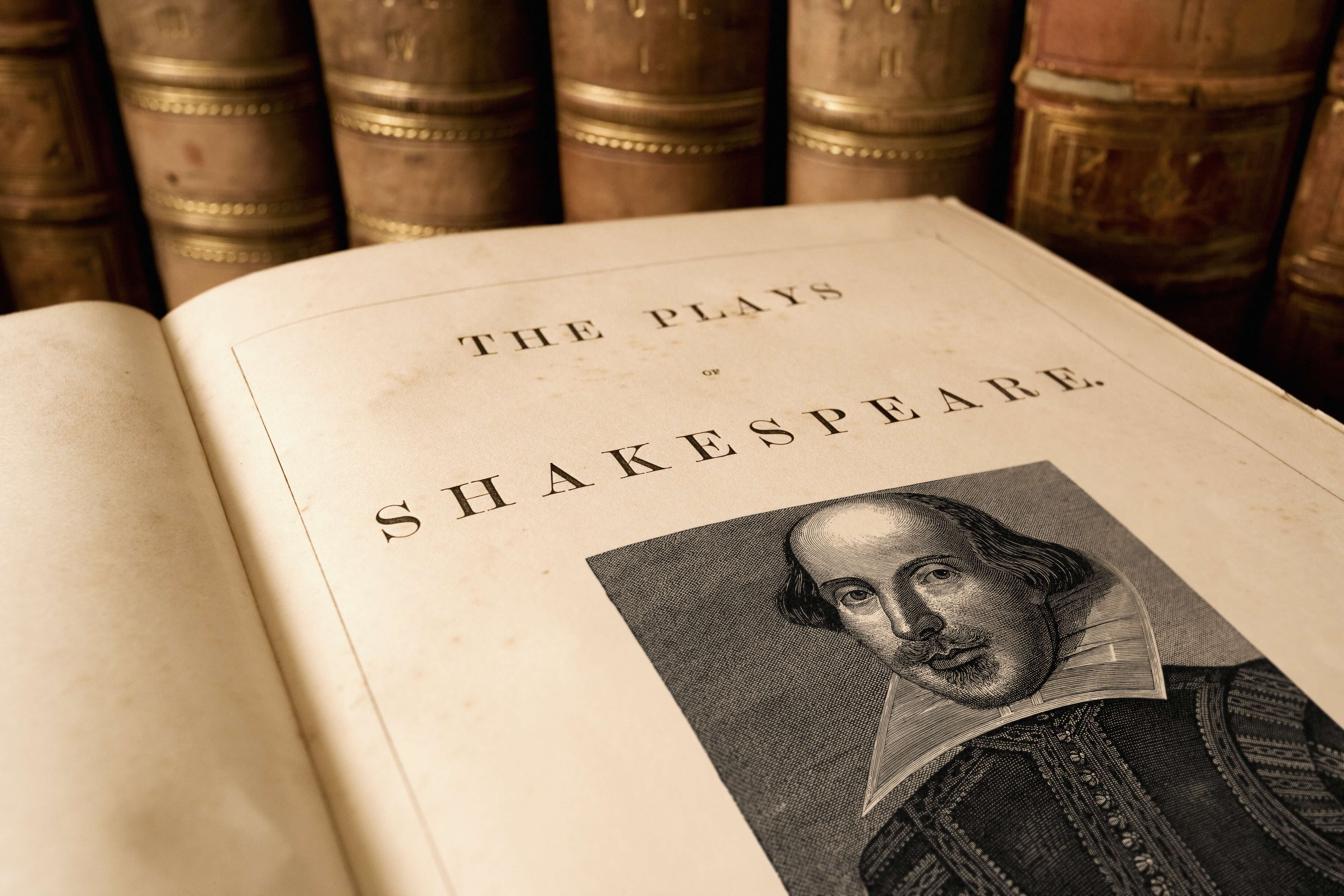
Chloe Zhao may have co-written and directed Hamnet (a film about William Shakespeare’s son), but she claims that she couldn’t understand Shakespeare’s words and had to rely on the actor Paul Mescal to help her. You might have thought that Zhao, who spent her sixth form years at Brighton College (where, one hopes, she at least sniffed at some form of Shakespeare), could have bestirred herself to read one of the many editions with glossaries, or even to bone up on the CliffsNotes, but no. Instead, she is simply contributing to the enduring, frustrating idea that reading Shakespeare is ‘difficult’, as if it were on a par with analytical philosophy or Judith Butler wanging on about hegemonies.
Shakespeare has been an essential part of the cultural life of all classes and age groups at least since the late 19th and early 20th centuries. I have a copy of Much Ado About Nothing, inscribed with my grandfather’s careful signature, John Womack, and the date, 1925. He was five years old. I wonder how many children of a similar age are given Shakespeare for Christmas now, a century later, even in curtailed form? Too complicated for their iPad-guzzling brains? Try That’s Not My Bunny instead.
He had a keen eye and ear for the demands of a hungry theatre-going audience: he knew what they liked, and how to give it to them
If you do give short bits of Shakespeare to children, you’ll find that they genuinely enjoy it: try reading ‘Full Fathom Five’ to five-year-olds and they’ll run around afterwards shouting ‘Ding-dong bell’. It’s not that much of a leap from ‘Of his bones are coral made’ (which really is not a complicated phrase to understand) to ‘Who would fardels bear?’. If children can do it, why can’t adults?
The worst of it is that Shakespeare wasn’t in some intellectual or social ivory tower, but from an ordinary, middle-class background. He was an accomplished, busy playwright, writing for the commercial stage, and jostling for position among many other accomplished, busy playwrights. He had a keen eye and ear for the demands of a hungry theatre-going audience: he knew what they liked, and how to give it to them. Sure, he could also weave in philosophy, but this never gets in the way of the drama.
The bones of his narratives would have been familiar to the playgoers: recent histories; romances; even plays that had already been put on, such as King Lear, which builds on the success of the earlier King Leir. Those plays which are set abroad, or in the distant past, such as The Tempest or Macbeth, brim with resonances to contemporaneous events such as the Gunpowder Plot or the discovery of the Bermudas. The opening of Julius Caesar doesn’t show us senators discussing lofty ideas about government, but London tradesmen, of the sort who would have been whistling in the audience, hands on their hips. Here it is – get ready, you’re going to have to give your brain a workout:
FLAVIUS: Hence! Home, you idle creatures, get you home!
Is this a holiday? What, know you not,
Being mechanical, you ought not walk
Upon a labouring day without the sign
Of your profession? – Speak, what trade art thou?
CARPENTER: Why, sir, a carpenter.
MARULLUS: Where is thy leather apron and thy rule?
What dost thou with thy best apparel on? –
You, sir, what trade are you?
COBBLER: Truly, sir, in respect of a fine workman, I am
but, as you would say, a cobbler.
See, that wasn’t too bad, was it? Compare this with, say, Sir Philip Sidney’s Arcadia, a glittering prose romance, written by a member of the upper classes and produced for cultured aristocrats. In Sidney, the lower class characters are either comic fools or impossibly erudite shepherds; very much unlike the Shakespearean characters from the lower orders, such as Bottom, who burst with vitality. These are whole, real people, observed from the streets, not idealised paragons.
It’s true that the language does put people off, but only if you refuse, fingers in ears, to venture beyond the bland prose of so much modern writing. With Shakespeare, you don’t even need a dictionary; glosses and footnotes require no more mental effort than a quick glance. I’ve even seen – though I don’t particularly like them – school editions which provide paraphrases.
Shakespeare’s syntax, especially in long speeches, can appear knotty to the casual reader (particularly so in the later plays such as The Winter’s Tale). Yet if you train your eye and ear to it, by the simple process of reading a single play, you’ll find that syntax alive, vivid, contributing to sense, character and plot. Go on, give it a try. Start with Macbeth. It’s really good, and you’ll finish it in two hours.
Unlocking the glories of Shakespeare requires a tiny bit of effort; more, perhaps for minds deadened by TikTok, and without daily exposure to the King James Bible, the language of hymns and the prayer book. But it shouldn’t be considered beyond the average person’s interest or intelligence to want to read, know and love our greatest playwright. Trust me, it’s worth it.




Comments