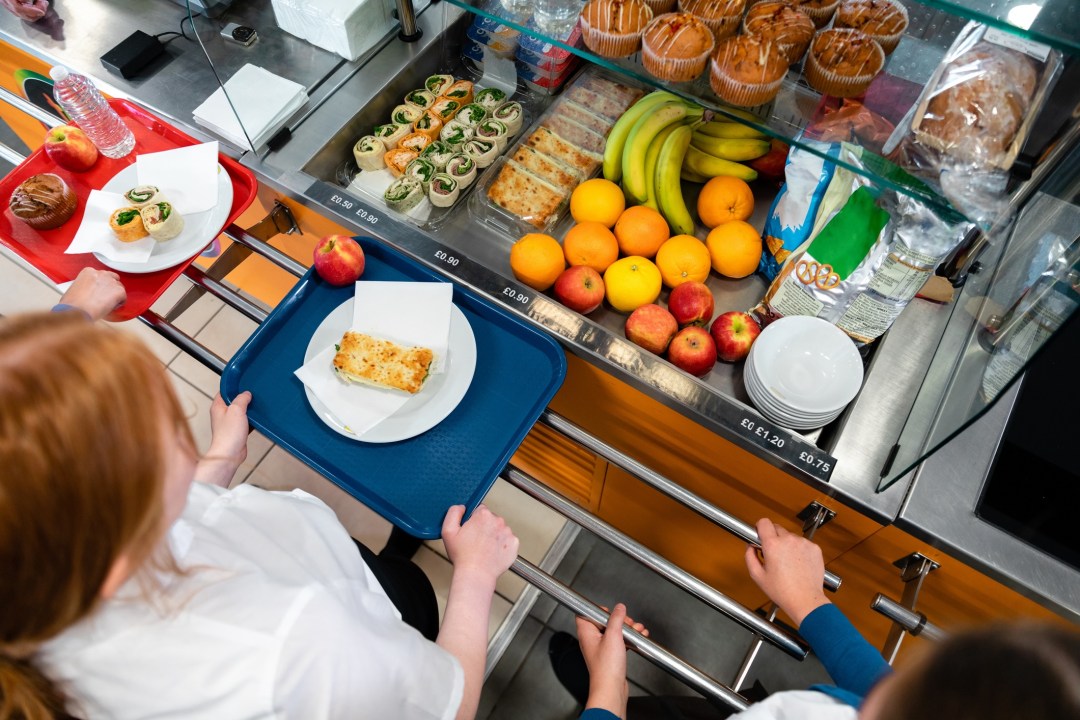
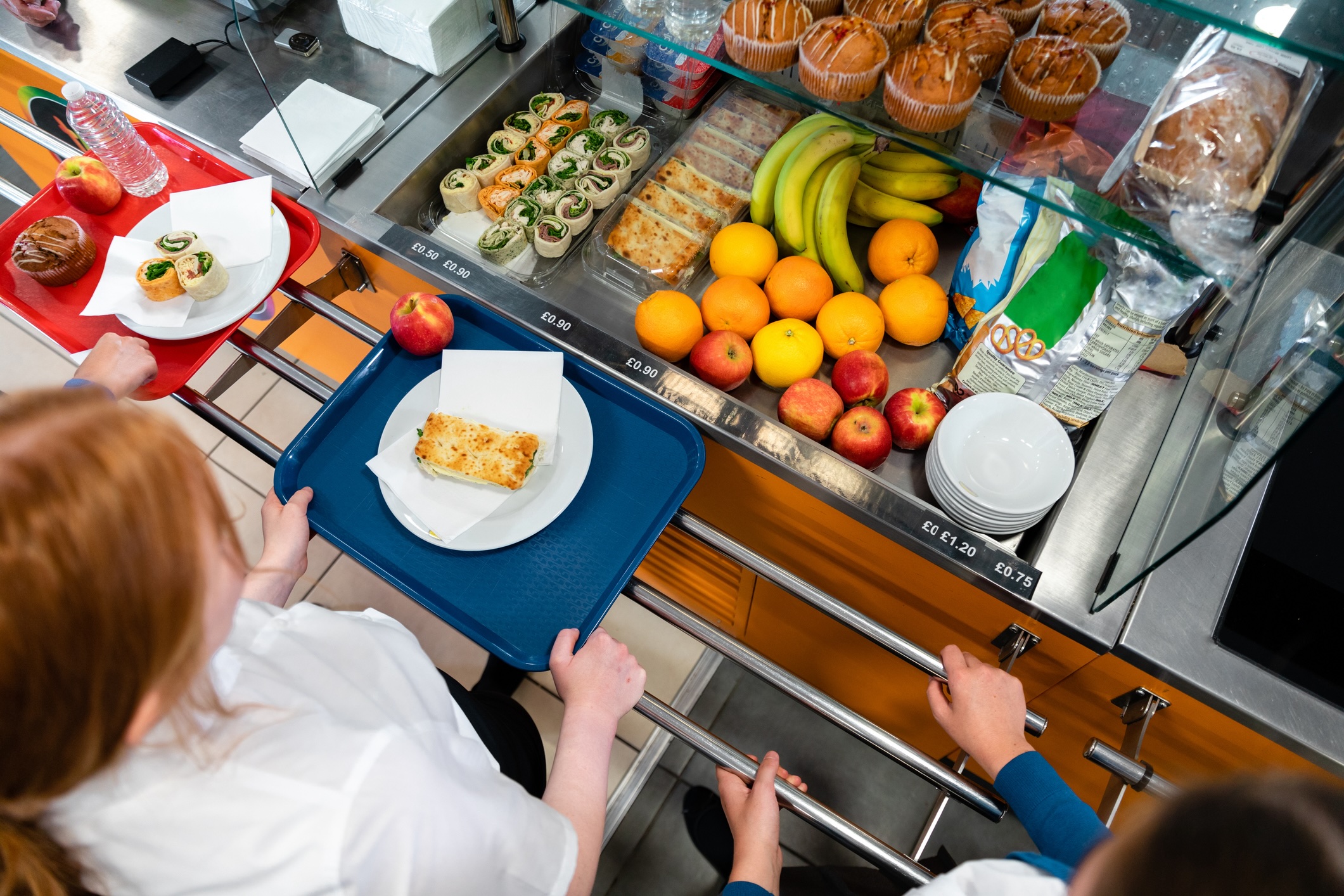
I don’t much miss being a teacher. A pathological dislike of teenage boys, a congenital inability to remember historical facts and an unwillingness to spend my spare moments lesson-planning rather than go to the pub meant that a brief career diversion to pay off my overdraft did not become a lifelong vocation. But there is one thing I do hanker for, that makes me briefly wish I was back in the classroom: the daily delight of school dinners.

After four hours of trying to wrangle the Year 10s into memorising the membership of the League of Nations, sitting down for a steaming hot plate of fish, chips and jam roly-poly was a godsend. It was a little patch of civilisation between shepherding the droogs and staring at PowerPoints. Playing through my daily routine – pushing past the pupils to get the freshest stock, smiling at the dinner ladies to get an extra heap of custard, sitting as far away from a loquacious French master as possible – was almost as delightful as the food.
Yet the meal itself was glorious. Every day I indulged in that limited collection of favourites that ex-pupils up and down the country will recall with fondness, the idiosyncratic dishes that seemingly cannot be found anywhere but a school canteen. From bendy bangers with mash to the iced buns – one of the laziest yet most satisfying puddings one can enjoy – the emphasis was always on comfort. Fast-growing kids needed big portions, stodge and routine. For some, the school lunch will be the heartiest meal they receive, an opportunity to sit down properly at mealtimes and not scoff before the telly.
But, just to prove there is nothing that this abysmal government considers sacred, we learned yesterday that Labour is launching a war on the school dinner. Ministers unveiled new food standards for all schools in England, which will ban deep-fried foods and mandate that all desserts contain at least 50 per cent fruit. It’s less Goodbye Mr Chips, more goodbye fish and chips. Out goes steamed sponge and custard, in comes the fruit salad.
The plans – which are expected to come into force in September next year – are being sold as the biggest overhaul of school dinners in over a decade, the greatest landmark in educational culinary history since Jamie Oliver’s war against Turkey Twizzlers. It has been spearheaded by Henry Dimbleby and John Vincent, co-founders of Leon. But just as their over-priced halloumi wraps hit the stumbling block of consumer apathy, so too will their ideas about school dinners.
Christopher Snowdon, occasionally of this parish, has done much to disprove the hysteria about spiking childhood obesity. But even if our little darlings were rapidly becoming larger darlings, taking the fun out of school dinners is no way to solve the problem. Instead, it will make school that little bit more miserable, depriving a generation already screwed by social media, Covid and Italian brainrot of the simple, everyday delights of their predecessors.
Even if our little darlings were rapidly becoming larger darlings, taking the fun out of school dinners is no way to solve the problem
As ever, we should be taking a leaf out of the books of our friends across the Channel. While the first school lunches are thought to have been served in Munich in 1790 by Benjamin Thompson, an American royalist turned physicist and philanthropist, it is the French who have long since perfected the art. Two-hour lunch breaks are designed to let students savour what should be the most important meal of the day. From nursery onwards, school cafeterias provide five-course meals, featuring an appetiser, salad, main course, cheese plate and dessert. Alas, the practice of providing a daily beer, cider or wine allowance – capped at only four glasses a day – was ended by 1981. But that’s still a hearty daily meal.
There are guidelines set by ministers, just as in Britain. But just as crucial as one goes into the meal is what the French ban: vending machines. Unlike in our schools, where lunches are too often topped up by tuck from shops or machines, the French put time and emphasis on lunch to ensure pupils aren’t supplementing their diets with what they can acquire outside the canteen. Balanced meals eaten properly – combined with a more active lifestyle – naturally means French pupils are healthier. Jam roly-poly and chicken nuggets are perfectly fine if pupils aren’t also gorging on crisps, pop and Kit-Kats.
Rather than deprive pupils of traditional staples over lunch, schools should be doing the basics better: stopping kids from gorging themselves on sugary slop between lessons and encouraging them to get off their screens. But the government’s approach seems to be the opposite, thinking that tinkering with menus will counteract increasing online learning and all the sedentary screen-worship that entails.




Comments