I still remember the last Ramadan I spent in Iran. My mother and I wanted to take a walk in the north of Tehran. Because all cafés were closed, we made coffee at home. As we were walking, we saw a young couple running toward us shouting, ‘Gasht is near!’ What is Gasht? It’s the police force of the Islamic Republic, which during Ramadan patrols the city to check whether people are eating in public. We threw our coffee in the bin.
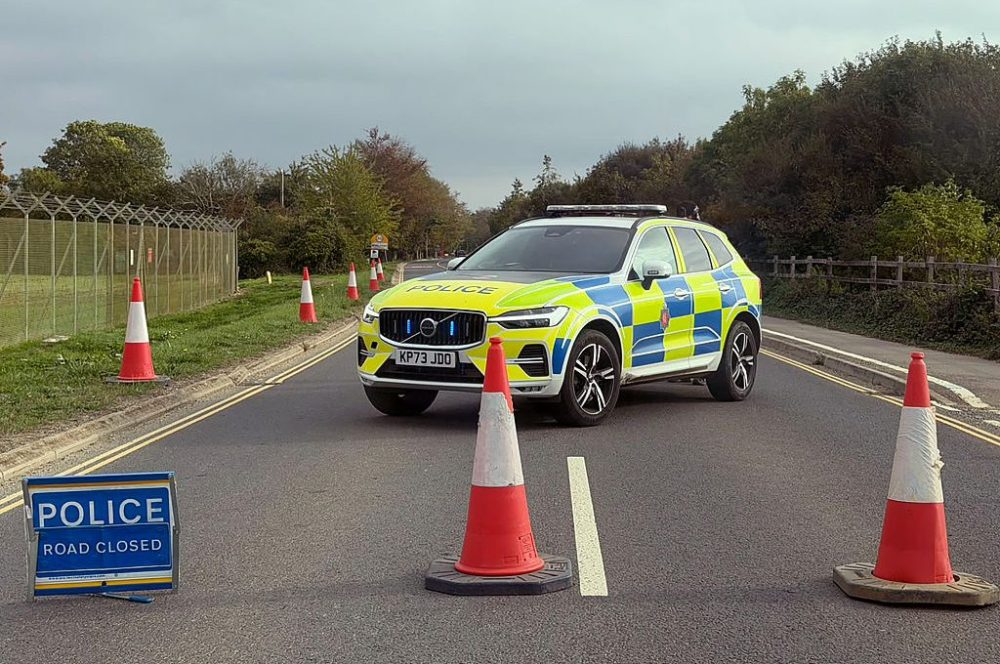
My mother and I were lucky. We weren’t among the 207 people who were flogged in public on charges of not fasting, or among the more than 500 people who were arrested in Shiraz for breaking their fast in public.
Your experience of Ramadan may be different. You may see the lights on Regent Street, notice your colleagues fasting. You’ll likely experience no substantial change to your lifestyle. It passes you by. But for me and for many others who lived in countries ruled by Islamic law without believing in it, Ramadan the worst month of the year. We celebrated Eid not out of religious conviction, but because we were relieved the long month was over.
In Iran, from sunrise to sunset, all restaurants and coffee shops were closed. In schools, you weren’t allowed to eat or drink if you were a girl older than nine or a boy older than 15. Even smoking cigarettes or going to a pool was not allowed during Ramadan. For a month, normal life paused.
Ramadan moves each year, starting 10–12 days earlier because it follows a lunar calendar rather than the Gregorian solar calendar. When it fell in summer in Iran, it was especially harsh, particularly for women wearing a hijab.
The Islamic Republic had its own methods of enforcement. One of my friends worked at a newspaper, and during Ramadan the government fined them. Why? Because they had ordered cold food from a supermarket, and the delivery driver reported that people were eating in the office. A whole apparatus of surveillance to enforce the wonderful and diverse month of Ramadan.
But is it racist to criticise Ramadan? Sadiq Khan has suggested that conservatives would not criticise Jewish or Christian practices in the same way. Yet all the Abrahamic religions have traditions of fasting. In which Christian country are people arrested for breaking the fast during Lent? Does Israel arrest citizens for not fasting during Tisha B’Av or Yom Kippur? This is what many politicians, on the left and the soft right, are reluctant to acknowledge: Islam, in its state-enforced form, is the only religion where fasting becomes a matter of coercion, where non-believers are forced to follow its rules.
Do not expect me to see iftar as a wonderful expression of togetherness
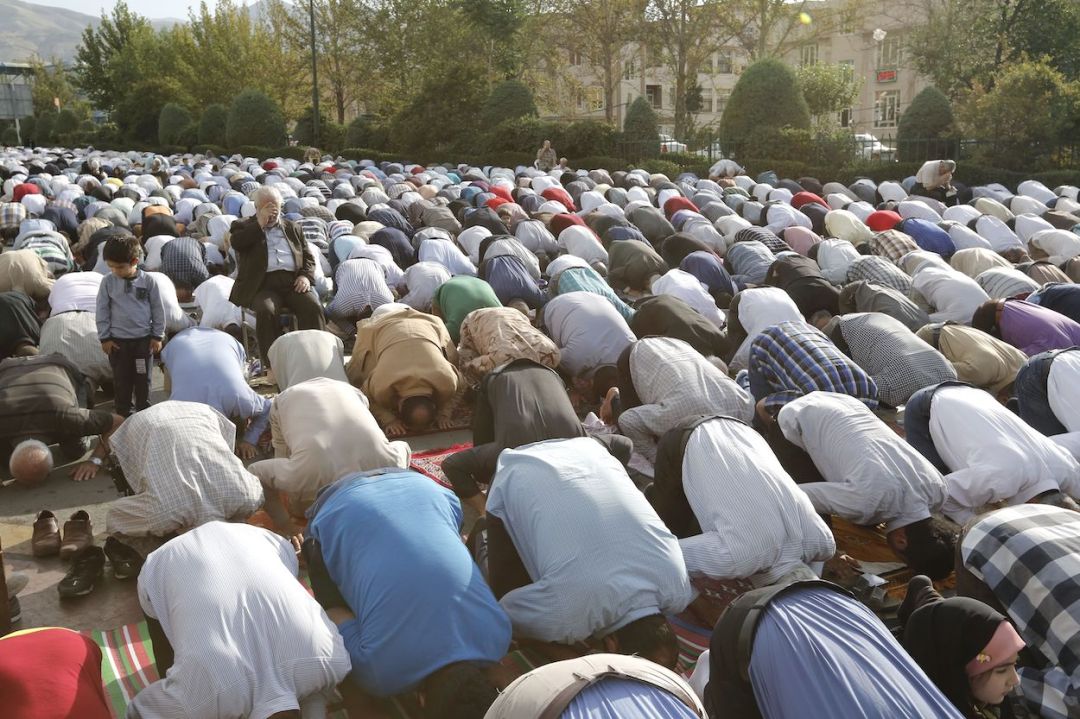
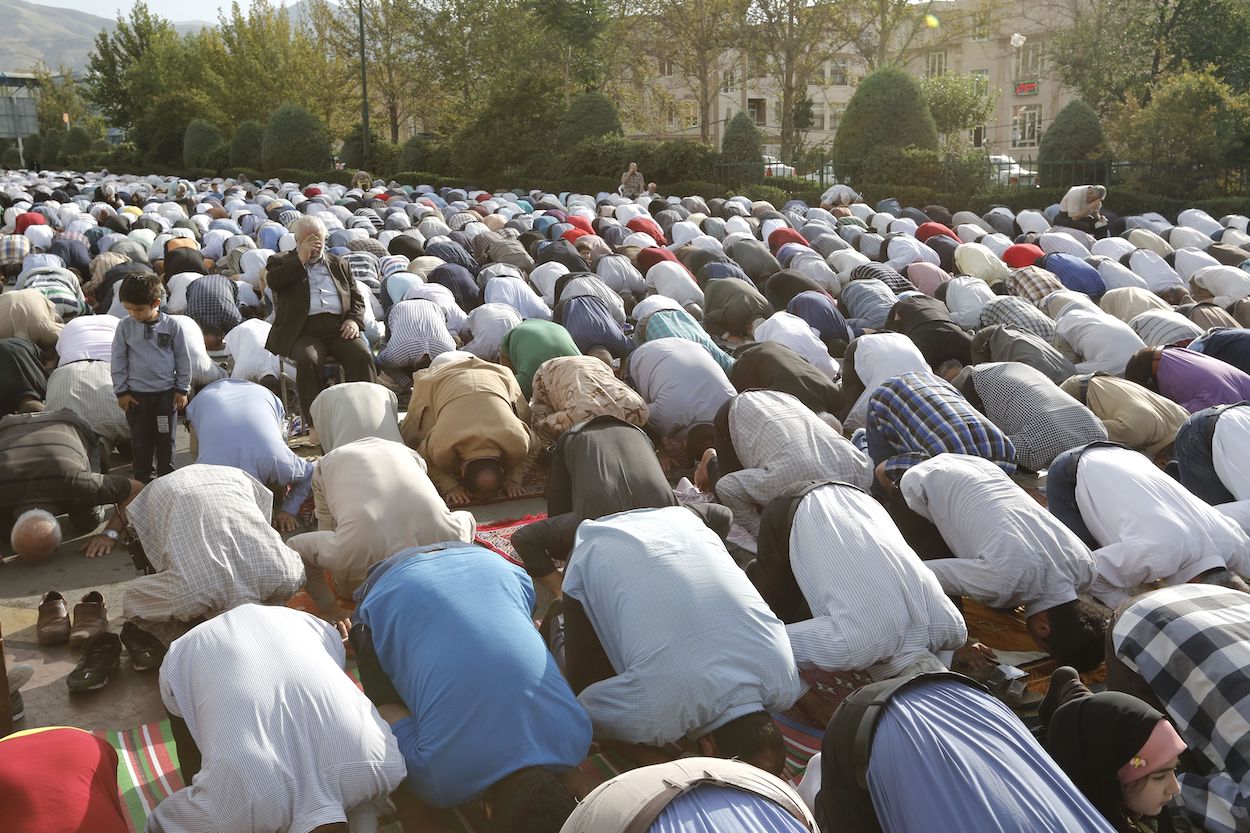
You cannot demand tolerance without offering it. Christian countries often celebrate a diversity of religious holidays – that is a strength of a free society. But what about Islamic countries? You cannot be hostile to other ways of life at home while demanding acceptance. At some point, it is worth asking why the same openness is not reciprocated. Label the critics whatever you want – racist, fascist, nationalist – but you can’t solve the problem until you seriously ask yourself why this reaction only happens to Islamic public prayer and not others.
Progressives want to present a deeply reactionary custom as a symbol of inclusion. Andy Street has said that iftar across the West Midlands brings communities together. But as an ex-Muslim who spent most of my life in Iran, I cannot share that belief. Ramadan made normal life a misery for me and for many others like me. Do not expect me to see iftar as a wonderful expression of togetherness. For millions of people like me, this month meant exclusion from ordinary life. There is nothing wonderful about Ramadan.





Comments