
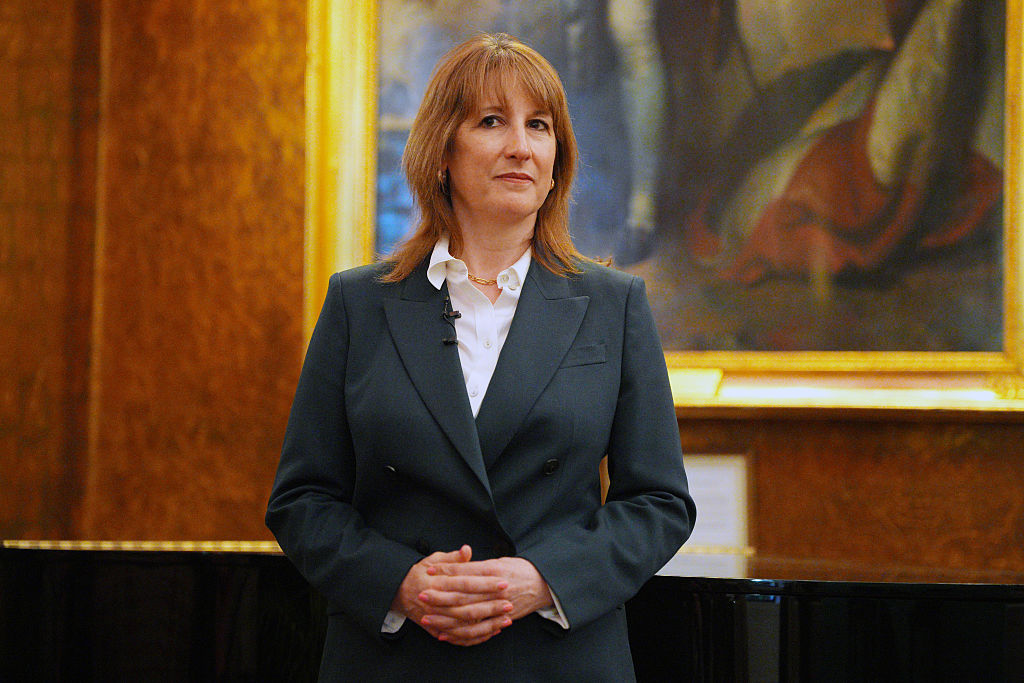
Rachel Reeves may have lost the plot. The Guardian reports that the Chancellor is considering a one-year rent freeze on private-sector flats and houses in England, as fears mount in government about the economic effects of the Iran war. Meanwhile, Angela Rayner, Andy Burnham and the Green party, flanking Reeves and Keir Starmer from the left, risk pushing the Chancellor towards economic madness.
The one-year freeze – which would exempt new-builds – is being debated in the Treasury among other options to control housing costs. But according to the Guardian, it is Reeves’s preferred option.
My view of Reeves has always been that she is not economically illiterate, but politically weak. She understands how this works. A decade ago, she was right to argue Labour should not be the party of welfare dependency. She opposed lifting the two-child cap. At the start of this parliament, she backed modest cuts to disability spending, recognising the trajectory was unsustainable. She grasped the importance of rebuilding fiscal headroom. And on housing she stopped rent controls making their way into the Renters’ Rights Act.
But time and again, politics has got in the way: backbenchers blocking welfare reform, and the Treasury pushing through farm taxes and NI hikes because she lacked the political will or nous to consider and push back against the unintended consequences.
That has to be what has happened here (or I was wrong about Reeves to begin with) because she knows, she must know, that rent controls just don’t work.
Instead, the result will be entirely predictable: a collapse in rental supply as landlords sell up and flee the market; staggering rent hikes when the freeze comes to an end; and trapped tenants because new lease prices will shoot up as landlords attempt to recoup losses from elsewhere.
Worse still, the policy – which is driven by a fear that mortgage rates will increase thanks to Iran-war-induced inflation – could actually make that problem worse. Having gone from expecting multiple interest-rate hikes, market expectations for what the Bank of England will do to address resurgent inflation have calmed a little and mortgage rates that had spiked as a consequence had stopped climbing. It is possible mortgage costs don’t get a lot worse for landlords and they don’t need to pass costs on through increased rents.
But drive landlords out of the market, and suddenly those mortgages look riskier. Riskier = more expensive. The feared prophecy fulfils itself.
The mere reporting that this policy is being considered – which the Treasury has not pushed back on – could be enough to spook landlords who are already tetchy given the Renters’ Rights Act, which comes into force on Friday. As a renter myself, it is tempting to get my tiny violin out and strum out a boohoo tune but you have to remind yourself that whatever we might wish to happen, in housing it is always the renter who gets stung with the costs in the end. Why would this time be any different?
And those costs will be most obvious in constrained supply. When Argentina’s Javier Milei repealed rent controls the supply of properties in Buenos Aires increased by more than 170 per cent. In real terms rents are down 40 per cent from cap-era highs too. In Berlin, the introduction of a rent cap in 2020 saw rental listings collapse almost overnight, only to surge again, at higher prices, once the policy was scrapped.
Thomas Sowell’s Basic Economics sets out a long list of similar consequences:
- Nine years after the end of the second world war, not a single new apartment building had been built in Melbourne, Australia, because of rent control laws there which made such buildings unprofitable.
- After rent control was instituted in Santa Monica, California in 1979, building permits declined to less than one-tenth of what they were just five years earlier.
- During eight years of rent control in Washington during the 1970s, that city’s available rental housing stock declined absolutely, from just over 199,000 units on the market to just under 176,000 units.
- After rent control was introduced in Berkeley, California, the number of private rental housing units available to students at the university there declined by 31 per cent in five years.
And when English rent controls were extended in 1975 Sowell cites the below Times report:
Advertisements for furnished rented accommodation in the London Evening Standard plummeted dramatically in the first week after the Act came into force and are now running at about 75 per cent below last year’s levels.
Seeking to mitigate those effects a tiny bit, new-builds are to be exempted from the freeze. But that exemption is unlikely to achieve much. It certainly won’t get housebuilding going. Labour are miles away from their 1.5 million new homes target and seem to have given up on even attempting to hit it. Instead, like the Tories before them, they will attempt almost anything to improve the housing situation other than actually putting spades in the ground.
The Reeves freeze joins a long list: Help to Buy, the Help to Buy equity loan, mortgage guarantee schemes, shared ownership, the First Homes scheme, Starter Homes, Right to Buy, the Help to Buy ISA, the Lifetime ISA, stamp duty cuts and holidays, and buy-to-let credit-expansion policies. All of which, whether directly intended or not, just ramp up demand while doing next to nothing to resolve the underlying supply problem that is driving the housing crisis. A problem we’re well aware of but for some reason continue to ignore.
The same is true of welfare. Forecast future spending is on a trajectory towards national bankruptcy. And worse: millions risk being locked into dependency rather than contribution.
This politics of state protection and intervention in today’s crisis is what feeds tomorrow’s. Novel virus? Shut the schools and deal with the educational consequences later. Gas-price shock? Pay everyone’s bills and make the spiralling national debt the next generation’s problem. Increased housing costs? End the free market. Never are the underlying problems – and their fatal consequences – addressed.
This is the paradox of today’s Britain. We’re marching down a path with an executioner at its end. We can all see he is there and we all know what will happen when we reach him. All it would take to change course is the stroke of a politician’s pen. But nobody is willing to wield one.




Comments