
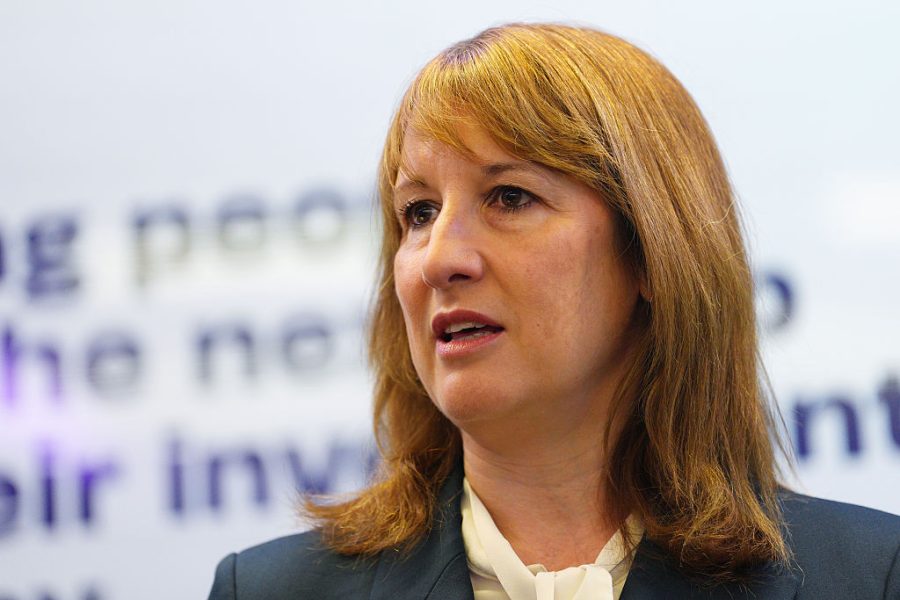
Chancellor Rachel Reeves took office on a pro-growth platform, promising to make Britain the leading economy in the G7. She would turbo-charge investment, remove the restrictions on building, form partnerships with industry to power the industries of the future, and invest directly through her National Wealth Fund. Two years on, she has finally topped a growth chart. Unfortunately, however, it is the wrong one. Britain has the fastest rising taxes in the world, with growth a long way behind.
According to the latest data from the OECD, British taxes on workers are now growing at the fastest rate among its 38 members. It found that the ‘tax wedge’ – that is, the difference between the total amount it cost to employ someone and what they take home in actual cash – rose by 2.45 percentage points in Britain last year. Estonia came next, with an increase of 1.95 per cent, but only two other countries increased it by more than 1 percentage point. In fairness, the total tax on work for this country is below the OECD average, at 32.4 per cent, compared to 35.1 per cent across the group as a whole. But it is closing fast, and on current form within a couple of years we will be right at the top of the charts.
It is not hard to understand why. The OECD identified the huge increase in employers' National Insurance charges, along with frozen thresholds stretching until the end of the decade, as the two main reasons why taxes are rising so quickly. Those were very deliberate decisions Reeves made, and we are now living with the consequences of her choices.
Taxes will inevitably have to rise again in the next Budget
It is going to get worse. Despite a slowing economy and the energy crisis following the war against Iran, Reeves is still spending like crazy. In the last couple of weeks alone she has authorised another £1 billion to deal with the infected blood scandal, £1 billion on the new youth jobs grant, £500 million to fix the NS&I banking mess, £500 million to rejoin the EU's Erasmus Scheme, and £500 million for the SovereignAI Fund. And of course, in the wake of terrible local election results there will almost certainly be some more giveaways to keep the backbenchers quiet for a week or two. Taxes will inevitably have to rise again in the next Budget.
The Chancellor’s fundamental mistake was to believe, encouraged by a handful of left-leaning academics and think tanks, that higher public spending would mean faster growth even if taxes and borrowing had to rise to pay for it. Instead, by destroying incentives, driving away entrepreneurs and investment, and crowding out private spending, it has crushed the economy. The result? We have rapidly rising taxes and zero growth. Still, at least Reeves is at the top of one chart – just not the one she wanted.




Comments