
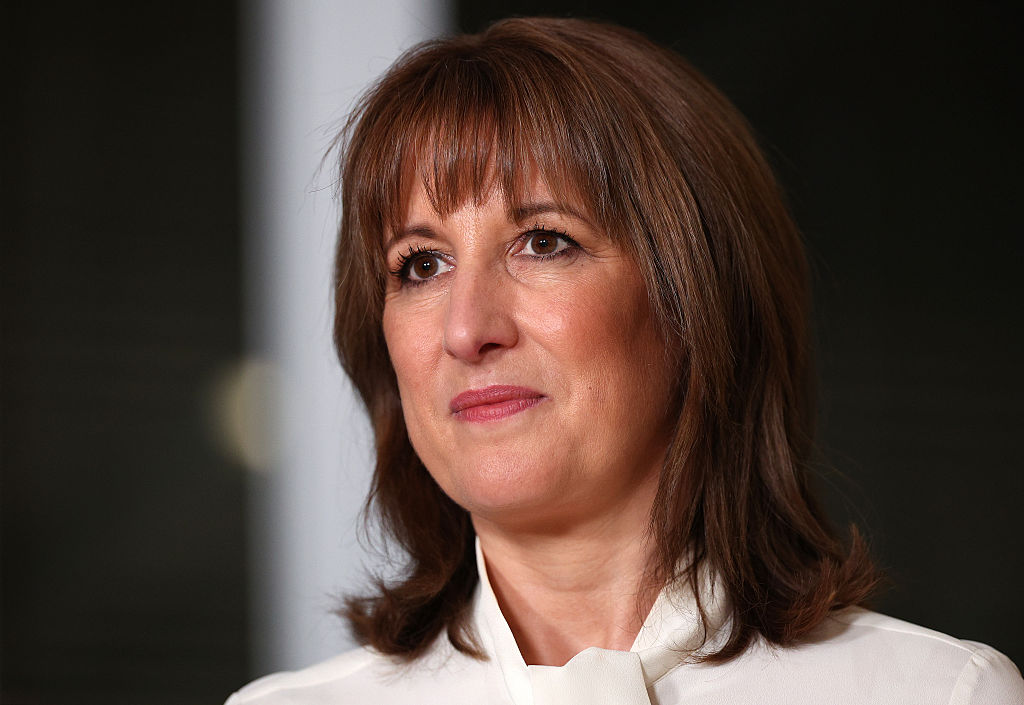
Unemployment has risen again. Figures released by the Office for National Statistics (ONS) show the UK’s unemployment rate rose to 5.1 per cent in October – the highest joblessness rate since 2021. Payrolled employment fell too by 38,000 in a single month, meaning 187,000 jobs have now been lost since last November, in a blow to Rachel Reeves’s bizarre claim that her tax-raising measures are not harming employment.
Vacancies fell too after having crept up slightly in the previous month’s figures – suggesting we may not be at the bottom of this jobs slump yet. Liz McKeown, director of economic statistics at the ONS said, ‘the fall in payroll numbers and increase in unemployment has been seen particularly among some younger age groups.’
It has become increasingly untenable for the Chancellor to continue to deny that both her £25 billion raid on employer National Insurance and the increases in minimum wage are contributing to not only a weakening labour market but an economy where it is becoming tricky for young people to find work. That’s not a healthy place for any society to be. ‘Businesses slammed the brakes on hiring ahead of the budget, and the Chancellor’s measures haven’t tempted them to restart,’ said Richard Carter, head of fixed interest research at Quilter Cheviot.
Meanwhile, wage growth came in higher than economists had expected, though still lower than the previous figures. Overall wage growth dipped to 4.7 per cent from 4.8 per cent – something that will increase the likelihood that the Bank of England will vote to cut interest rates when they meet on Thursday. They will be concerned that wage growth is still relatively strong but if we see inflation fall when those figures are released tomorrow then we can expect a cut.
On wages though there is a clear gap opening up between the private and public sectors, with the ONS pointing out: ‘wage growth slowed further in the private sector, while increasing again in the public sector.’ In fact, private sector employees received an average payrise of 3.9 per cent compared to a whopping 7.6 per cent in the public sector – though that was partly due to government pay rises occurring earlier in the year than they normally do.
With public sector pay and job numbers up while the private sector slumps it’s clear that this government's actions and decisions are embedding a larger state. What’s really worrying though is how those decisions are disproportionately hitting the young – with graduates and school leavers finding themselves locked out of employment. If Labour don’t address that and instead send our young people down the road to welfare, the future of this country will be a very bleak one.



Comments