Donald Trump has so dominated the news over the past decade that it is hard to imagine American politics without him. Yet now we are in the last 27 months of his presidency. And as this year ends and the next approaches, the national conversation turns toward the looming election cycle of 2028 and the vital question of who comes next.
The Democratic nomination seems destined to be a complicated struggle between various factions and candidates. The outgoing Governor of California, Gavin Newsom, is a figure of ridicule yet strangely unsquashable. He remains the betting favorite. Senator Jon Ossoff, this magazine’s last cover star, is a contender. Alexandria Ocasio-Cortez is a telegenic and increasingly influential force – and Kamala Harris just won’t take no for an answer.
The Vice President has done a good job of peeling away from the grubbier aspects of Trumpism
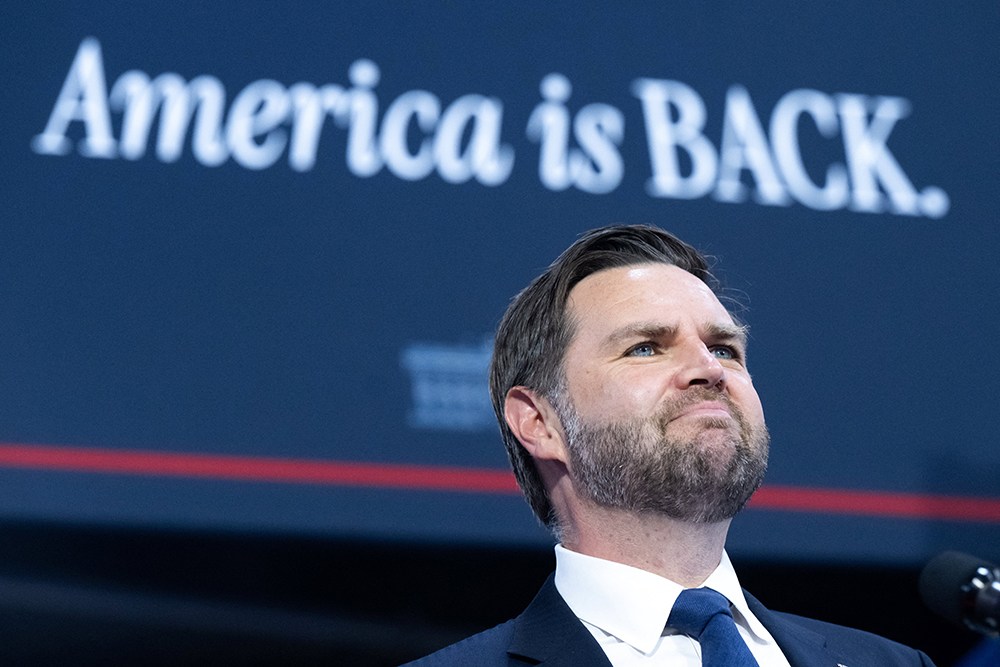
The Republican process looks more straightforward. A lot can change, and will, but for now Vice President J.D. Vance is the frontrunner by some distance. Large parts of the Republican establishment still want Secretary of State Marco Rubio atop the greasy pole, and will spend the coming months arguing that he is the shrewder choice. Senator Ted Cruz will also make his quixotic and surely doomed bid. But Vance has forged the strongest bond with the Republican electorate of any politician apart from Donald Trump. He is fluent in MAGAspeak, which is a surprisingly difficult language for even the most ambitious to master. At numerous rallies over the past month, he has been warmly received at the podium. He is very good at debating on television and appears unflappable even under intense pressure. He possibly spends too much time online and he sometimes over-eggs the humble rube routine. (Last week, he said that the Middle East “is a region of the world made up of countries whose names I couldn’t even pronounce.”)
But he has a canny, almost cynical knack of latching on to fast-developing political stories and riding them for all they’re worth, and for escaping difficult predicaments.
Operation Epic Fury, for instance, put Vance in a seemingly impossible position. An army veteran, he was well-known for opposing mad military adventures. Before and after the Iran war began, he took the lead within the administration in trying to stop the conflict. His negotiation drives failed repeatedly. He was behind the infamous “memorandum of understanding” between Tehran and Washington, which almost instantly fell apart. Yet, far from being seen as calamitous, Vance has succeeded in treading a delicate line. He has shown loyalty to the President and the war effort and said all the right supportive things, while still letting the world know that he is on the more prudent side of peace. In this he neatly reflected the feelings of much of the MAGA base, which feels bitterly betrayed by the war yet has invested too much faith in Trump to desert him now.
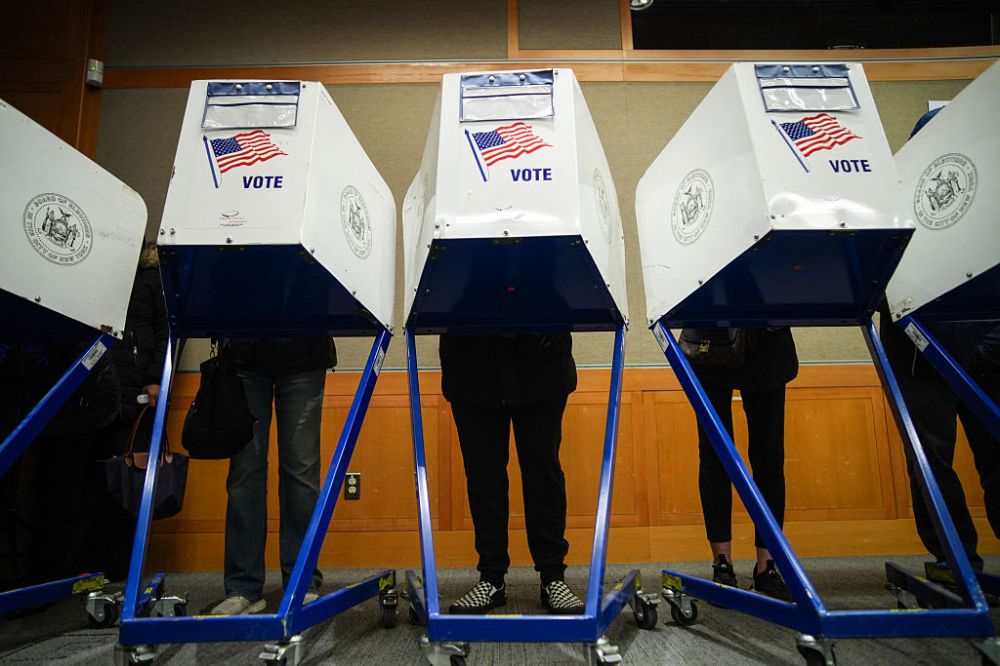
That said, the midterms have shown that Republican support is ebbing in normally deep-red parts of the country. Conservative voters are also uncomfortable with Trump’s close embrace of Big Tech, his avaricious lust for money and the stench of corruption emanating from various parts of his administration. Yet Vance has so far avoided scandalous allegations, and he’s done a good job of peeling himself away from the grubbier aspects of Trumpism in power.
When Trump gave a full-throated endorsement of the embattled Israeli Prime Minister Benjamin Netanyahu, Vance refused to wade into a foreign election. “I endorse American candidates,” he said. And, as Geoffrey Cain notes on page 24, on the same day as Trump presented the CEO of Microsoft with a presidential medal, the Vice President held a press conference in which he lambasted the company for abusing foreign-visa programs. Such subtle moves cast Vance as the real America First patriot, still fighting the good populist fight in an administration that has lost its purpose. Of course, on the wilder fringes of the movement, the Vice President is regarded as a deeply suspicious figure. His relationship with Peter Thiel, the tech billionaire who keeps preaching about theAntichrist, is often mentioned, and his Indian wife does not go down well with the angry ethnonationalists who seem so prominent online. Such attacks will not disqualify him in the eyes of most reasonable people, but Vance’s various balancing acts will become more challenging in the coming months, as Team Trump senses its end approaching and the blame games over the administration’s failings intensify.
The rumors in Washington suggest that Rubio is not planning to challenge Vance in 2028. The two men like each other, by most accounts. And the Secretary of State is thinking instead about 2032, perhaps because he expects the next election will be impossible for the Republican nominee. The gilded age that Trump promised has so far proved illusory for all but the luckiest fraction of the American populace. And, in an unstable world, wrestling with the challenges of AI and doubts as to the future viability of liberal democracy, who knows what further turbulence the next two years will bring?
Trump managed to pull together an extraordinary coalition to win in 2024. Under him, the Republican party gained considerable support among Hispanics, young people and low-income Americans. It’s now losing those voters in droves. Hispanics, in particular, seem to be swinging toward the Democrats in large numbers, and a recent poll suggested Trump’s approval rating among voters under the age of 34 was at minus 44. Vance, or whoever the next Republican nominee may be, will face an extremely difficult task to win them back ahead of Tuesday, November 7, 2028. But it would be a mistake to put anything past a self-identified hillbilly from Ohio who’s already ascended to the vice presidency.




Comments