
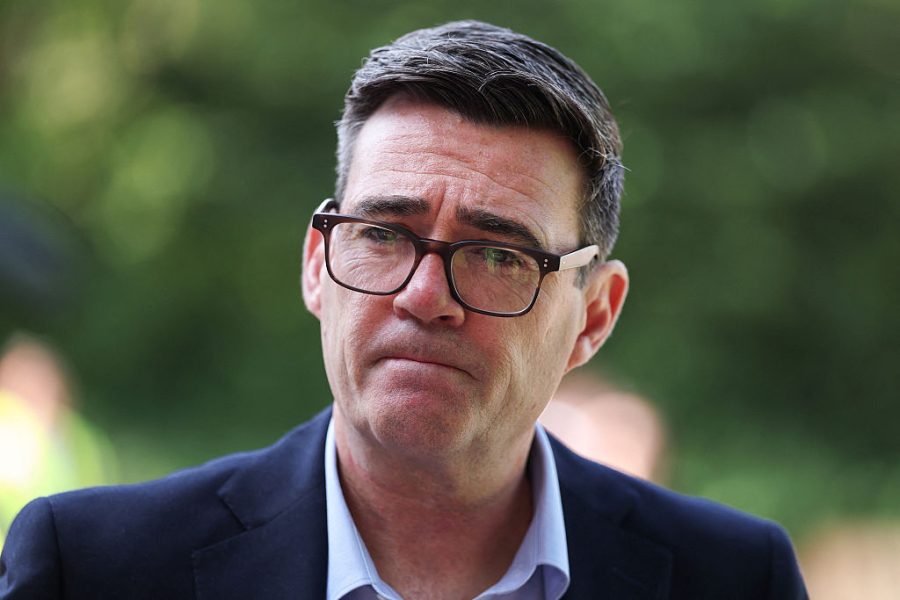
Andy Burnham has made it clear that he doesn’t much like free markets. And they are making it equally clear that they don’t much like him, either. Our new PM has spent every day this week announcing a new initiative to bring down the cost of living. But it has all been spoiled by the galloping price of oil. His £2 bus fares might soon come in handy – for motorists who would not normally dream of taking the bus.
Yesterday, Brent Crude reached $100 (£75) a barrel, returning to the levels last seen in May. The ceasefire between Iran and the US, which had brought oil down to $70 (£53), is well and truly over. With Donald Trump promising the biggest strikes yet in his war with Iran, it is quite possible that oil will go on to breach the peak of $120 (£90) it reached in the spring.
Burnham, needless to say, won’t see any of this as his fault, and of course it isn’t. He hasn’t been rattling sabres at Iran, and he has only been in the job for four days. But that will count for little if households reach the next election feeling no better off than they are now.
When you have made your main pitch the cost of living, results matter
When you have made your main pitch the cost of living, results matter. Who in politics cuts their opponents a bit of slack when they can see they are victims of circumstances beyond their control? The Conservatives weren’t to blame for Covid, either, but that didn’t stop Labour mercilessly blaming them for every single piece of the economic fallout from the pandemic. By the same token, Burnham is going to find himself on the back foot if inflation – which fell unexpectedly low this week – starts to rebound.
What is so worrying about this week’s surge in the oil price is that it has been sparked by attacks by Houthis on tankers in the Red Sea. The world was just about getting used to the Strait of Hormuz being compromised, preventing shipping from entering and exiting the Gulf. Since the beginning of the Iran war, Saudi Arabia has been redirecting its oil exports via existing pipelines to its Red Sea coast. Every day, 3.6 million barrels have been exported in this way. But tankers are now no longer safe in the Red Sea either. Moreover, Europe relies heavily on the Red Sea and Suez Canal for the import of other goods. The alternative route via the Cape of Good Hope takes a typical container ship an extra nine days.
Another oil shock will increase pressure on Burnham to approve new drilling in the North Sea. Much as Ed Miliband might like to claim that it will make no difference to UK consumers because the oil will just be sold ‘at the global price’, any extra production in Europe is going to help alleviate the upwards pressure on oil prices. Moreover, it will help to bring in new tax revenues.
As for North Sea gas, that will have a more significant impact on prices for UK consumers because wholesale gas prices are highly regionalised thanks to the greater difficulty and expense of transporting it. Wholesale gas prices in Europe are four times what they are in the US, which has pursued an unashamed policy of energy security through exploitation of shale gas reserves – and has done so for the past two decades under presidents of both colours.
On Monday, Burnham appointed an energy secretary, Miatta Fahnbulleh, who is now keener on banning North Sea oil and gas licences than her predecessor was. Burnham might find himself having to overrule her if he is to have any hope of keeping his cost of living drive on the road. The case for more drilling has just become even more compelling.




Comments