Next door to Jeremy Clarkson’s farm, behind spiked steel fencing and overlooked by edge-of-town bungalows, are the grounds of my daughter’s football team, the Chipping Norton Swifts Under-15 Girls.

On cold, leaden Saturdays, I stand and watch. The clubhouse does cups of instant coffee for a pound but they take only cash. I don’t bring it because the urge to drink the coffee has never yet found me. What does find me, as I watch the girls’ match, is the urge to play. To run the length of the pitch and make the sliding tackle that stops a goal; to open up the midfield with a perfectly weighted pass; to make an attack of sudden, liquid grace that weaves past three defenders and brings the goalie charging out towards me – before selflessly knocking the ball across for a team-mate to tap in. Such, such were the joys.
Except that I wasn’t any good. I had no happy childhood on the echoing green. My parents didn’t play sport – didn’t approve of me playing it – so I never learned. I could join in with a kickabout at school but no one in their right mind would pass to me. If the ball ever did come to my feet I kicked it away immediately.
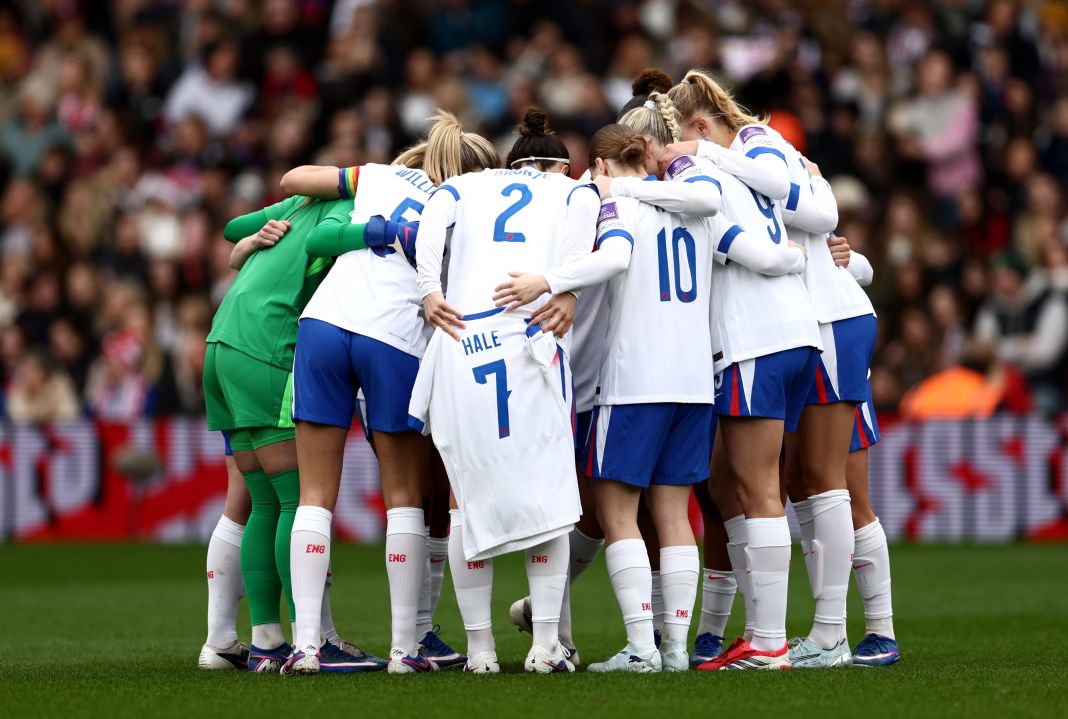
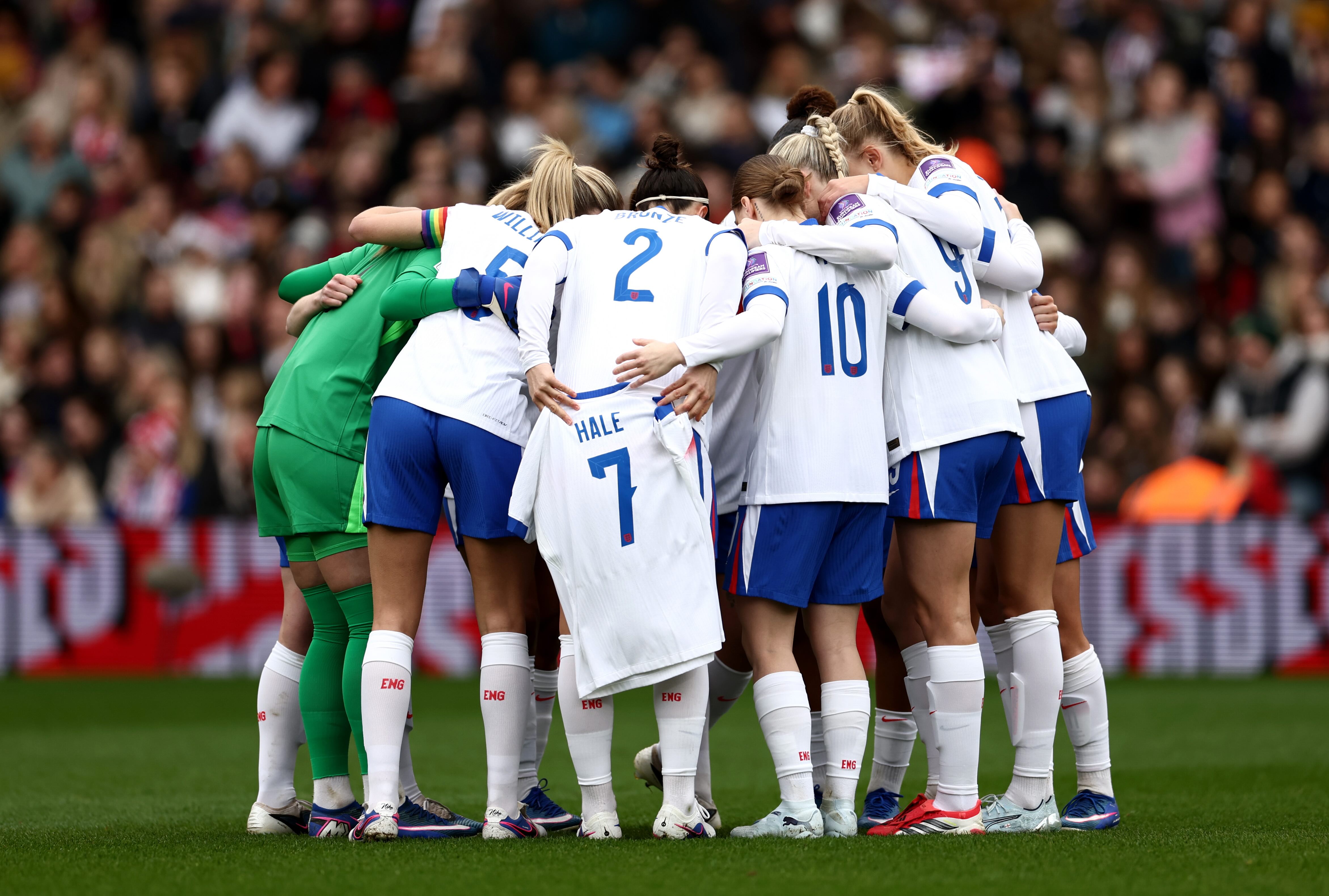
Which is why it feels so poignant to watch my daughter play now. She (unlike me) hasn’t been coached to feel fear of the ball. She’s grown up in the glow of the England Lionesses and the TV glamour of Ted Lasso whose fourth series will focus on the Beautiful Women’s Game. In other words, her childhood has been spent on a pitch which for years would have been cordoned off to women. Which, indeed, was cordoned off to me.
My own childhood experience was of falling in Tarmac playgrounds, sprinkled with enough gravel to work into grazed knees. ‘Druin is afraid of the big ball,’ read a report from my primary reception class – one which I remember because my late mother, a woman whose many fine qualities sat alongside a snobbish distaste for team sport, would quote it with proud amusement. By the time I got to the cold playing fields of my secondary, where we were made to assemble in our thin shorts, nobody showed any interest in teaching sports to a kid with no experience, no talent and no appetite. PE teachers, in their warm tracksuits, watched us shiver. If they noticed the kids who weren’t any good, it seemed it was only to relish seeing them flinch.
My own childhood experience was of falling in Tarmac playgrounds, sprinkled with enough gravel to work into grazed knees
Eventually, I fell in love with sport – with rowing and with boxing. Both were used to welcoming adult novices, both had coaches who noticed who you were and showed you who you could be. In my 20s I competed at a decent level and experienced what Evelyn Waugh gives the middle-aged Guy Crouchback in his Sword of Honour trilogy when Crouchback joins the military: a belatedly happy adolescence.
I tried to indoctrinate my son into sport earlier, teaching him to swim or ‘dunk the chunk’ as his aunt termed it not long after he was born. After some natural terror, he found a natural joy. I remember an instructor yelling at him when he was eight or nine to stay above the water and listen to her. Swimming off the Italian coast in his teens, he spurned a snorkel but spent hours diving down amongst the fish, as comfortable beneath the waves as I was when I admired them from a beachfront restaurant. A fine sight, seeing anyone take joy in physical grace; finer still, seeing it in your son.
My daughter benefited from going to football lessons with him when they were small, and from the experience – sibling rivalry is fiercer by affection – of competing with a brother three years older. So now I watch her, remembering red-faced my own childhood deficiencies. The shame of being the boy who is afraid of the big ball will never cease being part of me. But nor will pride in my daughter on the darkening green who calls for the ball.



Comments