
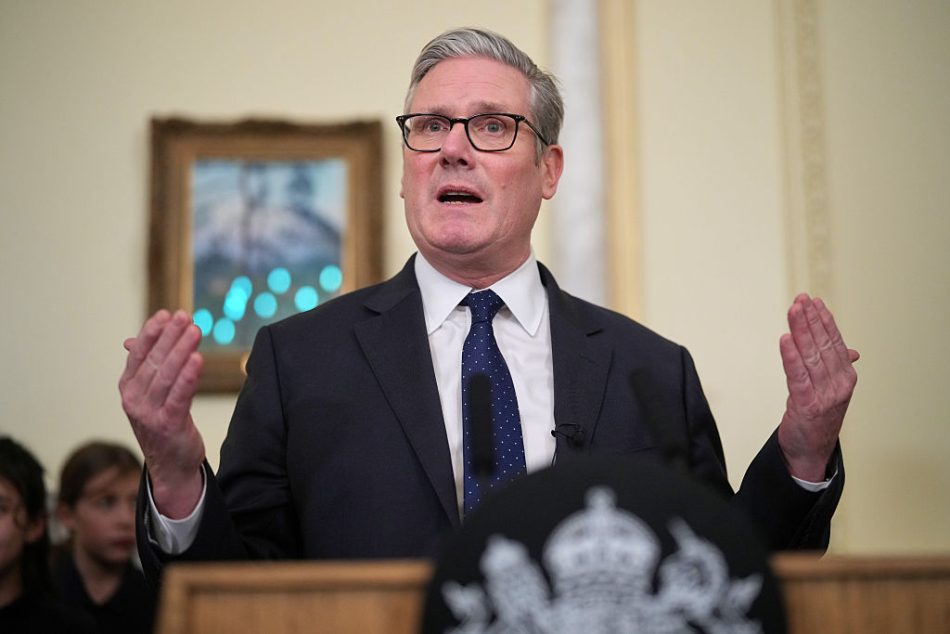
This evening, Downing Street has announced a major overhaul of the ‘lobby’ briefing system. Currently, accredited political reporters are invited to twice-daily briefings with No. 10 spokesmen. But Tim Allan – the newly-appointed executive communications director – wants to change all that. He plans to scrap afternoon briefings and host ‘occasional’ morning press conferences in place of morning briefings. ‘Content creators’ are to be invited along too. Allan claims these changes will ‘better serve journalists and to better inform the public about government policies.’
Naturally, most lobby journalists disagree.The current and outgoing chairmen of the parliamentary press gallery have declared that they are ‘furious’ at the changes, unceremoniously announced, without consultation, just before the Christmas recess. In a statement, David Hughes and Lizzy Buchan pointed out that ‘Downing Street has promised more ministerial press conferences – but they will obviously control the timetable for those and will no doubt seek to choose who they take questions from.’ Such questioners are usually chosen well in advance, in contrast to lobby briefings which offer every journalist an equal chance to probe No. 10.
The lobby is regarded as less of an influence than it once was.
So, what is Keir Starmer’s team thinking? They are concerned that their message to the public is not currently being heard. Allan is one of those who has been pushing the ever-expanding New Media Unit, which aims to meet voters where they are in 2025: increasingly, online. It follows that briefings should therefore be opened up to influencers who can help ‘micro-target’ government messaging. The lobby, by extension, is regarded as less of an influence than it once was. Some of Starmer’s allies regard it with disdain, complaining that journalists are obsessed by gossip and hounding ministers from office. Curbing opportunities for interrogation therefore makes sense.
Complaints about political journalists are nothing new in Whitehall. The last time that Downing Street declared ‘war on the lobby’ was under Boris Johnson in early 2020, when selected journalists were banned from briefings. Back then, Labour was happy to pose as the champions of press freedom. ‘Those gaining access to such important information should not be cherry-picked by No 10’, said Tracy Brabin, the-then Shadow Culture Secretary. Eighteen months into this embattled government, the mood has clearly changed. It fits with a wider authoritarian bent too, with military chiefs now gagged, ID cards adopted and jury trials scrapped.
Some of what Allan is proposing seems sensible. He is right to call for more specialist reporters and offer them additional background briefings. The expansion of new media means there is a decent case for content creators to attend lobby briefings, with the likes of Guido Fawkes and GB News obtaining their own accreditation in recent years. But pretending that a hand-picked ministerial press conference offers the same level of transparency as the existing set-up is clearly disingenuous.
Were today’s changes to be announced at the beginning of an administration, they might have been seen as a sign of strength and wisdom. Yet with Starmer’s polling at record lows, they smack of deflection and shooting the messenger. The government’s communications might be poor – but much of their policy offer has been equally unsound. Curbing access for political journalists is unlikely to end Starmer’s woes – nor win back a public clearly souring on him either.



Comments