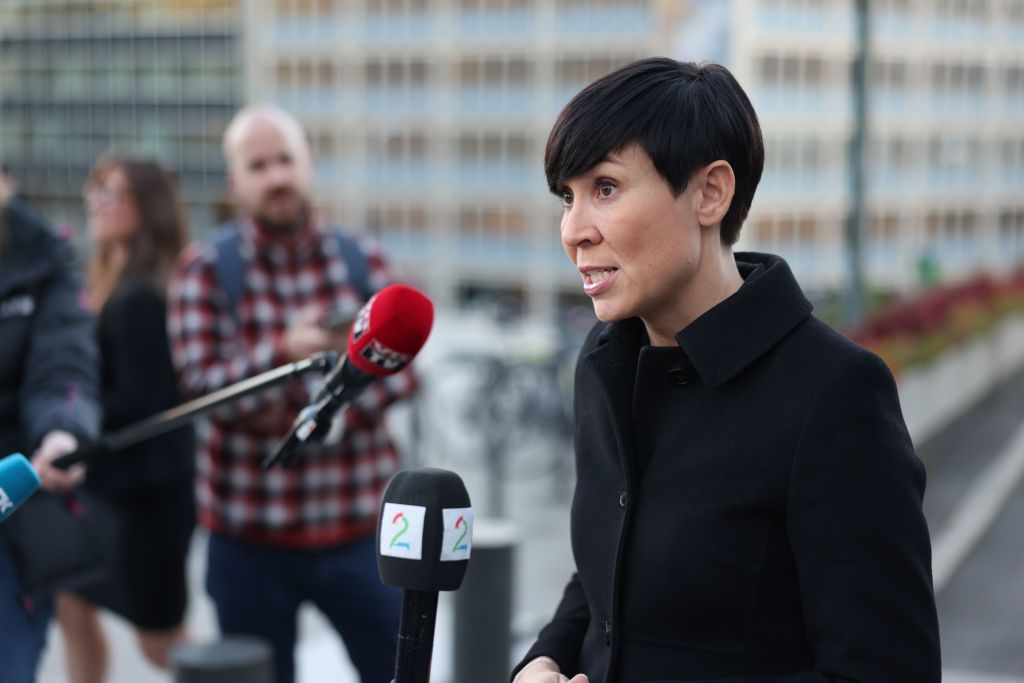
This weekend in Oslo politicians and activists from Norway’s conservative party, Høyre, will meet to confirm their new leader, Ine Eriksen Søreide. This is not just a vote to further the prospects of the next generation of centre-right leaders but – due to a rare alignment of domestic and geopolitical conditions – the potential starting point for a renewed push towards Norway joining the European Union (EU). Formerly Norway’s minister of foreign affairs, Søreide is a committed Europhile. She has been unambiguous on EU membership, saying Høyre is ‘clearly a yes party’.
It is perhaps just a peculiar coincidence that has left several North Sea powers outside the EU. Before the UK’s 2016 vote to leave the European Union, Greenland voted to leave the EU’s predecessor, the European Economic Community (EEC), in 1982 by 53 per cent. Meanwhile, Iceland – along with Norway – never joined the bloc.
Norway has held two referendums on EU membership, rejecting accession in both 1972 and 1994. In the latter vote, 52.2 per cent opposed membership on a turnout of nearly 89 per cent. Fisheries, agriculture and control over oil and gas revenues dominated the debate. Instead of joining, Norway deepened its participation in the single market through the European Economic Area (EEA), having already co-founded the European Free Trade Association (EFTA) as an alternative to the EEC.
The return of hard power politics has forced medium-sized states to reassess their place in the world
Through the 1990s and 2000s, this arrangement appeared vindicated. Norway entered a ‘golden era’ of rising living standards while the EU grappled with successive crises – the financial crash, the eurozone debt crisis and Brexit. Opinion polls consistently showed a majority against membership.
That has begun to change since Russia’s full-scale invasion of Ukraine in 2022. The gap between the ‘yes’ and ‘no’ camps has narrowed steadily. One poll showed support for EU membership rising from 27 per cent in 2023 to 41 per cent in 2025. Concerns about Norway’s current relationship with the EU intensified further last November, when Brussels imposed safeguard measures on imports of certain ferroalloys – including against Norway, which sits outside the customs union. The decision was controversial; Norway accounts for around 40 per cent of the EU’s ferroalloy imports, making the sector economically and politically significant. This raised a blunt question: if Norway is already bound by EU rules, why not have a seat at the table?
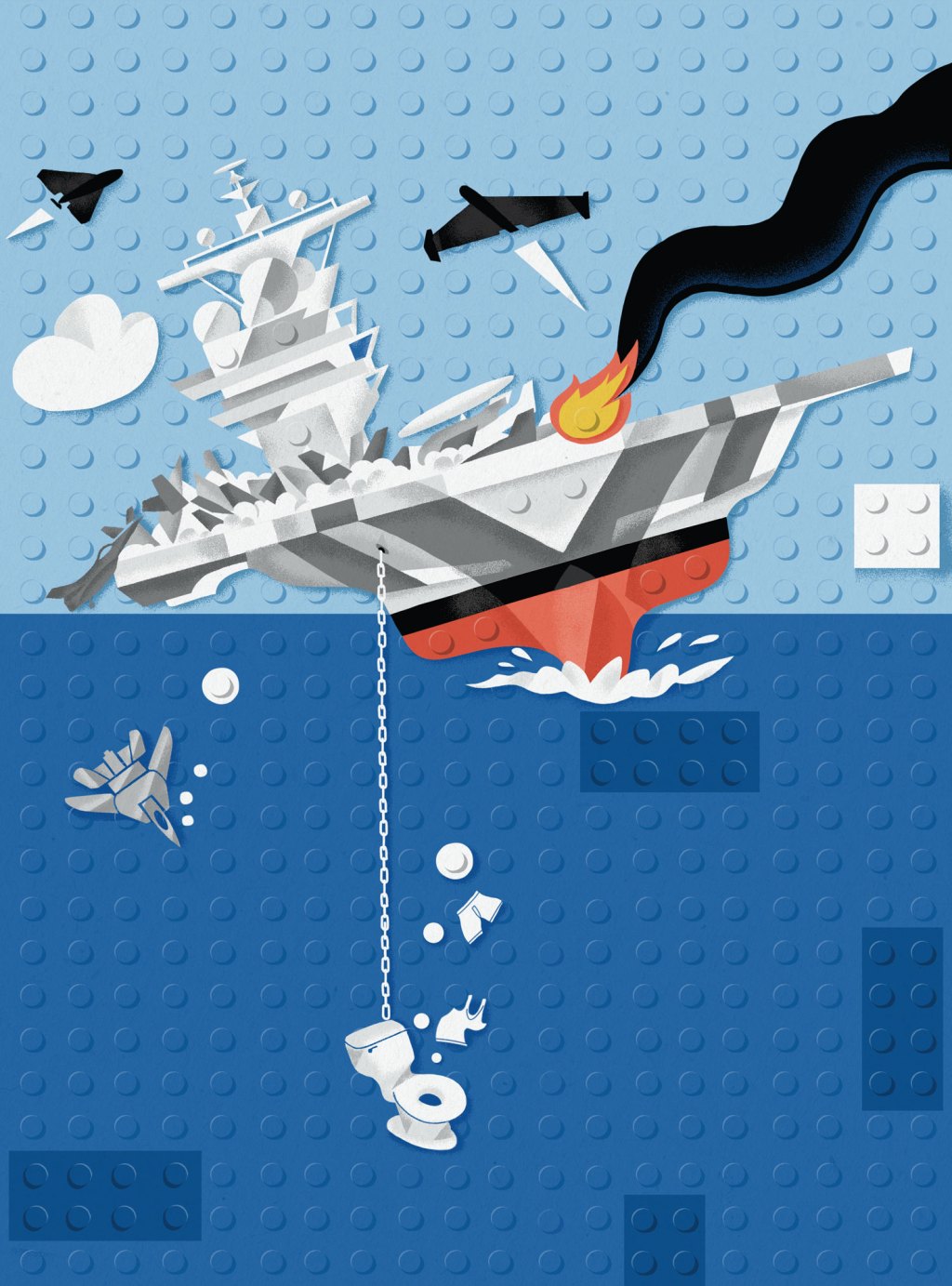
Norway’s ambivalence towards EU membership is often viewed through the lens of its history. Long unions with Denmark and later Sweden left a deep sensitivity about sovereignty, making any new ‘union’ a hard sell. Despite backing EU entry in both previous referendums, the governing centre-left Labour party, led by Prime Minister Jonas Gahr Støre, is now firmly opposed.
Støre won re-election in September, seemingly freezing the debate. But he governs with a minority, and several parties across the spectrum support the principle of EU membership, including the Liberals, the Greens – and Høyre. Støre’s re-election also prompted the departure of Høyre’s leader, former prime minister Erna Solberg, clearing the path for Søreide’s ascent.
Søreide’s leadership bid is uncontested and will almost certainly be confirmed. Her arrival completes a set of conditions increasingly favourable to the pro-EU camp: slow but steady demographic change, a credible mainstream advocate plus a series of external shocks, from Ukraine to Donald Trump, that have reframed the costs of standing outside the bloc.
Søreide happened to be in Washington D.C. last month as part of a visit by the Norwegian parliament’s committee on foreign affairs – which she chairs – the same week that President Trump took to the stage in Davos to insist he wouldn’t use force to seize Greenland. Søreide denounced Trump’s remarks, saying they had ‘no place in the alliance’. Trump’s posturing may yet prove to be the external shock that pushes Oslo towards a closer relationship with Brussels.
The US president has already had an effect in Iceland, where the government had committed to holding a referendum on EU membership by 2027. Its foreign minister has suggested the timeline could be accelerated in light of global developments. ‘We should look at what is best suited to strengthening our defences and security,’ she said, referencing Trump’s threats towards Greenland. Polls show a slim majority of Icelanders now support accession.
In the early 1990s, some believed Sweden’s EU entry would tip Norwegian opinion in favour of joining. Iceland’s decision may carry less emotional weight, but Søreide has argued that Norway would be ‘in a completely different situation’ if its EFTA partner joined the EU. It would certainly increase momentum around EU enlargement and re-open debates about unanimity.
As Canadian prime minister Mark Carney put it in his own Davos address, ‘middle powers must act together – because if we’re not at the table, we’re on the menu.’ The return of hard power politics has forced medium-sized states to reassess their place in the world. While EU membership remains a hard sell in Norway and no referendum is imminent, for the first time in decades – and in an era of renewed great-power competition – the question is no longer academic. Just as Putin’s aggression expanded Nato to include Sweden and Finland, Trump’s Arctic brinkmanship may strengthen the EU from within.


Comments