
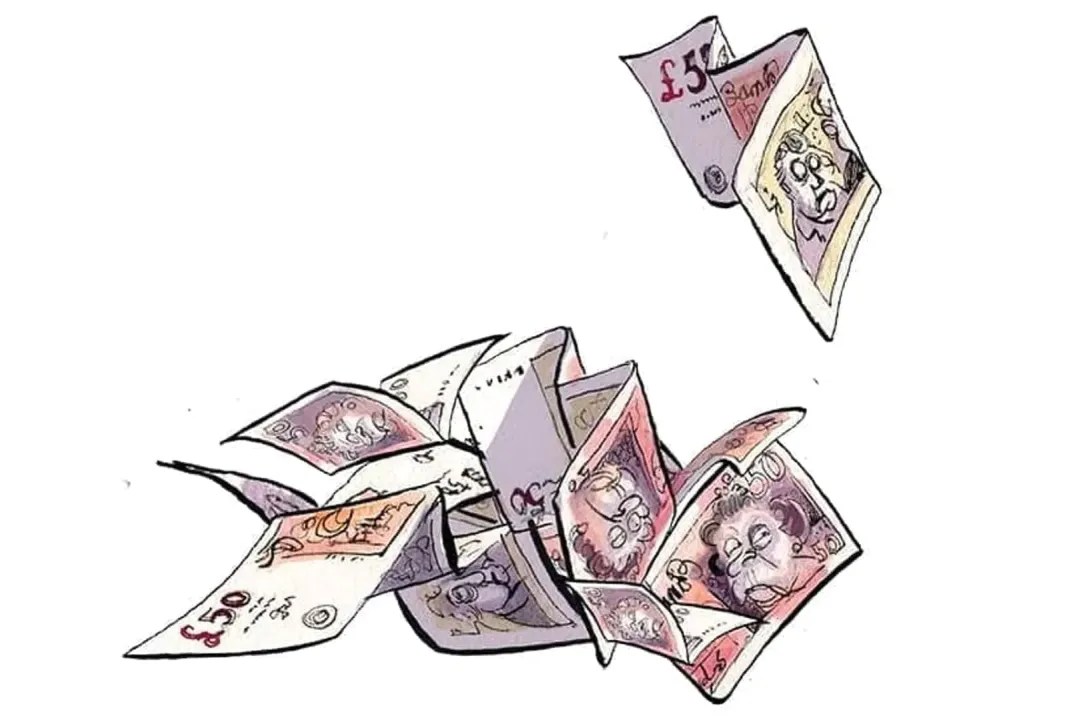
Britain seems to be turning a corner. Figures just released by the Office for National Statistics show the rate of inflation fell to 3 per cent in January, having risen to 3.4 per cent at the end of last year.
This downward trend is in line with forecasts from the Bank of England which expect inflation to hit its 2 per cent target in April. If that trend holds true, then the slowdown in prices won’t just be welcomed by struggling shoppers. This government – whichever ‘phase’ it is now in – has pegged its success and failure to addressing the cost-of-living crisis.
Structurally the things that make Britain expensive – namely energy and labour costs – are not about to drastically reduce
There will be relief too in Threadneedle Street where the Bank of England’s decisions of the past few years have contributed to allowing inflation to run far hotter than it did in other countries.
The main contributors to today’s fall came from transport and food. That was thanks to petrol and diesel prices dropping between December and January as well as falling air fares. High food prices in January last year, as well as the impact of VAT being slapped on private school fees, have now worked their way out of the inflation series too, which has also helped drop the rate. It wasn’t all good news though with prices rising in hotels and restaurants.
Significantly, falling inflation will translate into lower borrowing costs for the government as gilt yields fall (yields drop as the value of bonds improve). They are already down significantly compared with a year ago thanks to the market predicting that inflation would fall. For the Chancellor, it means billions of her fiscal headroom has been secured. That said, we still have a ‘moron premium’ compared with the rest of G7 thanks to our continued political instability, as you can see in the below graph.
Mortgage holders should see a benefit to these falling borrowing costs too with the market already banking on an 80 per cent chance of a rate cut when the Bank of England’s rate setters next meet in a month’s time. That probability will likely increase after today’s inflation figures. Elsewhere, yesterday’s poor labour market figures, which saw unemployment continue to creep up and wage growth easing, make it easier for the Bank to cut rates further too.
The government, and the Chancellor, deserve some credit for falling inflation – having previously been partly responsible for pushing it up (via minimum wage, NI and private school VAT among other things). It cannot be ignored that Rachel Reeves’s second Budget did contain measures on regulated prices like energy and tickets that are having a noticeable impact on CPI. But questions are now being asked about how long this price damping trick will work.
If Reeves and Starmer are right, then longer-term expectations of inflation – both within households and businesses – drop as people are reassured and wage demands reduce, suggesting we’ll stay at the inflation target for a decent period. But there’s good reason to doubt this outcome too.
Structurally the things that make Britain expensive – namely energy and labour costs – are not about to drastically reduce. And so it may be that the inflation-busting measures Reeves announced in her Budget had a temporary effect. Then, come next November, price rises start accelerating again and so Reeves – now fully committed to cutting the cost of living – has to pour billions more into again holding regulated prices down. The trick then looks unsustainable, unaffordable, and could lose its impact on inflation expectations. If that happens, long-term low inflation could really become a thing of the past.





Comments