On the one hand, we should all have James Blunt’s problems. The man has sold 25 million records. He’s loaded, is widely lauded as the Oscar Wilde of X, and enjoyed a rich and varied romantic life before settling into marriage and fatherhood in a mansion in Ibiza. As a scion of the Blount (with an ‘o’) clan, one of England’s most distinguished military families, he served with distinction as a British Army Captain; Bl(o)unt, the legend runs, more or less singlehandedly prevented World War III by refusing a US order to engage with Russian troops at Pristina airport in the aftermath of the conflict in Kosovo.
During his recent appearance on The Celebrity Traitors, Blunt self-selected as the Good Soldier, running around in a stripy headband and retro tracksuit, each hot hunch leading headlong into catastrophe. You wouldn’t follow him blindly into battle any more, perhaps, but his displays of vulnerability and old-school morality were endearing.
By rights, the world should be crying out for a new James Blunt album. But here’s where the story turns sour. Ever since emerging in 2004 with his soppy but hugely successful signature tune, ‘You’re Beautiful’, Blunt has (not entirely fairly) become a byword for all that is bland and anaemic in music. The sorry tale of Damon Albarn refusing to pose for a group photo with his fellow acts on Later… with Jools Holland until Blunt was removed from the building might say a lot more about Albarn than it does Blunt, but it serves to highlight the latter’s unhappy status as the industry’s posh pariah.
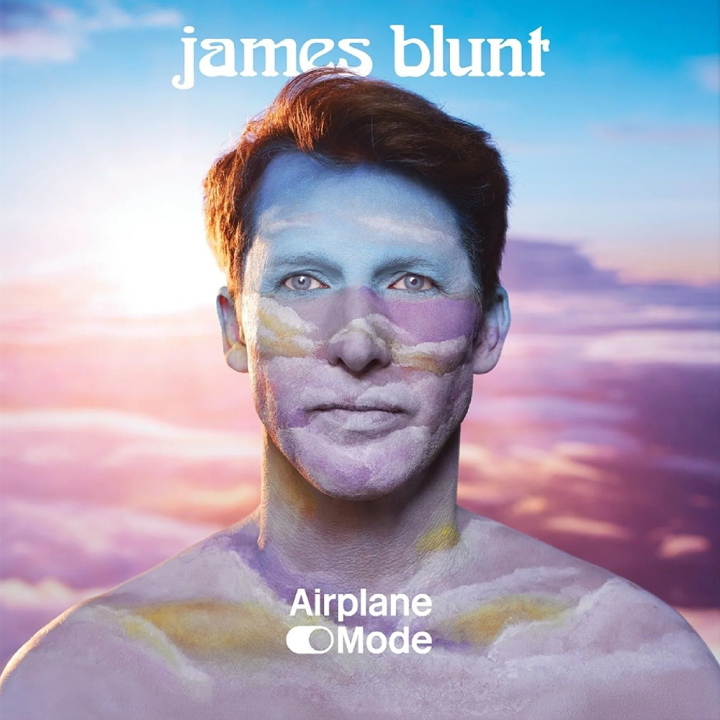
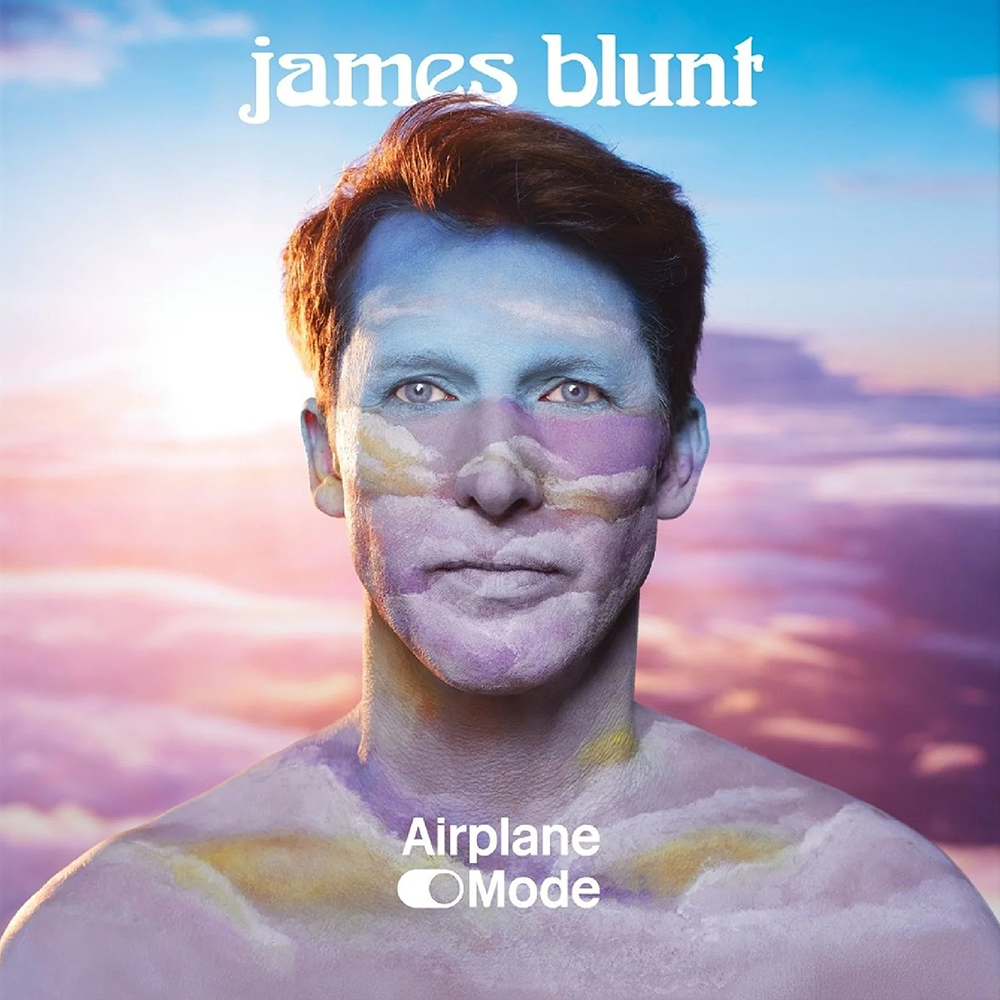
Blunt not unreasonably craves a degree of critical respect, but he doesn’t make it easy for us. Airplane Mode, his eighth album, is not a truly terrible record but it’s a long way from being a great one, hamstrung as it is by an innate tepidity which rather mocks Blunt’s account of it being a raw cri de coeur. ‘I need music to express myself,’ he says. ‘On social media, I’m a clown. In the pub, I’m a clown. But music is where I put all the thoughts that I struggle with.’
The music itself, sadly, conveys almost none of this turmoil. Mostly it is the kind of plain, cookie-cutter fare which sounds as though it were composed by songwriting committee. Blunt is one of three or four cowriters on each of the dozen tracks, all of which adhere to familiar structures, unadventurous melodies and rote production. ‘Circles’ and ‘Reason To Die’ palely echo the sluggish stuff Oasis knocked out once the initial adrenalin rush had worn off. ‘Leftover Time’ ticks along pleasantly enough and ‘Oh, Daisy’ has an appealing campfire looseness, but only ‘Modern Love’ comes off as genuinely affecting. Landing somewhere between Harry Styles and Paul McCartney, it communicates the disassociation of modern life, of simultaneously plugging in and zoning out, with real verve.
The album’s more interesting elements – Blunt’s oddly strained officer-class vocals; some of the words – at least gesture towards the more exposed qualities evident in The Celebrity Traitors and those bruising interactions with his peers. Mostly, though, Airplane Mode is a lot less engaging than the man who made it.
Airplane Mode is a lot less engaging than the man who made it
During the first half of the 1990s, Boston’s Buffalo Tom were briefly swept into the slipstream of the grunge wave despite never really swimming in the same waters. They are a power trio fronted by Bill Janovitz’s soulful rasp, and the wide open-hearted songs on their two best albums, Let Me Come Over and Big Red Letter Day, suggested an alternative universe where Kurt Cobain wanted to be Van Morrison rather than R.E.M.
On their first visit here for aeons, it was immediately clear that age had not dimmed their fervour. Unlike many bands of a similar vintage still grimly plugging away to make a buck, Buffalo Tom now have the feel of gentleman artistes, doing it purely for love and only when the passion calls.
Crucially, at 60 Janovitz’s voice remained superbly on point. The bass and drums locked in without fuss, and a volley of fine songs were dusted down and punched out without fanfare. Whether it was material culled from their almost-glory days – ‘I’m Allowed’, ‘Treehouse’, ‘Larry’, ‘Sodajerk’ – or pulled from more recent albums (‘You’ll Never Catch Him’; ‘Autumn Letter’), age had only deepened the impact of their ragged, rousing melancholia.
There was even a bonus ball, in the form of support act Gerard Love, once of Teenage Fanclub. When Buffalo Tom invited Love on stage during the encore to sing ‘Sparky’s Dream’, the classic single he wrote for his former band, it was as though all our 1995s had come at once.





Comments