It’s become hard to imagine that there was once a time when the Beatles were more or less just another 1960s group. For most of the 1970s and 1980s, the Fabs were neither overly fêted nor weirdly fetishised. Writer and filmmaker Grant McPhee recently posted a fascinating Substack detailing how sidelined they became in Liverpool during this period. McPhee recounts Roger Eagle, co-owner of the pivotal punk club Eric’s, expressly telling young musicians such as Ian McCulloch not to listen to them.
Reverence was thin on the ground. Sgt. Pepper’s Lonely Hearts Club Band and Revolver had not yet been dully canonised as the Best Albums Ever Made; the Red and Blue compilations, released in 1973, were about as much Beatles as most people really needed.
In the years that followed, the three remaining Beatles were widely regarded as old farts with mullets
John Lennon was deemed creatively redundant at the time of his murder in 1980. Reviews of Double Fantasy, released three weeks before his death, were damning: Charles Shaar Murray in the NME called it ‘a lousy record’; others described it as ‘dismal’ and ‘smug’. In the years that followed, the three remaining Beatles were widely regarded as old farts (rock stars in their forties!) with mullets.
To paraphrase Bob Dylan: they were so much older then, they’re younger than that now. What changed? Having demolished the original Cavern Club in 1973, a decade later Liverpool City Council finally awoke to the tourism benefits of birthing the Beatles. The compact disc gave the catalogue new impetus while the arrival of glossy monthly music mags minted the notion of ‘legacy rock’. The Beatles Anthology TV series in 1995 began the process of cultural curation in earnest. The internet proved a powerful accelerant.
The emollients of time and distance have gradually allowed a pungent sentimentality to take hold. I’ve always related to Lennon’s characterisation of the Beatles as ‘the biggest bastards on Earth’ – instead, they have become All You Need Is Love™. Peter Jackson’s Get Back Disney doc, which aired in 2021, was a very intentional piece of filmmaking, marketed to challenge the narrative that the Beatles could ever have been beastly to each other.

Behind it all, Apple Corps has continued ruthlessly exploiting the brand. On the one hand, it peddles deeply granular product for Boomers and Gen Xers, the die hards whose knowledge of the band is rooted in a sense of historical authenticity.
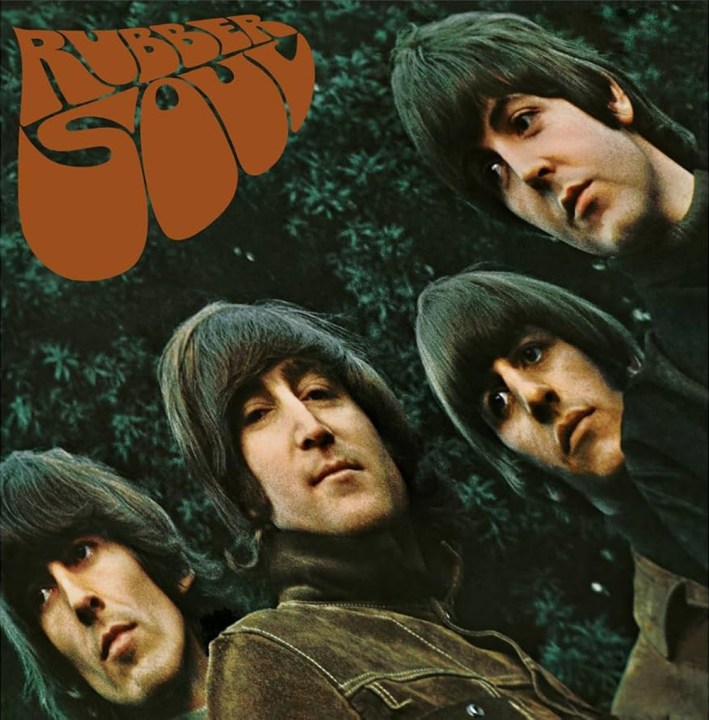
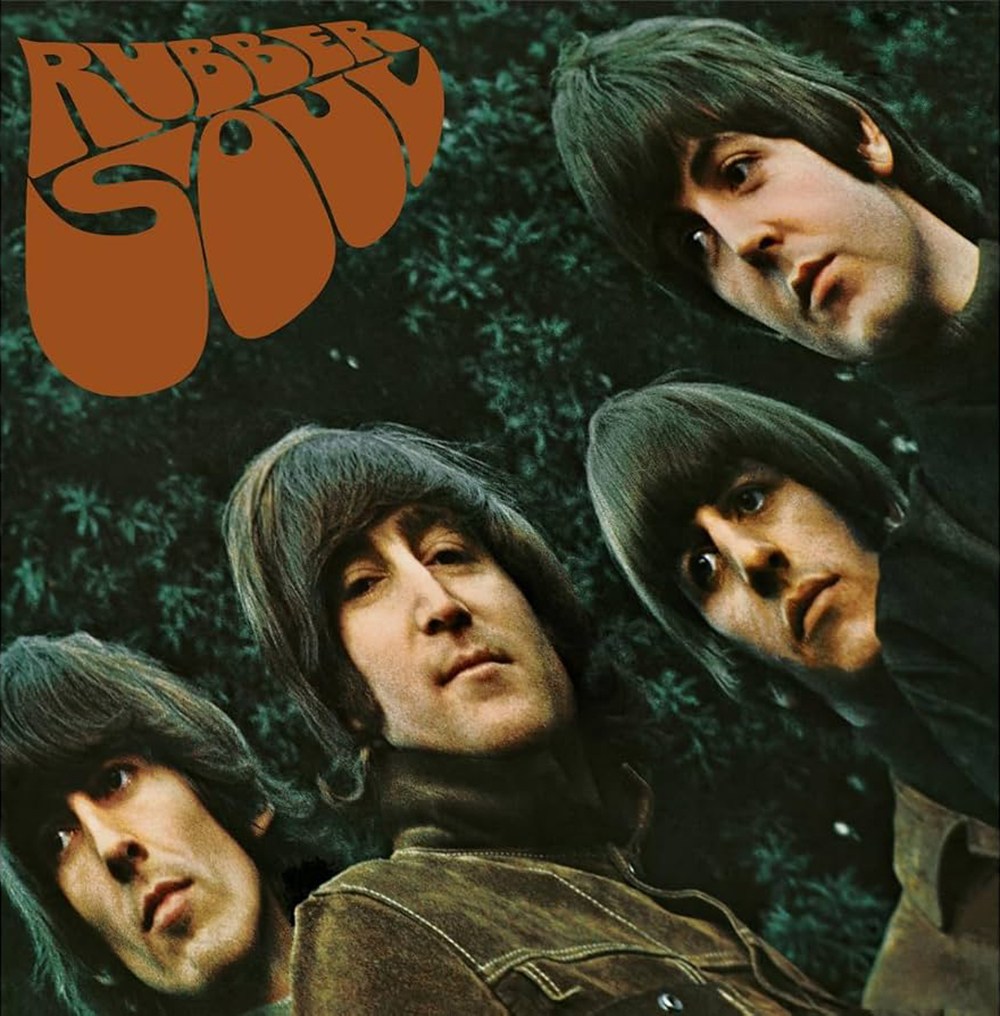
For these old lags, however, the pickings have become increasingly slim. Earlier this month saw the release of Rubber Soul: Special Edition. What is special about it, mainly, is the price: the ‘super deluxe’ box costs £125 (CD) or £189 (vinyl). For this you get three versions of the 1965 album (the original mono mix; a new stereo mix; and the jumbled-up US edition) plus a disc of demos and outtakes. The latter includes one genuine rarity – Lennon’s wafer-thin ‘Little Girl’ – and new mixes of contemporaneous singles, ‘Day Tripper’ and ‘We Can Work It Out’.
The set exists not because there is any pressing artistic need for it, but because there is a commercial opportunity to exploit. Grumbling fans talk of a ‘premium Beatles tax’ even while paying it. They will buy The Third Eye, a new book of early photographs by George Harrison, and tickets for McCartney’s game but increasingly ropey live show, which strives to cover all Beatle bases single-handedly. They wait patiently for the second instalment of Mark Lewisohn’s moment-to-moment biographical opus, Tune In, and debate the merits of the ‘new’ Beatles single, ‘Here And Now’, cobbled together from an old Lennon demo and finally completed in 2023 using AI.
Meanwhile, Gen Zed has happily invented its own version of the band, reframed to suit their own needs and sensibilities. TikTok and YouTube are awash with ‘first-time listening’ reaction videos and frenetic, fast-moving Beatles content. These new fans hear echoes of their own contemporary favourites in the back catalogue, enjoy the weird sonic flourishes, incessant genre hopping and complexity of the main characters. Hip London duo Worldpeace DMT are not alone in using Fab ‘lore’ to indulge in hare-brained Beatles fetishism; one of their songs is called ‘Bigger Than Jesus’.
For this market, watching Jackson’s languorous documentary was like hanging out with an idealised family or friend group of weird, zonked-out creatives – Ket Back, perhaps. Likewise, while longstanding Beatles fans are already griping about the four Sam Mendes films focusing on each individual member, due in 2028, a cast including Paul Mescal as McCartney and Barry Keoghan as Ringo suggests that they are not the optimum market.
The Beatles will only become more detached from historic reality. The analogue version of what they once were is worn out. It is being subsumed by a super-deluxe edition, remixed and remastered for the future. Fair enough. Enough Beatles for the Boomers. Time to hand them over.





Comments