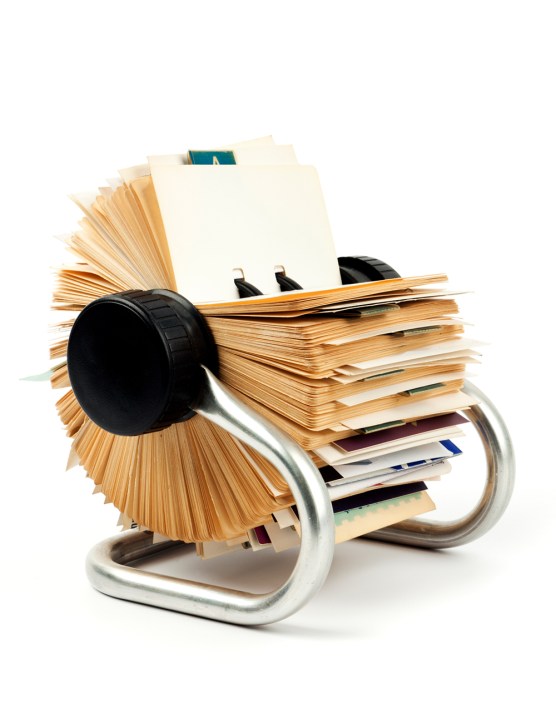
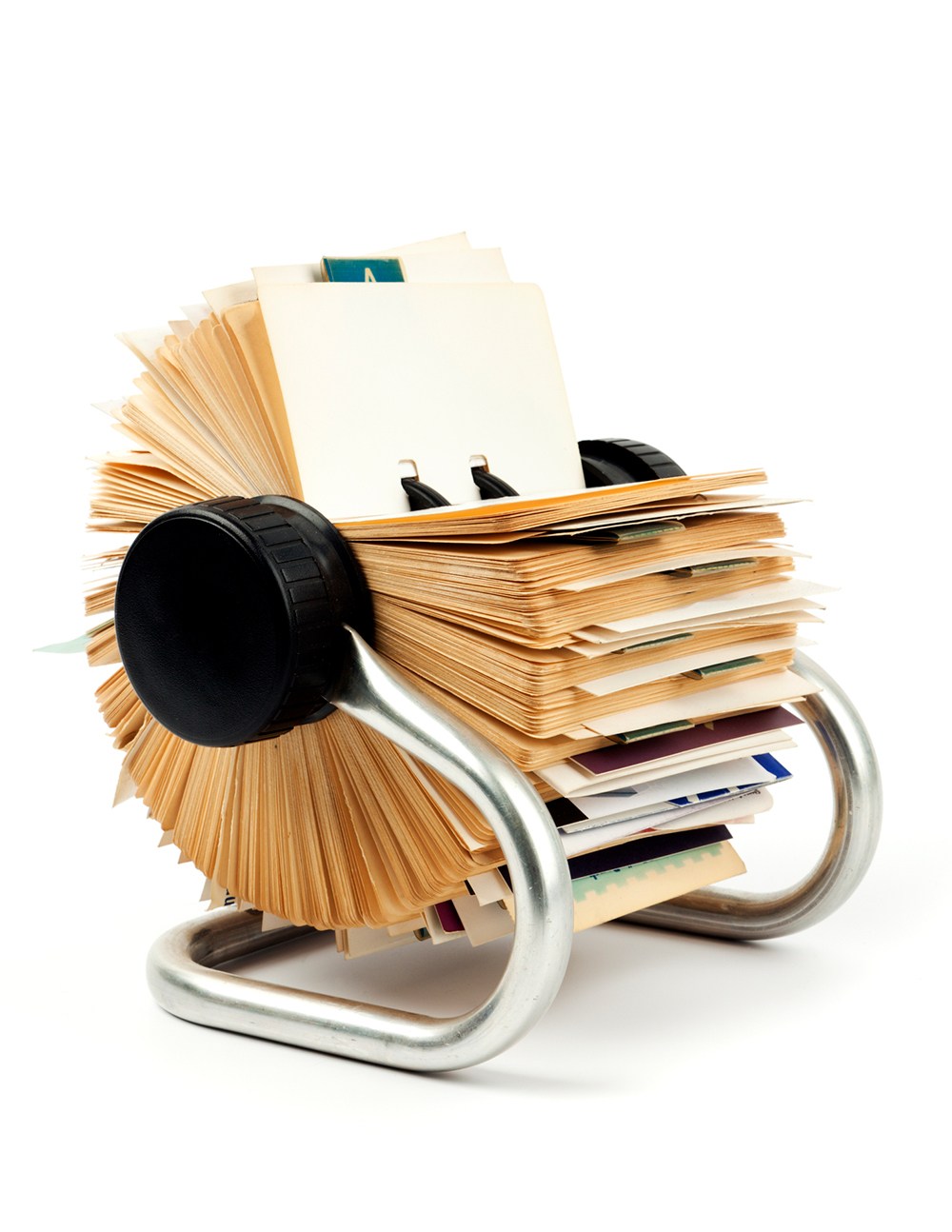
Do you know your friends’ addresses? Do you even have an address book? I’ve had the same one since I was 18. It moulders on my desk, a relic. These days, I’m not sure I could name even the streets where my close friends live – and that’s not because I’m losing the plot. ‘Addresses are given to us to conceal our whereabouts,’ wrote Saki. People seem to have taken this too much to heart.
Modernity has ruined a great deal, but tearing us from our addresses is one of its more overlooked offences. It’s all in tune with the general atomisation of society which, in my darker moments, I believe to be a purposeful campaign by Big Tech. I note that internet companies would like us not to have addresses. They urge barcodes on us, or the grim word salads of What3Words. Bovine, helpless, we comply.

Not too long ago, the sharing of addresses was an important social glue. You’d exchange yours with a new friend, demonstrating a developing stage in the relationship. If you moved house, you’d send a card – ‘Sally and Bill have moved!’ – often with a shaky picture of the new house drawn by a child. Now, people will only deign to mention they’ve ‘relocated’ when you notice their Christmas cards have gone missing for the past three years.
What a loss this is. Addresses link us to the physical world, to place, to history. They are a source of great delight, even romance. Every single field in England bears a name, from Cows Walk to Long Pightle. House addresses speak volumes. In Nancy Mitford’s teasing collection of essays about what was ‘U’ and ‘Non-U’, the sociologist Alan Ross notes that the most U address possible is simply ‘House Name, County’, e.g. Hurtwood, Hants. So grand!
This kind of thing provides much amusement, and demarcates social change: I’ve seen tiny workmen’s cottages calling themselves ‘Abbey’ and ‘Hall’. And why not? Retirees dubbing their bungalows ‘Dunromin’, like a baronial pile, used to be a standing joke. I bet there hasn’t been a new Dunromin in years; and you’re more likely to find a baron in a bungalow now.
Fictional addresses can, indeed, be pleasing: 4 Privet Drive, Little Whinging, perfectly skewers the middle-middle classes. But real addresses continue to provide the glory. John Milton’s fabulous address was The Spread Eagle, Bread Street. That the South Yorkshire police building is on Letsby Avenue is almost too good to be true.
Before houses were numbered, letter writers were specific: ‘To my sister Jean Up the Canongate, Down a Close, Edinburgh. She has a wooden leg.’ I had a friend who lived behind the McDonald’s on the Kings Road: letters addressed like that would still arrive.
When houses proliferated, they needed numbering. Yet addresses still inspired devotion: one postal reformer saw a number 95 in the middle of a street. The houses on either side were 14 and 16. The owner said it was her previous house number and she hadn’t wanted to get rid of it.
And so we must resist becoming mere coordinates for the next Amazon drop. Revolution lies in our humanity. Addresses hold nuances that data can never replace. Learn your friends’ addresses.






Comments