Is it possible, or even acceptable, to feel the same grief for the loss of a favourite place – or holiday location – than for a person? I’d say yes, because people divide pretty much equally into two camps when it comes to the summer hols. There are those who love trying out new and different places, and then there are bores like myself, and my wife, who like returning to the same place every year. Same beach. Same menus. Same ice creams. Same pale rosé. Same owners. Same crowd.

In my case, I’m talking about Paloma Beach in Saint-Jean-Cap-Ferrat on the French Riviera. For I find myself suffering from a bad case of ‘holiday grief’, or Paradise Lost Syndrome. Recently, I learned that my most beloved destination – where I have been going with parents, girlfriends, would-be fiancées, actual fiancées and wives (three) for over 35 years – has just shut down for good.
The mourning began in the recent London heatwave after I began receiving emails about dress codes being relaxed (‘Members are not required to wear ties …’). As the mercury nudged up 36 per cent, simply taking off a jacket, or tie, wasn’t going to help much.
Immersion in water was needed. Not a London lido like the Serpentine but the warm and familiar turquoise blue sea of the Mediterranean. Literary critic Raymond Mortimer once described reading Evelyn Waugh’s polished prose ‘as like looking at the clear pebbles in crystalline water.’ That was what I craved diving into. One of the many things that made Paloma Beach so perfect was its little wooden jetty (for water-skiing and lunch tenders from yachts) which one used to dive off into the crystal sea where you could, indeed, see the mossy pebbles and rocks 12 feet or more below.
I went on to the website of Paloma Beach to book a few days of London heat escapism with my wife before the school holidays began. Alas, I read: ‘Paloma Beach. Depuis 1948. Close Permanently.’ These funereal words were posted underneath a classic retro photo of the club – featuring two cocktails on the empty beach – which could have been taken in the 1970s by Slim Aarons, the legendary American photographer who caught the demi-monde glamour of the Côte D’Azur’s post-war Golden Age.
I knew Paloma had temporarily closed last year as we arrived in July to find campers, tents and condom packets on the former private concession beach whose Vannini family owners had – over the last 70 years – hosted Picasso, Winston Churchill, Roger Moore, David Niven, Elton John, heiresses like Vivien Duffield, and generations of Vilebrequin-wearing Brits wanting to enjoy a little old-fashioned Riviera stardust for 120 euros a day for a pair of beach loungers and the best fresh grilled sea-bass. More recently, Paloma Beach featured in an episode of Emily in Paris.
In March 2025 Saint-Jean’s Mayor Jean-François Dieterich had ordered the club’s demolition as a result of strict new French eco-marine laws forbidding any permanent structures on the Côte D’Azur coastline. But Jean-Baptiste Maîtrehenry, the owner of the neighbouring Belle Epoque Hôtel Brise Marine (where I have stayed for 30 years) seemed optimistic that the beach would be re-opening in 2026 – with a new removable club structure – after work to fix subsistence problems on the Chemin de Saint Hospice cliff overlooking the secluded cove.
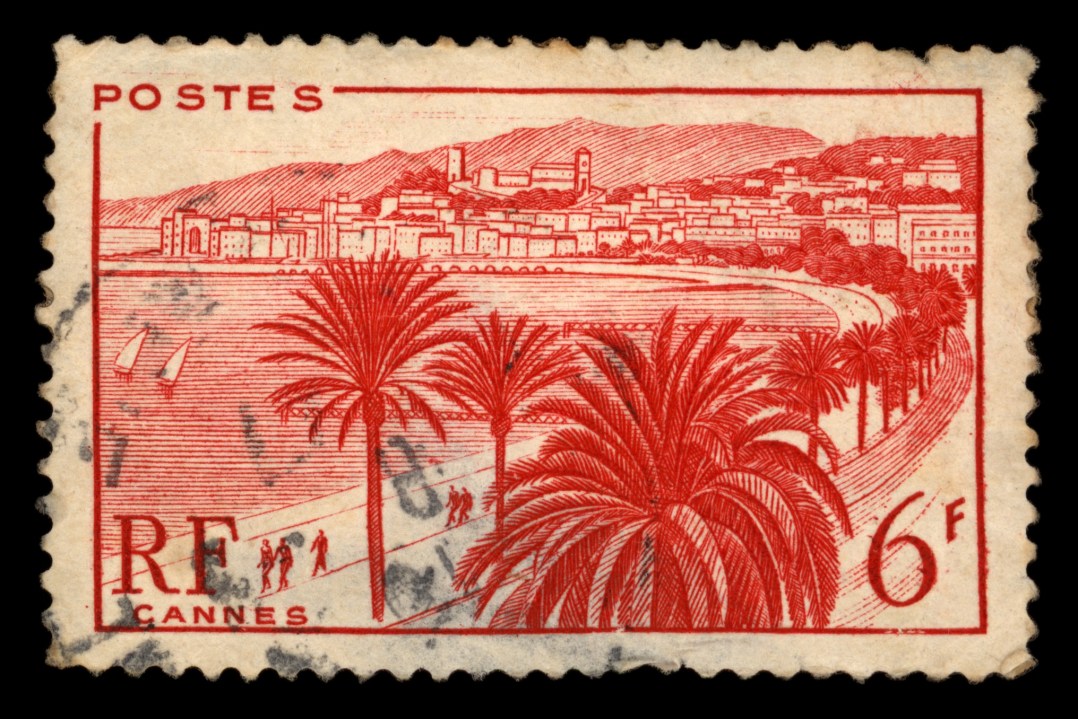
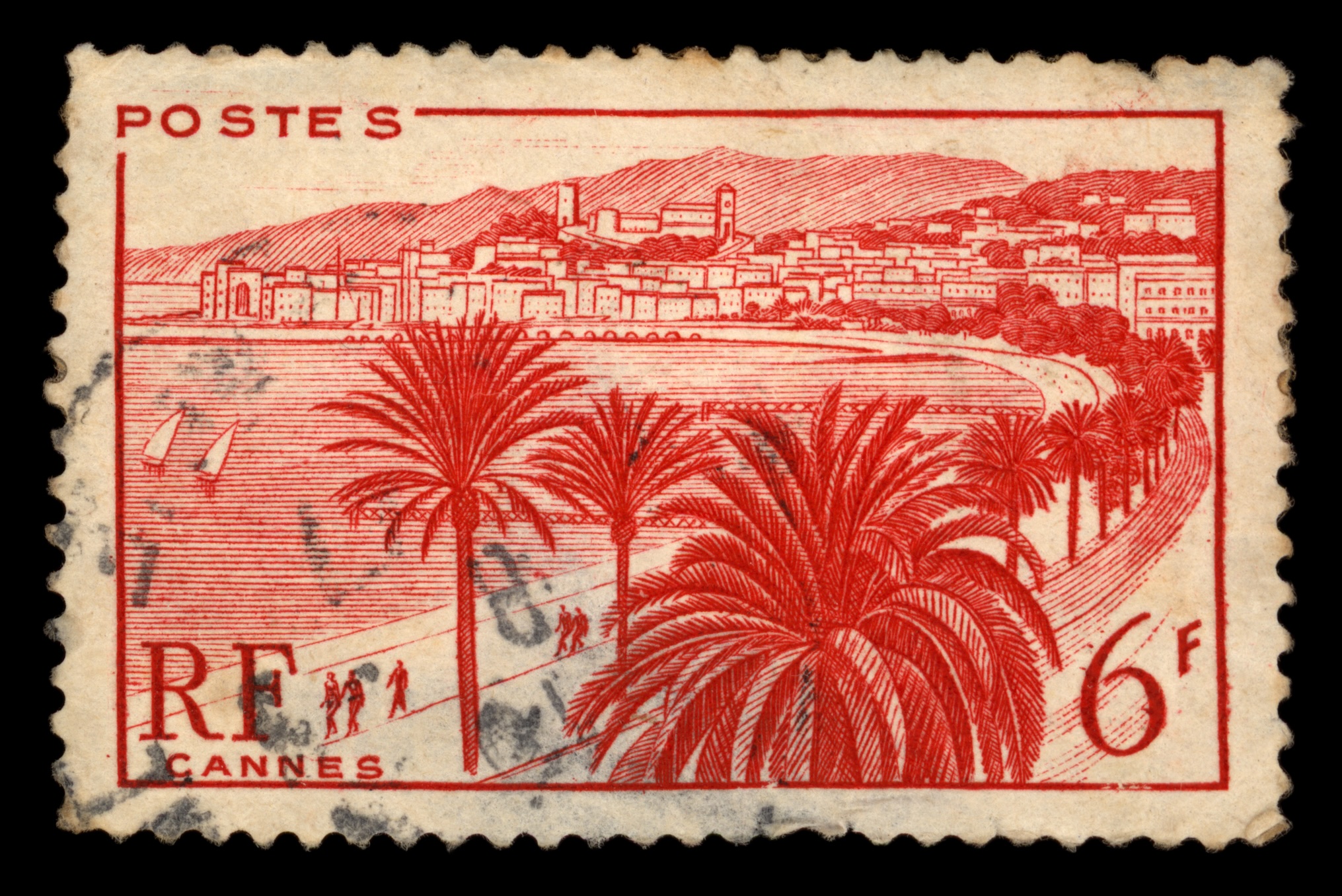
Alas, the legend of Paloma Beach has been killed off by new eco-politically correct coastal protection laws that require all owners of beach clubs to apply for permission to rebuild new ‘seasonal’ structures. This woke political tide has also seen the wrecking ball destroy other famous Riviera beach restaurants, such as Tétou in Cannes which dated back to 1917 and whose Hollywood A-list guest book included Orson Welles, Sharon Stone and Mick Jagger. So distraught was Robert de Niro, he personally rang the owner, Pierre-Jacques Marquise, to commiserate. After being owned by members of the Cirio family for 100 years, with a famous bouillabaisse, the beachfront site was razed by the French authorities using JCBs.
True, a new incarnation has re-opened this year at a different location on La Croisette in Cannes. But it’s now backed by global private equity firm TriSpan whose vision is to ‘bring the Tétou experience to other world-class destinations.’ Which is why I’m grieving over the loss of family-run Paloma as if I’ve just been dumped.
I don’t want trendy on holiday. I want timeless
Yes, Paloma’s owners are directing clients to an à la mode new sister club in Beaulieu-Sur-Mer. But Baia Bella, with its pizzas, double-size beach and loud DJ music under the cliffs of Eze, isn’t the same, nor is the water. I don’t want trendy on holiday. I want timeless.The essence of what I miss most about Paloma – from its violet ice cream to the Picasso-blue changing rooms doors decorated with black and white photos of famous writers and artists – can never be replaced or re-invented. In Spirit of Place (1969), Lawrence Durrell, writes that when it comes to the best spots in the South of France even if there was no glitzy history or ‘sense of a past to indulge our 20th century sense of self-pity, the place would still be the magnet it is.’
Britain’s coast doesn’t have a chic beach club culture so it may well sound sentimental, self-indulgent and, indeed, self-piteous, to say Paloma’s closure has caused a self-diagnosis of Paradise Lost syndrome. But its closure due to left-wing eco-laws driven by climate change has certainly added to my funk. Paloma Beach represented an understated beauty and cosmopolitan style, along with a joie de vivre, that is in danger of being cancelled.
In the end, I don’t think you can easily make a clear distinction between the death of people and places, with the former somehow requiring a superior form of grief. Places, especially restaurants, can have a soul of their own – their demise can feel just as emotionally wrenching as losing a friend, lover, dog, or even a family member.
Returning every year to Paloma Beach – named after Picasso’s youngest daughter, born in 1949, whom he regularly took the private beach in the 1950s to escape from the paparazzi – was a form of coming home. In an age of random and rootless digital chaos, where we interact via Zoom or phone, Paloma’s simple physical pleasures – wine, laughter, seafood, Acapulco-like water, privacy – offered the routine, reassurance and anchor of a Mediterranean culture of life-affirming civilization.
For me, Paloma became not only a psychic symbol of the very best in life but also a memory bank of some of the happiest times and a welcoming friend in the worst of times. Each summer my Paloma battery would be charged up. But never again.



Comments