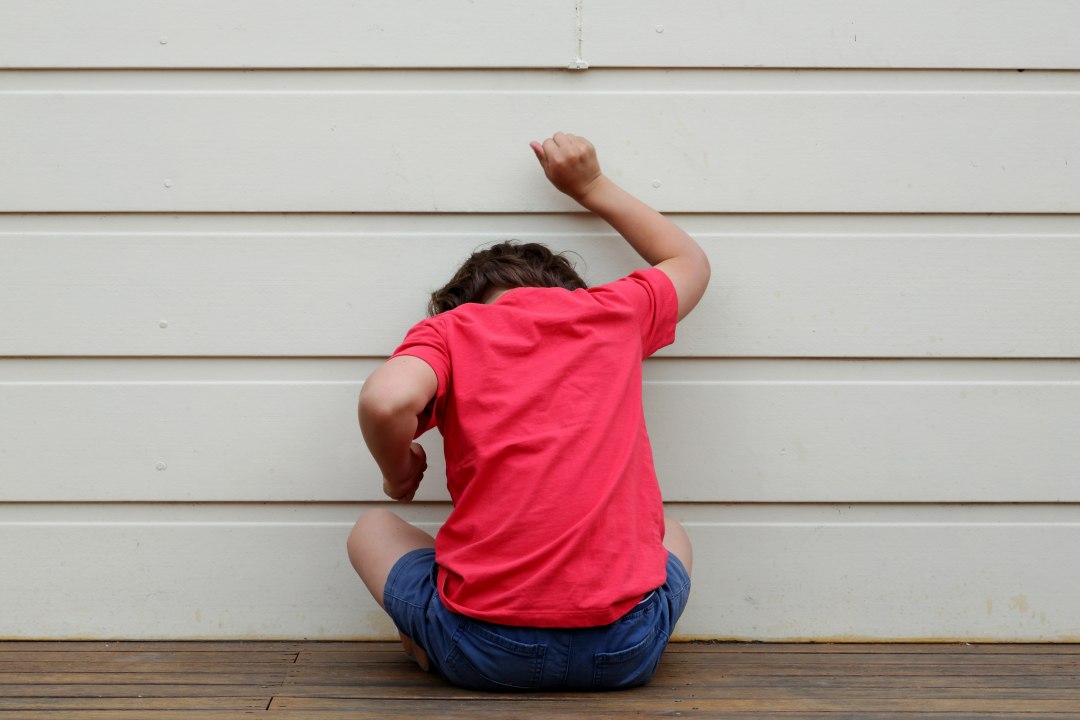
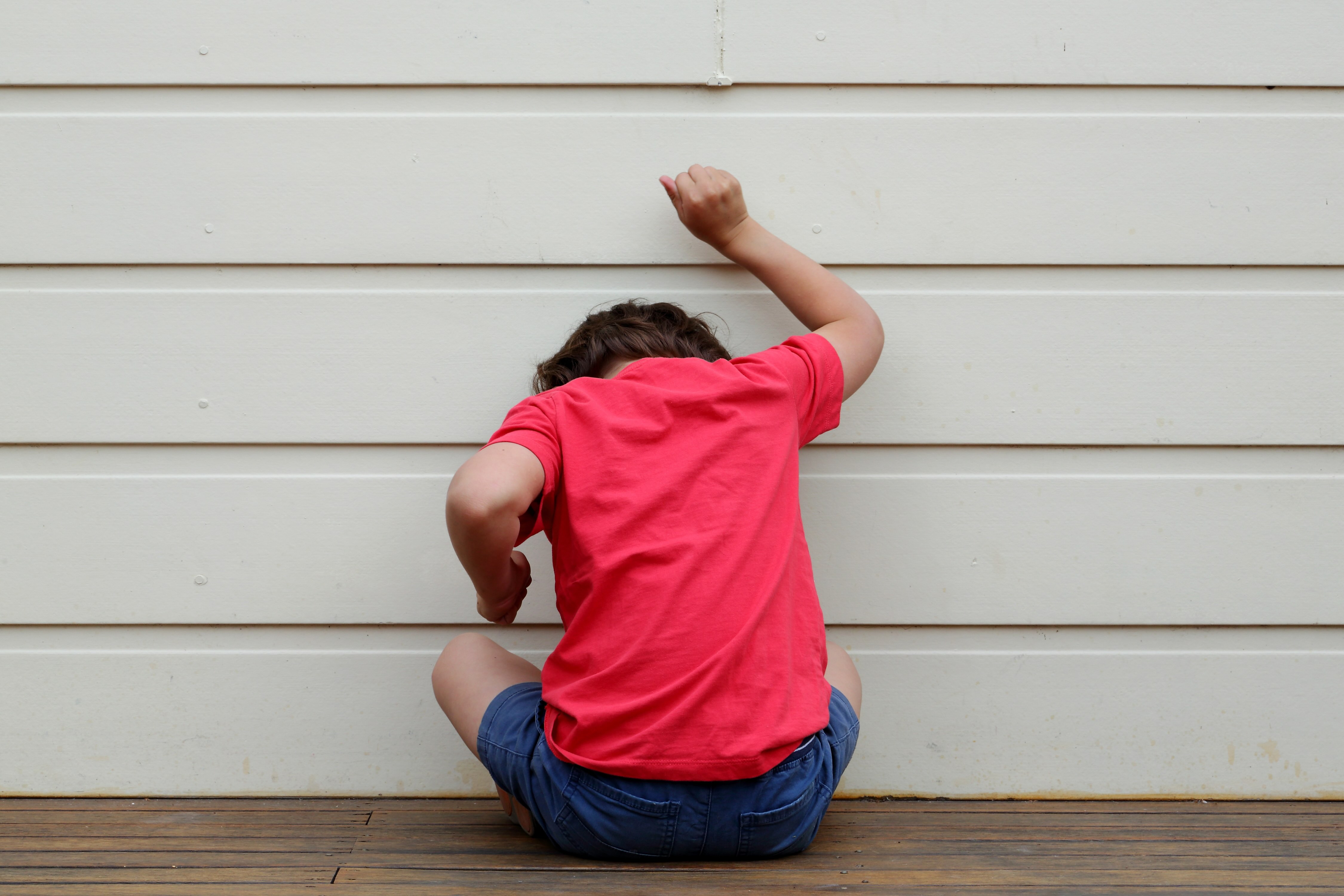
I’m a writer, and I’m raising my son knowing that he might never understand what I do for a living. He’s just turned four. Last year, he was diagnosed with autism. I knew that the NHS was overwhelmed with referrals, so I was expecting a long process. Instead, all it took was a single hospital visit with a pediatrician. She had no doubts.
Autism is not a life-threatening illness like congenital heart diseases, and it’s not a debilitating mental disorder like schizophrenia. But, depending on where a child falls on the spectrum, it can require lifelong care. It’s not what I would have chosen for my son. It’s not what any parent would choose.
At first, I almost didn’t notice it. He was my first child, and I knew no different. He wasn’t saying any words by the age of one, but I thought he was just a slow talker. He showed no interest in other children by one-and-a-half, but I told myself he was just introverted like my husband and I. Then we had our daughter, just nineteen months apart. It was painfully obvious how different they were. She said my name; he didn’t. She hugged me; he often responded to touch by ‘stimming’, flapping his hands and rocking himself whenever he was overstimulated. She gazed into my eyes; he often just stared at the ground.
No matter how hard I’ve tried to blame myself for my son’s diagnosis, and I have tried very hard – did I not take the right prenatal vitamins while pregnant? Is it because I had a C-section? – it’s highly unlikely that I had anything to do with it. What autism does have in common with heart disease and schizophrenia is that it is highly heritable. Unfortunately, many just don’t know this. My own mother, while well-intentioned, suggested to me that perhaps our son developed autism because we moved countries twice in the first two years of his life. Or perhaps, he was traumatised because we had our daughter in quick succession. Claims in the US that Tylenol usage during pregnancy is linked to autism haven’t helped either. Although further studies have disproved causation since last year, the association lingers in people’s minds, offering an easy way to blame mothers.
It’s not what I would have chosen for my son. It’s not what any parent would choose.
On the one hand, the genetic component is a relief. Yet if I didn’t cause it, it also means that there’s nothing I can do to reverse it. It’s out of my control, and so is the fact that any future children we may have will be more predisposed to autism. If I’m honest with myself, I haven’t fully come to terms with this.
I’m often reluctant to share with family and friends how worried I have felt in these first four years of raising my son. One so often read stories of parents with autistic children who grew up to live almost ‘normal’ lives, and I don’t want to panic prematurely. On the opposite end of the spectrum, I know of autistic children who are entirely non-verbal and even aggressive. I’ve never had to worry about my son hurting my daughter or himself. What right do I really have to complain?
Even so, being his mother has broken down my sense of self. I’ve always loved words, as long as I can remember. By the first year of primary school, I was telling my mother I was going to be a writer. I spent my teenage years and most of my twenties training to write about literature professionally. While I’ve had much to be grateful for in my life – I have friends and a supportive spouse, neither of which I take for granted – my sense of identity was for a very long time inextricably tied to whether other people thought I used language in clever way.
It’s somewhat ironic that I have been tasked to raise a child who doesn’t understand either figurative or emotive language. After four years, and with much patience, we’ve only just got to the point where our son will occasionally tell us that he’s hungry or thirsty. On a chatty day, he’ll point out a car or a plane. That’s the extent of his verbal communication. Reassuring him doesn’t calm him when he has an autistic meltdown after being in a noisy place; music does. I can’t rely on him to tell me that he’s sad or angry in the way that another four-year-old can; I will notice him shaking his hands and gently restrain him until he’s no longer overwhelmed.
Yet I am thankful that my ego has been thoroughly and repeatedly deflated in caring for a child who has no use for any of my literature degrees. I’m thankful that because of him, I’ve been forced to stop navel-gazing and start looking outward at someone else’s needs, at someone whose specific needs and interaction with the world are so vastly different from my own.
Autism is not a good thing. It’s hard and confusing for my son in ways that only he really understands. It’s not a blessing to be born with it, in the same way that no illness is a blessing. Nevertheless, it has been a blessing for me as a mother. It’s been at once the most humbling and exhausting, and the most character forming experience of my life. I’m not grateful that my son is autistic, but – no matter what happens as he grows from an infant to a child, and from a child to a man – I will always be grateful that I get to be his mother.



Comments