

When Mel Stride put out a YouTube Short last month, it got zero views. That, surely, is worth repeating: zero views. Stride’s unloved ‘short’ was a poorly cropped clip of a GB News interview, similar to dozens of other clips he had posted on his YouTube channel before being sacked as shadow chancellor. Most of them have fewer than ten views.
Stride was born in 1961, so he can perhaps be forgiven for not being au fait with the latest meta on social media. But most of our MPs have similarly amateurish operations, despite recognising the importance of social media in modern communications.
Have a look on X and you will see hundreds of clips of MPs from all parties recording themselves wandering around parliament, their thoughts about the latest policy proposal occasionally subtitled with misspelt captions. Producing this content is often palmed off on a parliamentary assistant with no background in video editing. What Stride should have done is outsource his social media work to professional ‘clippers’.
Professional clipping is a relatively recent phenomenon, which began in the late 2010s but has developed serious momentum over the past few years. This is how it works: people take short clips of long-form content from streamers, podcasters and, increasingly, politicians, then edit them for maximum virality (think colour changes and captions) before reposting them online. Professional clippers are paid to do this.
The skill of clipping is to create a video perfectly designed for an audience with no attention span
Because of the dominance of short-form video on most social media platforms (TikTok, Instagram Reels, YouTube Shorts), clipping is a much more effective way of reaching an audience than simply posting a video of a speech or a podcast. It has become even more powerful on X since Elon Musk took over, as he has changed the algorithm to reward video in a bid to imitate TikTok.
Content creators seeking promotion will give money to clipping agencies. These agencies pay freelancers, usually young men in India or Eastern Europe, to produce clips and post them at scale, with payment linked to views. The skill of clipping is to create a video that is perfectly designed for an audience with next to no attention span; the financial rewards of mastering this trade can be extraordinary. At the top end, clippers can earn tens of thousands of pounds a month.
Instead of Stride paying a parliamentary assistant to pump out videos to his 280 YouTube subscribers, he could have paid for a company controlling hundreds of accounts across X, TikTok and YouTube. These accounts could have clipped his best moments, given them enticing (possibly inaccurate) captions suited to the algorithm and posted them at scale. This would then have bent the algorithm on these platforms to show anybody with any interest in British politics videos of Stride. Some of these accounts would have normal names, some would have names like ‘UkPolitics-Updates’, but none of them would appear to be directly linked to Stride.
As a marketing strategy, clipping is effective because most viewers are unaware that their algorithms are being manipulated by commercial interests. Clipper accounts do not advertise that they are being paid to produce these videos. Often they will masquerade as fan accounts or just have the names of regular people with AI-generated profile pictures. This can manufacture fame for online celebrities if they are willing to put enough money into their brand.
You may not have heard of Clavicular, a 20-year-old streamer who has become famous for his controversial content about ‘looks-maxxing’, but almost everyone under 30 who uses social media will know who he is. He is reportedly spending upwards of $650,000 a month on clipping. His personal X account has only 175,000 followers, fewer than half of Kemi Badenoch’s. But most people do not click on his page; instead the algorithm presents them with curated clips of controversial things Clavicular has said about intrasexual dynamics on podcast interviews.
Another creator who has aggressively pursued a clipping strategy is a 22-year-old streamer called N3on, who spent $1.4 million in the course of five weeks. N3on is particularly interesting as he has even paid clippers to post negative clips about him online in a bid to gain relevancy. In his own words: ‘I didn’t care if the caption was like, N3onruns over old lady, I don’t give a fuck what it is, as long as it goes crazy, I want it.’
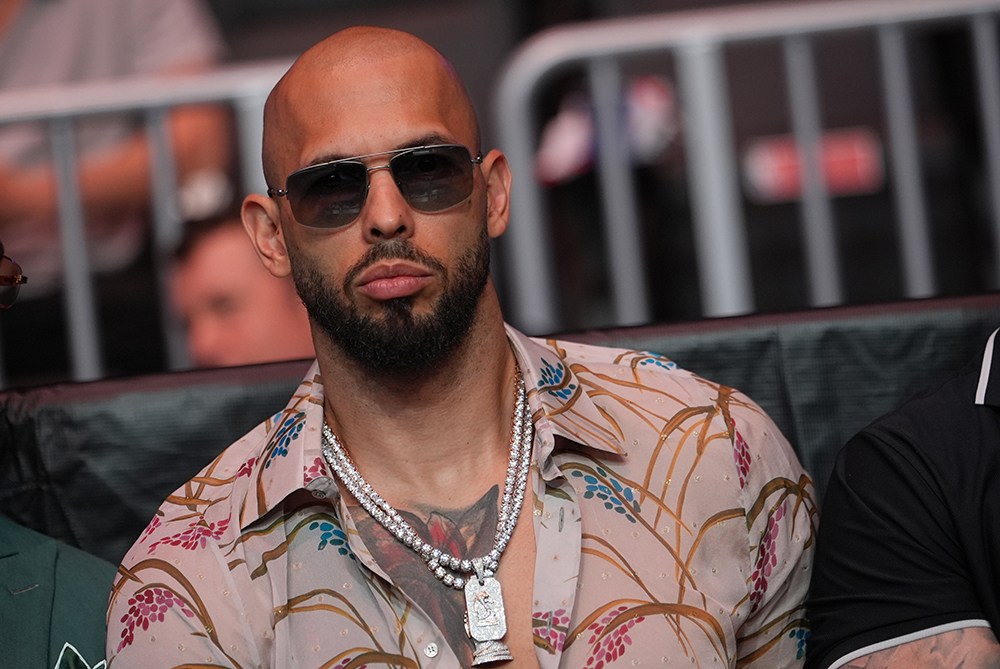
The great influencer pioneer in the world of clipping is Andrew Tate. His ‘Hustlers University’ was designed to sell online courses to his followers, but Tate also included financial incentives for his followers to post clips of him. His followers would then earn money for driving new recruits to his ‘university’ – all by clipping. A guide given to his students advised them to post four to six videos promoting Tate every day, and to target his most controversial content to stir maximum controversy. New recruits posting clips drove new recruits posting clips, the result of which is that Tate is, for all of the wrong reasons, a name known by every parent and teacher in the country.
Traditional media is increasingly moving towards clipping as a marketing strategy. I have spoken to figures in film and television who tell me that the use of ‘clippers’ is almost universal, and that some firms are considering junking most of their traditional distribution strategies to focus purely on clipping. Musicians including Drake and Justin Bieber have paid clippers to include their music in their videos, and many films, including Christopher Nolan’s Odyssey, have been promoted online by paid clippers. The most successful social media entrepreneur of the 21st century, Jimmy Donaldson (aka MrBeast), who has more than half a billion subscribers on YouTube, has created his own clipping company, Vyro, to take advantage of the commercial opportunities.
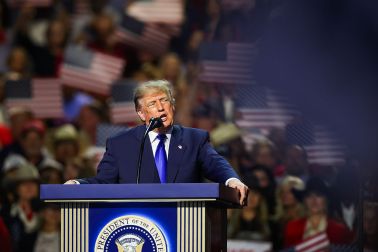
The Atlantic recently reported that US Republicans have started to invest heavily in clipping operations which push content sympathetic to their message, including clips of Donald Trump or J.D. Vance, or even adjacent commentators like Joe Rogan and the investigative journalist Nick Shirley.
The potential for the nefarious use of clipping within politics is obvious. It will allow politicians to manufacture the appearance of grassroots support by paying companies in foreign countries to promote their content online. Instead of giving money to a regulated political party with spending limits, donors could simply spend millions of pounds on clippers to drive the political messaging of their favoured candidate.
Most viewers are unaware that their algorithms are being manipulated by commercial interests
Clipping has featured heavily in political campaigns this year. The best example is that of Spencer Pratt, a reality TV star with no political background, who decided to run as a Republican candidate to become Los Angeles mayor after his house was burned down in last year’s Palisades fire. Pratt spent nearly all his campaign money on professional clipping agencies, eschewing traditional radio and TV advertisements. His clips often used AI-generated videos (one clip featured him as Batman, with Kamala Harris as a supervillain) which went viral. Pratt made it into third place before being eliminated – defeating several experienced councillors and former mayoral candidates.
The Restore leader Rupert Lowe has enjoyed social media success, driven by an organic online fanbase (which he does not pay for) pumping out hundreds of clips and edits of him interspliced with footage from old historical dramas such as Cromwell (1970) to present him as a conquering hero ready to save Britain from its enemies.
This content has made Lowe popular with US streamers such as Asmongold, who have gone on to promote him further, creating a networking effect which has lifted him from obscurity to a position where he can do serious damage to Reform. If Lowe, ‘one angry man saying stuff on the internet’ per Farage’s description, has been able to puncture Reform with an accidentally successful social media strategy, what could a British politician or party achieve if they used their financial resources and outside expertise to pursue a social media campaign of clipping?
If poor Stride had paid clipping services to massage X’s algorithm to boost his image, if Lobby journalists were seeing dozens of accounts called ‘Mel Stride Updates’ posting out boosted content about him on their feeds, it is not inconceivable that he could now be tipped to succeed Badenoch.
Stride’s social media failure was not his messaging but rather his method of distribution. This can now be outsourced to experts living anywhere in the world, and politicians who don’t grasp this opportunity quickly will soon look like dinosaurs wandering around Portcullis House filming themselves moaning about the farmers’ tax. Their aides will continue to waste their time trying to book regional radio appearances, while their competitors pay some bright spark in Lahore £1,000 to reach 40 million people. Those who fail to adapt will find their profiles and careers slipping away, one zero-view video at a time.




Comments