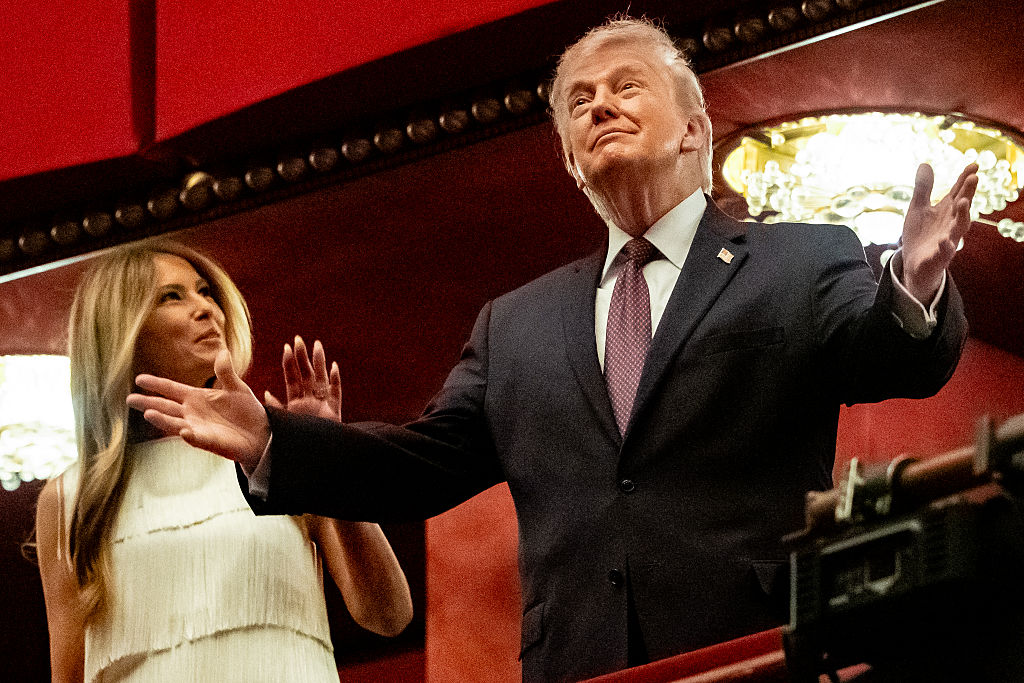
The chief function of the prime minister is to take the blame, and Sir Keir Starmer can no more escape this rule than his predecessors did. Having met him occasionally when he was my local MP, before he moved from Kentish Town to Downing Street, I feel a twinge of sympathy with him. He took trouble with unimportant people, could not have been more genial when I bumped into him at the Pineapple, his local pub, and on one occasion even asked if I could explain the attraction of Boris Johnson and Jacob Rees-Mogg. I feared this task would be beyond my powers of exposition, and perhaps also his powers of comprehension, so changed the subject. But in those days Sir Keir had a sincerity which disarmed criticism. This is no longer the case. As PM he cannot conceal his all too genuine belief that the attacks on him are unfair. He evinces no acceptance that the buck stops with him.
But how easy it is to slip into the absurd pretence that if only the politician were as high-minded and rational as the pundit, all would be well. Nobody’s perfect. Voters know this, and choose the lesser of two evils. Commentators easily forget it, and start implying the existence of a perfect solution, which could be adopted tomorrow if only the minister were not morally and intellectually defective.
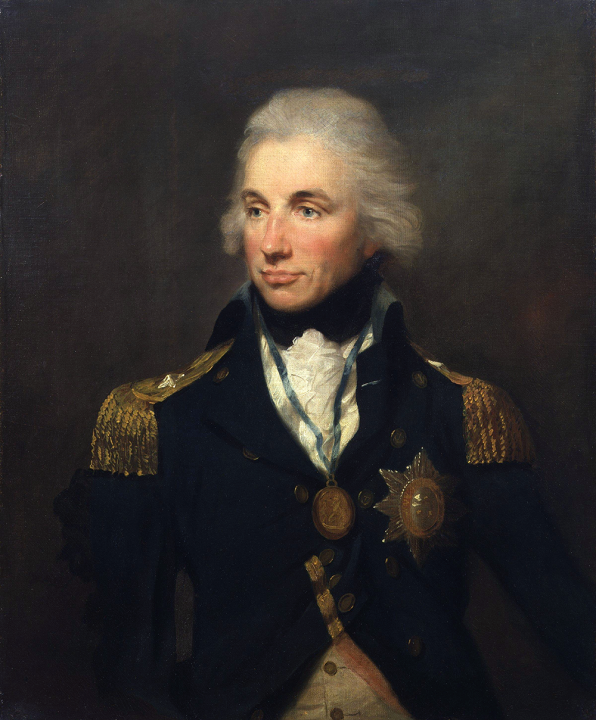
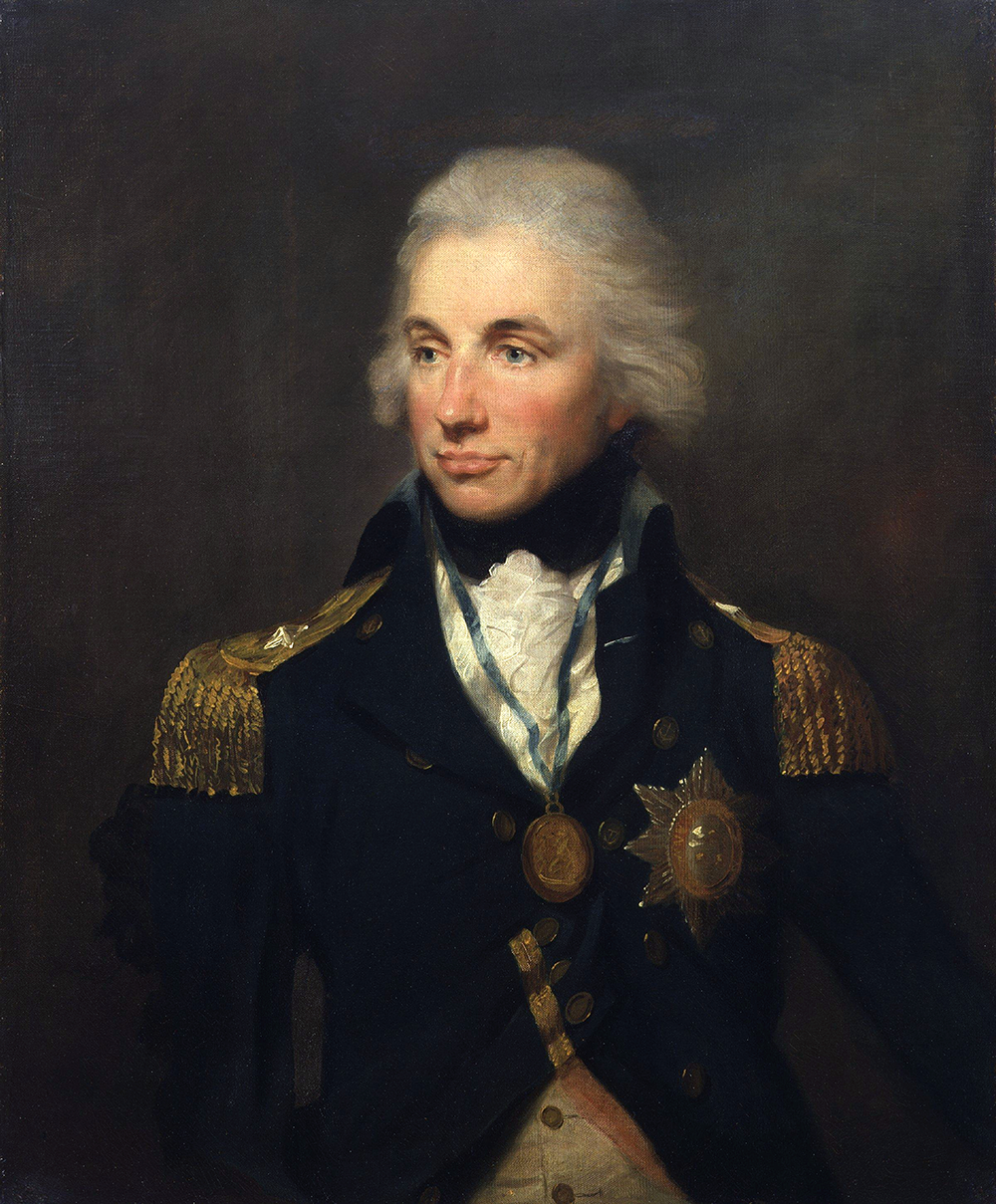
Heroes have faults too, as the Greek dramatists knew, and as I realised while writing a volume of brief lives of 50 British heroes. Although later adopted by the Establishment and smothered with praise, they almost always start out as rebels, disconcerting their contemporaries by doing things no normal person would dream of doing. Thomas Coram campaigned for 17 years to win the support of the highest levels of society – the duchesses proved more helpful than the dukes – in order to establish in 1739 the Foundling Hospital, to feed, clothe and educate London’s abandoned babies. Thomas Clarkson toiled for even longer, and was almost murdered in Liverpool, while gathering the evidence about the Atlantic slave trade which at length enabled William Wilberforce and other parliamentarians to get this monstrous traffic abolished. Florence Nightingale defied her parents’ conventional view that nursing was no fit occupation for a lady, and then with superlative tact, firmness and administrative genius overcame the British military authorities, who during the Crimean War insisted they were perfectly capable of looking after sick and wounded British soldiers and needed no help from the group of women Nightingale had brought from London. Horatio Nelson, the greatest hero in my book, knew when to disobey orders, trust his own intrepid judgment and embrace the mortal dangers of doing so.
It is odd, in a way, that Winston Churchill became a great Conservative hero, for he was not a party man, ready to sacrifice his judgment to the whips. His friend Violet Bonham Carter, who met him in 1906, soon after he had crossed the floor and become a Liberal, saw how original he was: ‘He ran true to no form. There lurked in every thought and word the ambush of the unexpected.’ In the 1930s he defied public opinion, and the Conservative party, on India, and by rallying with quixotic chivalry to the side of King Edward VIII, as well as on the great question of whether it was possible to appease Hitler, which most sensible people were determined to believe it was.
The other day I found myself descending the 96 steps of the spiral staircase at Camden Town station on the London Underground, the escalator yet again out of action because of staff shortages. I was surrounded by well-dressed French people, who for some reason visit Camden in large numbers. As we shuffled into the depths, it occurred to me that it would be graceful to deliver an impromptu speech of apology: ‘Je suis désolé…’ But I had no idea what to say next. Even in English it is quite difficult to explain the deficiencies of this station.
Much though I hate motoring, I had to hire a car for a very enjoyable visit to Suffolk. To my relief, I arrived back in London on Sunday evening safe and sound. All that remained was to fill up the tank with petrol, before dropping off the car at the hire company. The card reader at the pump was of so modern a design I could not at first work out what to do. At the second attempt I managed it, reached for the pump, and put 32 litres of diesel into the car. Immediately I realised what I had done. Two hours on the phone sufficed to engage a man to come and pump out the tank at noon the next day. Yet again the role of folly in human affairs had been amply demonstrated.
Andrew Gimson’s Heroes: Brief Lives from Boudicca to Churchill is out now.


Comments