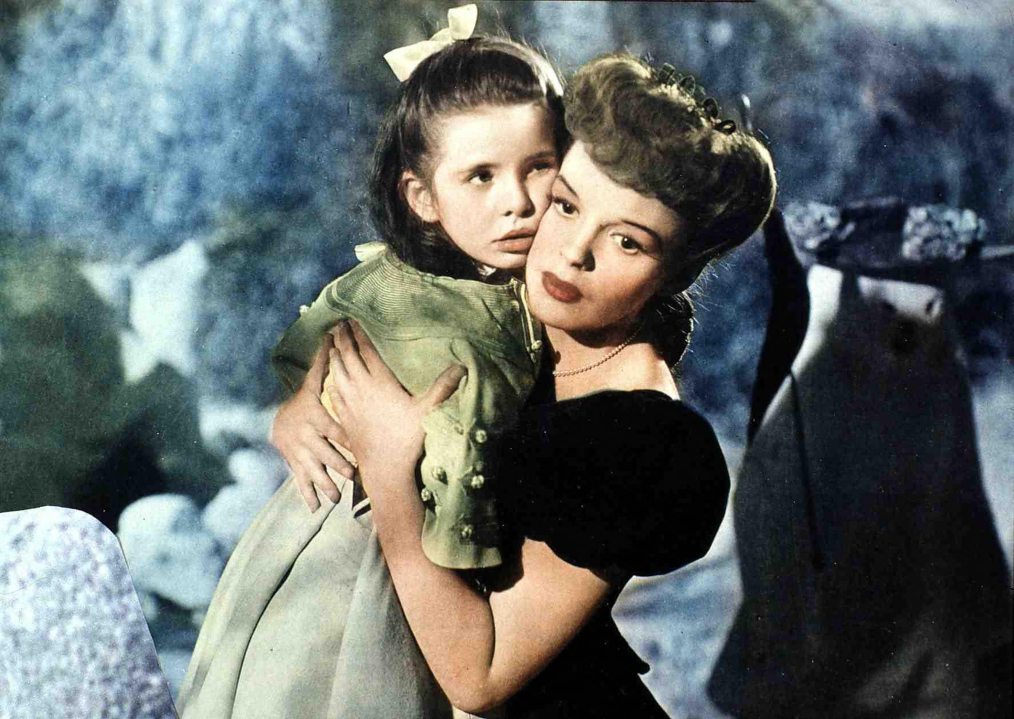
Here is a great festive pub quiz question for you. Which film was the song ‘Have Yourself a Merry Little Christmas’ written for? It’s likely, particularly if you’re below a certain age, that your first reaction will be surprise that it was written for a film in the first place. That’s a reflection not so much of the failure of the film in question – Meet Me in St Louis, which was the second highest-grossing film of 1944 – but of the enduring popularity of the song itself. In 2023, it was the 11th most played holiday song, according to the American Society of Composers, Authors and Publishers.

But just as the song has transcended the film, it has become unmoored from its original meaning. What was once a moving piece reflecting bittersweet melancholy has turned into a saccharine, cloying, soulless little ditty. I wish I could link this to the progressive, virtue-signalling ‘woke’ age, where culture and history are sanitised to remove any trace of discomfort, but the roots go back further than that.
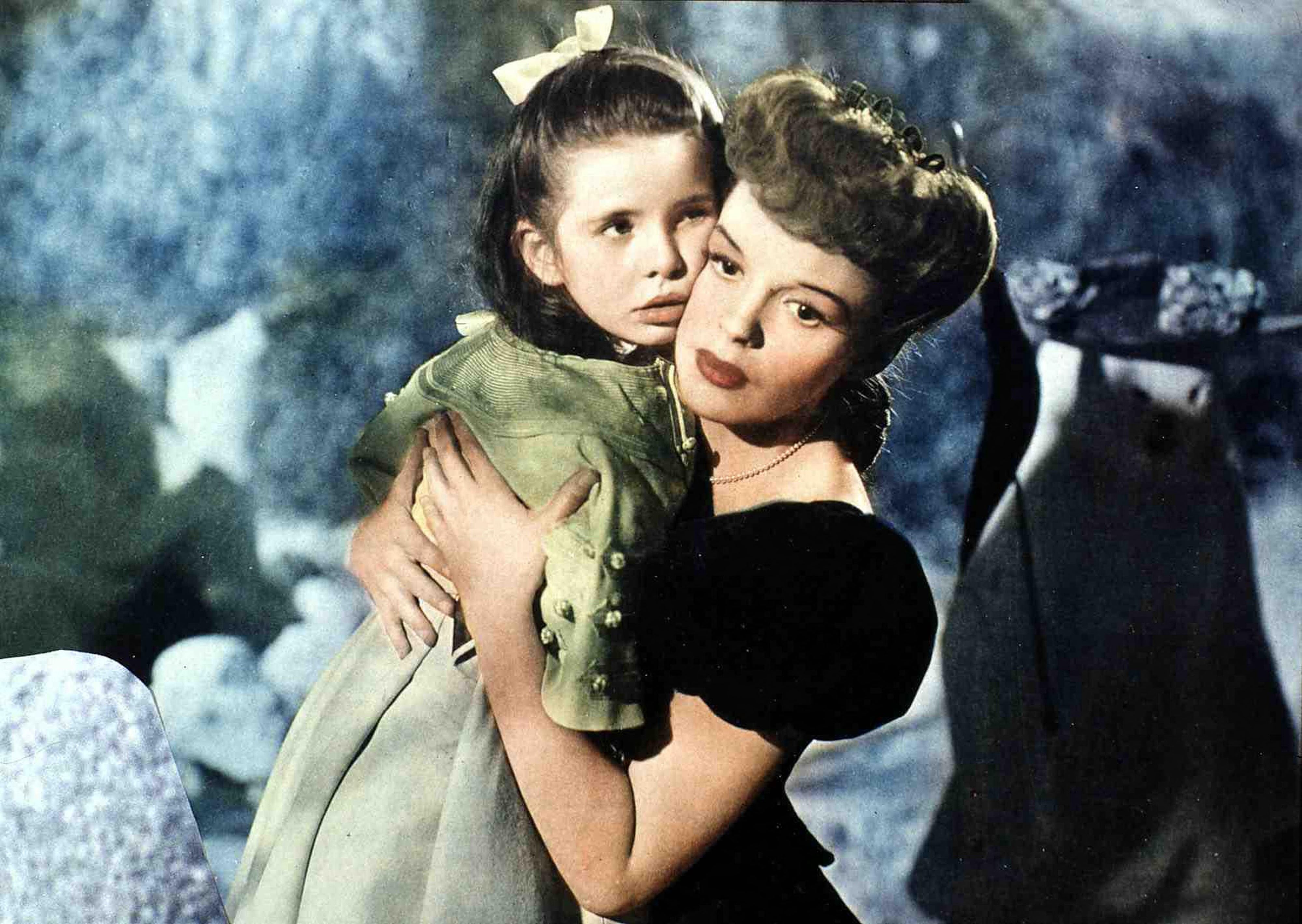
The film moment for which the original was written is one of profound sorrow. The song is sung by Esther Smith, played by Judy Garland, to her much younger sister Tootie (Margaret O’Brien), ostensibly to comfort her about the family’s move away from their beloved home of St Louis to New York where their father has accepted a job offer. ‘You don’t have to leave anything behind,’ Tootie is told as she frets about whether she can bring her toys with her. In reality, though, Esther is singing it to comfort herself, given the move will mean the likely end of her romantic relationship with her next-door neighbour John. Esther will absolutely be leaving something behind: the love of her life.
This is expressed in the mighty, devastating crescendo that comes in the fourth verse. ‘Through the years we all will be together, if the fates allow. Until then we’ll have to muddle through somehow.’ A more impeccably designed lyric could not be imagined, the use of ‘muddle’ and ‘somehow’ capturing the familiar sense that life is a series of trials and tribulations punctuated with the ephemeral joys of family and friendship.
This is not a cheerful song. Instead it’s a reflection of the pain, anguish and melancholy that is inevitably induced by the passage of time, the geographical and temporal separation of families and friends, and the process of ageing, laced with the hope that one day – perhaps next Christmas – that separation can be closed, however briefly.
But in most covers that final lyric has since been replaced with ‘Hang your shining star upon the highest bough’: a line completely devoid of any meaning or sentiment. It’s a line which now reads almost like something produced by artificial intelligence, but which was sadly written by the song’s original composer at the request of Frank Sinatra, who felt the original lyric too gloomy.
The moving final lyric has been replaced with ‘Hang your shining star upon the highest bough’: a line completely devoid of any meaning or sentiment
Interestingly, even the original version was significantly rewritten during its drafting process. The first draft included lines which would mark it not just as the saddest Christmas song, but one of the saddest ever. The passage ‘No good times like the olden days, happy golden days of yore. Faithful friends who were dear to us, will be near to us no more’ was replaced by ‘Here we are as in olden days, happy golden days of yore. Faithful friends who are dear to us, gather near to us once more’.
It was Judy Garland herself who perhaps wisely recognised that this might be too bleak. But its removal only adds to the prominence and the poignancy of ‘Until then we’ll have to muddle through somehow’. And the frustration of listening to some of the 20th century’s greatest singers – Frank Sinatra, Karen Carpenter – build up to that moment only to deliver the sanitised version is almost too much to bear.
I’ve been particularly struck by it this year. At the tender age of 31, I will be spending my first Christmas ever away from my parents. My Australian grandfather passed away recently, and so my parents have had to fly halfway around the world to deal with his estate. It is also my first Christmas with my wife, making this moment feel like a watershed in my life – the point where I come face to face with the reality that one day Christmas with my own parents will be the olden days, happy golden days of yore. My wife is American, and it is probably the turn of her parents to host us for Christmas next year. That’s something that will bring me great joy, but that cannot mask the melancholy I feel at the knowledge that I will have to wait two more years to spend Christmas with my parents once again. Until then, we’ll have to muddle through somehow.




Comments