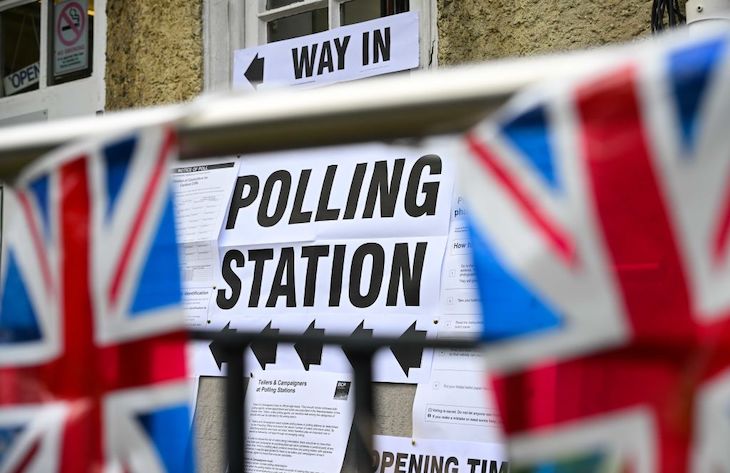
For 350 years it has been established in the British constitution that taxes can only be levied for the crown with the consent of parliament. Ever since the Bill of Rights this principle – articulated most famously by the American revolutionaries in their call for no taxation without representation – has been core to our understanding of what it means to be a democracy.
Delaying elections, unless as a result of a national emergency, should be considered an extraordinary act
That principle is clearly being breached with the delay of local elections in 29 local authorities across England. These councils, many of them delaying elections for the second time, from May of this year can no longer be considered democratically elected. We would not consider a foreign government democratically elected once it exceeded its term limit, regardless of the circumstances of how it came to power. The same principle should apply here. There will be 250 councillors serving seven-year terms as a result of these delays, and many more serving five or six year terms.
Yet despite this, most if not all of these councils will be increasing council tax by the maximum amount allowed. They will be exercising the power, not just to levy a tax in the first place, but to increase that tax, adding as much as £100 to the average band D bill. The total amount added to council tax, according to our research at the TaxPayers’ Alliance, is expected to be as much as £121 million in 2026/27.
This is a gross violation of democratic principles. Local taxpayers have granted, at the ballot box, that local authority and the politicians leading it, the power to increase council tax for a set period of time – four years. For any council with a delay lasting two years, they will have already passed four budgets, with four sets of council tax rises. At the bare minimum, they should be obliged to freeze council tax. For any council delaying for the first time, they should be obliged at a minimum to freeze council tax next year.
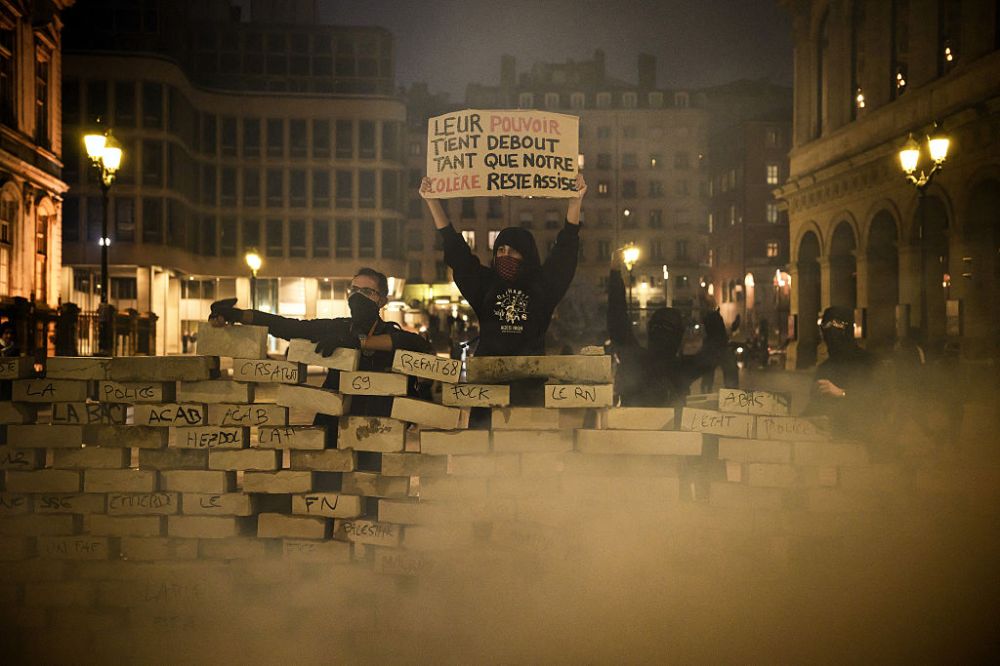
But the government should really be stricter. Delaying elections, unless as a result of a national emergency, should be considered an extraordinary act, deserving extraordinary measures. These local authorities would usually be making their budgetary decisions for the upcoming financial year in the expectation that these would be almost immediately scrutinised just a few weeks later. Not so.
This should be an easy sell. Ministers are showing great flexibility by giving local authorities time to reorganise, although cynics may say that the true reason is to limit the hammering the government will take at the ballot box come May. To limit the democratic deficit that opens up as a result, they should also freeze tax raising powers for all councils delaying elections from and including the upcoming financial year of 2026/27.
It can’t stop at council tax, however. Councils have many other ways to squeeze funds out of residents. They can introduce new charges, or increase existing ones, on things like parking and the collection of garden waste. They may have rent-setting powers on local authority managed or funded accommodation. These should all be frozen as well.
This raises the obvious question of how to balance the budget. Councils are obliged under law to produce a balanced budget; fail to do this and they are forced to issue section 114 notices, an effective declaration of bankruptcy. A simple solution is for local councils unable to make the sums add up without raising revenue to tap into their reserves. TPA research last year found that, as of March 2024, councils held a total of £48.2 billion in reserves, nearly £10 billion more than the amount of council tax collected in that year. The situation will have changed since then, but not markedly. Last year we found that half of councils had actually added to their reserves in the previous financial year.
Drawing down reserves is obviously not a sustainable long-term proposition. But we are talking about councils which are expected not to exist in a year or two’s time. Given the pitch from the government is that unitarisation will save money, it shouldn’t be a problem if the councils being incorporated into these larger bodies have slightly smaller reserves. And with this being an extraordinary situation, it seems the exact moment to make an exception about the use of reserves.
But whatever the budgetary issues, these should be for the councils themselves to ultimately be forced to work out how to resolve. Perhaps councillors themselves could choose to forgo the allowances which, after all, they won’t have been elected to receive. They are making the conscious decision to delay their elections, albeit with approval from Whitehall. A democratic deficit opens up that strikes at the heart of what it means to grant elected politicians a mandate. The very least that taxpayers should expect is to not have to pay extra for the privilege.




Comments