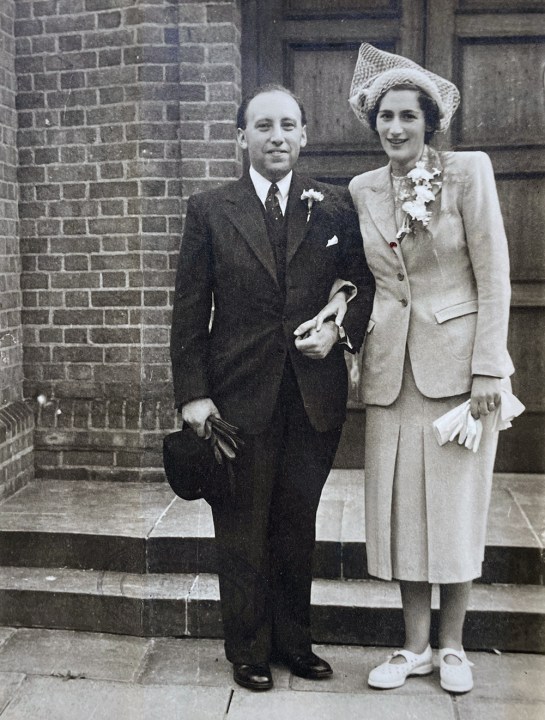
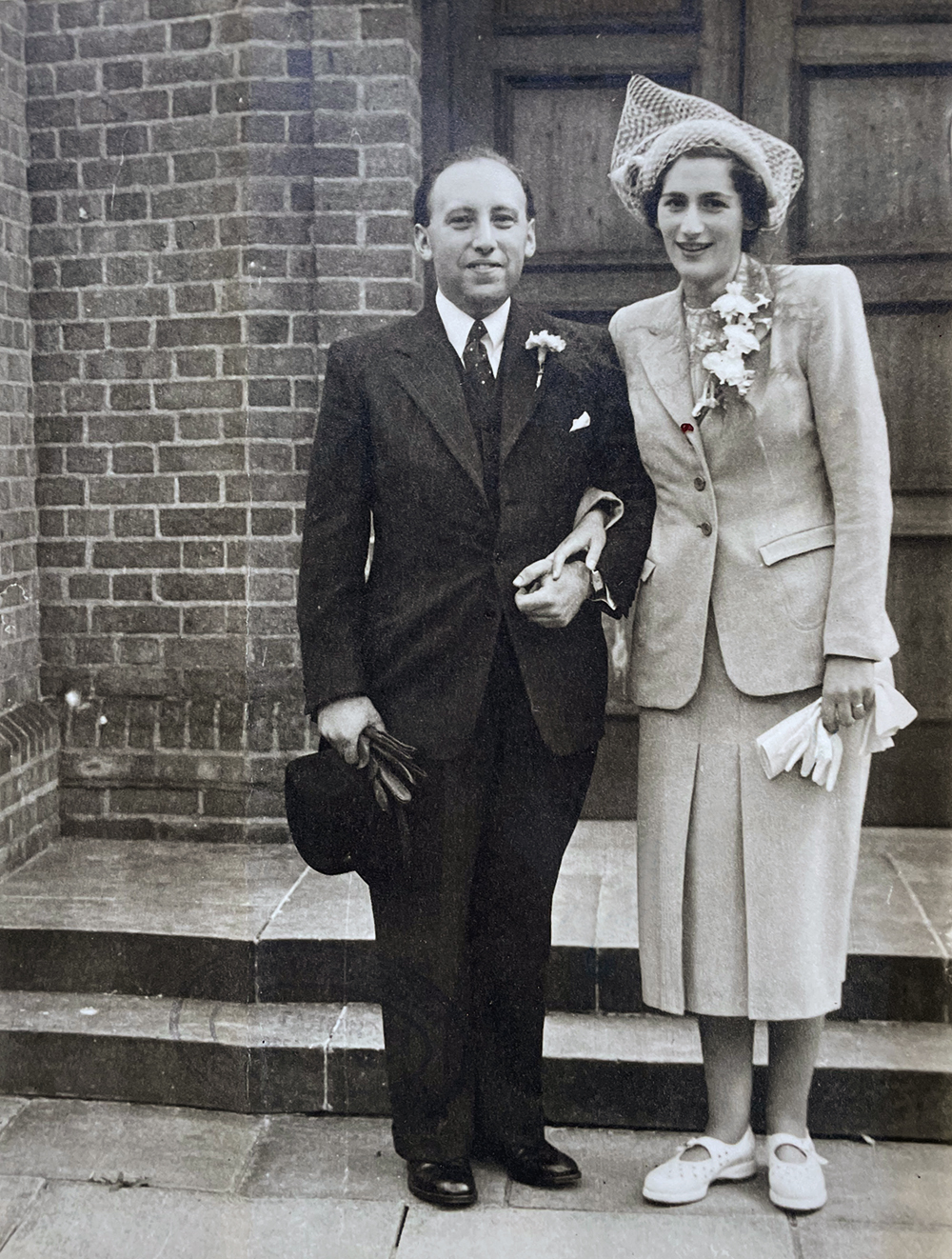
Michael Moritz, one of Silicon Valley’s most successful venture capitalists, really has got it in for Donald Trump. America is currently in a ‘dark age’ of authoritarian governance, he claims, which spurns legality and liberal do-gooders everywhere. As a lifelong Democrat, Moritz was appalled when, in 2017, Trump failed to denounce the alt-right protestors who chanted ‘Jews will not replace us!’ at a torchlit rally in Virginia. Understandably, Moritz is alarmed by the tide of anti-Semitism today. His Jewish parents narrowly escaped death in Hitler’s Germany when they came to the UK on the Kindertransport. The 71-year-old Moritz now asks the question: how long before the iron-studded jackboot returns to Europe?
Ausländer (meaning ‘alien’ in German), half memoir, half anti-Trump harangue, unfolds in present-day America where Moritz has worked for half a century, first as a journalist, then as a director of Google, PayPal, LinkedIn and Yahoo!. In it he examines a trove of family documents, including swastika-stamped identity cards, in an attempt to ‘make sense’ of his past and the sorrowful legacy left by Jewry’s destruction. His father, Alfred Moritz, lost both his parents to the Nazi death camps; they were taken away, with yellow cloth stars stitched with Jude to their lapels.
In vivid, sharply written pages, Moritz conjures the beery carnival atmosphere of his father’s Bavarian hometown in 1933 when Hitler Youth joined Aryan Fraüleins and pig-tailed schoolgirls in burning books deemed hostile to Germandom. Dreadfully, the pyres fulfilled the 19th-century German Jewish poet Heinrich Heine’s prophecy – that wherever books are burned, people will also eventually be burned. With each iteration of Hitler’s anti-Semitic legislation, Germany tipped into greater terror until it became a vast, punitive barracks with Auschwitz at the end of it all. Hitler, a ‘dreary little apparatchik’ in Martin Amis’s formulation, vowed to lead his people out of the Judeo-Bolshevik darkness. In Moritz’s family there was an embittered acceptance that things could only get worse.
Bone-tired and hungry, Alfred arrived in the UK on 20 April 1937, Hitler’s 48th birthday. He settled in Cardiff, after first being interned on the Isle of Man as an enemy alien. The shrunken grimness of life in Cardiff, with its food rations and soot-blackened buildings, was no deterrent to Alfred and his desire to assimilate. He saw the British as decent-minded people who kept open house to casualties in a totalitarian age. He won a scholarship to Oxford and, in order to save money, sewed his own bow ties.
After the fierce trial of Hitler’s Germany, Wales was a place where Alfred could get on with the business of living. He shrank from feeling foreign – who does not? – but the effort required to fit in was exhausting. Like many refugees to these shores, Alfred was constantly aware of the manner of speech that would betray his non-English identity. The slightest misstep would reveal the foreigner’s failure to understand how the system worked.
The 71-year-old Michael Moritz asks: how long before the iron-studded jackboot returns to Europe?
He met his German Jewish wife Doris (née Rath) in Cardiff in 1953 and Michael was born there a year later. ‘Neither of my parents ever complained about their misfortunes,’ the author says, with some amazement. If their persecution in Nazi Germany remained largely unexpressed it was because trying to forget was their best defence against further sorrows (something which has been forgotten, after all, no longer has the power to hurt).
Doris was so thrifty in the home that she ironed gift-wrapping paper for future re-use. In photographs, she often wears an expression of baleful incredulity: did I really escape Hitler? Everything in her Cardiff existence radiated the most careful parsimony. She taught immigrant Pakistani children in a number of local elementary schools, where she became known for her stringent pedagogic ardour. She bore grudges all her life and disapproved of the great wealth her son accumulated in tech-savvy northern California. ‘Why can’t you be like everyone else and buy a normal house?’ she complained to him. For 30 years she worked as a volunteer in a Cardiff charity shop.
Ausländer, a restlessly enquiring and at times strikingly poetic book, sounds a warning against the totalitarian temptation. Truth and language – the very historical record – were abased by Hitler to produce the results he wanted the German people to hear: that Jews were a noxious bacillus. Murderous anti-Semitism had happened once; it can happen again, Moritz seems to be saying. The gangsterish ethos of the Beer Hall putsch is never far away in parts of eastern Europe today. But Trump remains the book’s chief bogeyman. This ‘vindictive, selfish and humourless man’ has gulled the American nation with his rabble-rousing and become arch master of a new politics-as-spectacle. He is the Messiah come to bring America to its mighty destiny. Or not.
Comments