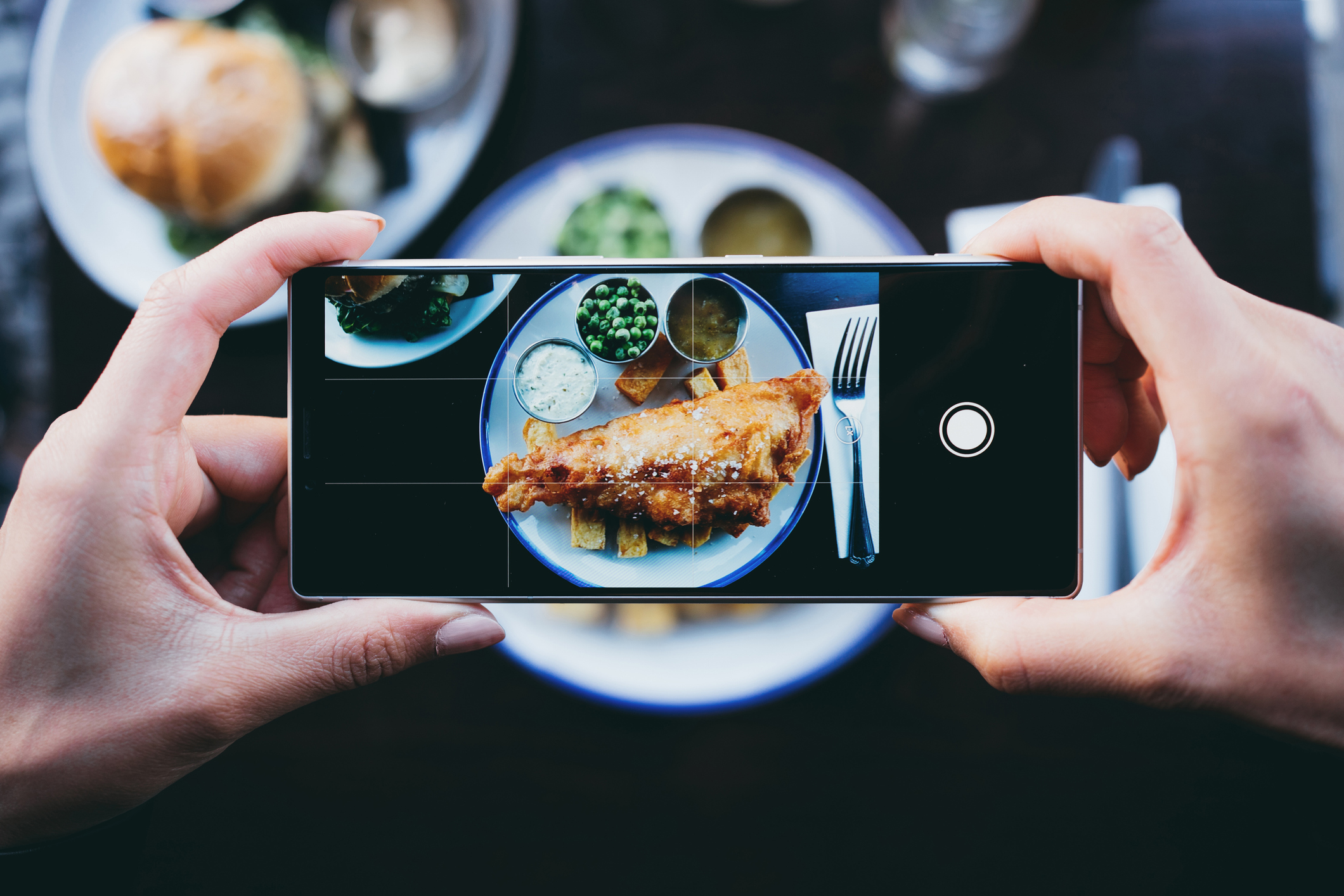
At Gordon Ramsay’s launch party for his new Netflix show, Being Gordon Ramsay, influencers could be found in every corner of the room. Soon after getting another ‘lemongrass cha’ and walking past Victoria Beckham, I came face-to-face with Eating With Tod, a man whose wide-eyed hand rubbing and hyperbolic cries for enormous dinners has earned him 2.3 million followers and counting – impressive however you bill it.
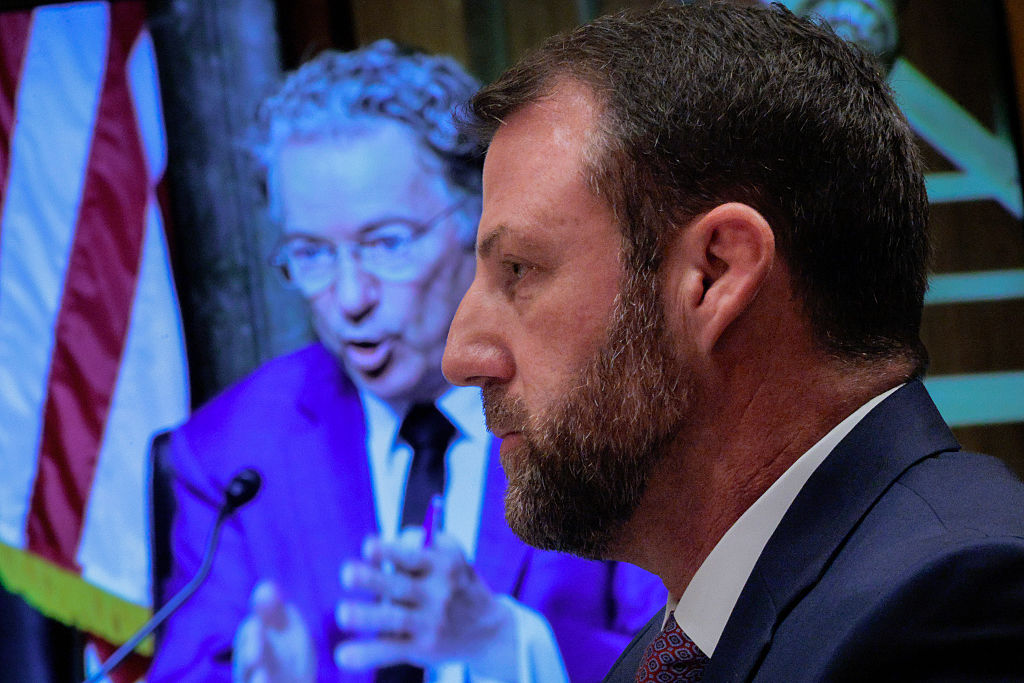
Next to Ramsay, near the pulled pork bao station, was Jesse Burgess, one half of Topjaw and the presenter on another one of the chef’s food programmes Knife Edge on Apple TV. Topjaw is just shy of one million followers now, a tour de force for chefs who want to talk up independent restaurants and denounce desultory chains. And then, among many others, there was Henry Southan whose social media stardom was propelled by appearing in series 20 of Big Brother; Paul Brown, an American food blogger in a cowboy hat; and Phoebe Gillett, whose exploits with her father has won her fame on TikTok as well as a place on Ramsay’s latest show. In one scene, Gillett manages to persuade Ramsay to skate about in a pair of ‘wheelies’. It really couldn’t be further away from Boiling Point.
Until now, I’ve mostly ignored social media influencers, continuing to write about food for newspapers and magazines. And I don’t intend to stop. You’re looking at a millennial who still doesn’t understand Bitcoin and has never been on Hinge. But more fool me, influencers aren’t going anywhere, and their impact has been seismic. Beyond the dialogue around ailing tension spans and the loss of nuance is something clear as day: people like watching videos. Maybe journalism and content needn’t be mutually exclusive. Actually, maybe it’s really not that complex.
After all, not all content creation is tedious and irritating; not all influencers turn up unexpectedly with a ring light and a tripod. Entitlement is one of the world’s most unattractive qualities, yet I didn’t see any semblance of it at Lucky Cat, on the 61st floor of 22 Bishopsgate where Ramsay held his party. People just seemed happy to be there, sipping white wine and eating spicy tuna maki. People didn’t even have their phones out much. It was all quite analogue.
I’ve talked to a lot of chefs and restaurateurs about influencers lately. Mostly it’s down to the veteran restaurateur Jeremy King, of Arlington, The Park and Simpson’s in the Strand. King recently compared their proliferation within the hospitality scene to an ‘influenza-like outbreak’ and said, ‘We started to notice guests coming in with what appeared to be the sole purpose of taking and posting fashion photographs, using the restaurant as a background’. King goes further, ‘When I remonstrated with one particularly entitled woman, she told me that she could do whatever she wanted because it was a public place and that I should be grateful for her shooting footage.’
Not all influencers turn up unexpectedly with a ring light and a tripod
This sounds unbearable indeed, though much the same as any other industry; not all influencers are insufferable as those who have been plaguing King. There is merit to creativity and in 2026, we should probably embrace it. The good food videos are just that: good. And if they help support a struggling industry, well, I’m not sure it’s all so bad.
Ramsay, who has history with professional restaurant critics – he famously expelled the late, great AA Gill from his restaurant after taking umbrage with the writer’s acerbic pen – has by contrast expressed cordiality with influencers for some time. In Being Gordon Ramsay, he says of a preview party at 22 Bishopsgate: ‘The hard hat party was designed to fuck off every food critic in the country… After 25 years of restaurant bashing, the influencer event was a clear move to say thanks but no thanks.’ The event, for ‘100 of the most powerful influencers’, was created by Ramsay to strike a chord with commentators who use lenses rather than keyboards. ‘A lot of chefs hate these influencers because they don’t understand where they are going with their phones and the constant posting, but they are very powerful. They don’t take six weeks to fill a restaurant. They post and it’s gone viral and gone in seconds to the other end of the world. They are the most powerful critics on the planet today.’
I don’t wholly agree. Long live print. But there’s a place for influencers at the table now too, whether we like it or not. I might even cave and agree to a phone upgrade. My iPhone 12 didn’t do the food justice at all.

Comments