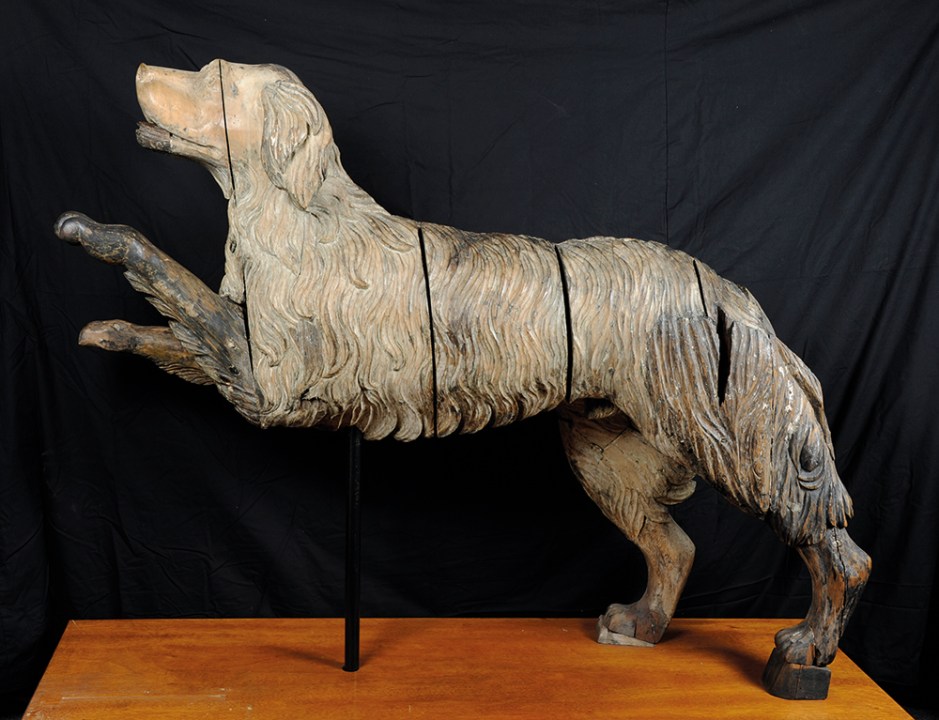
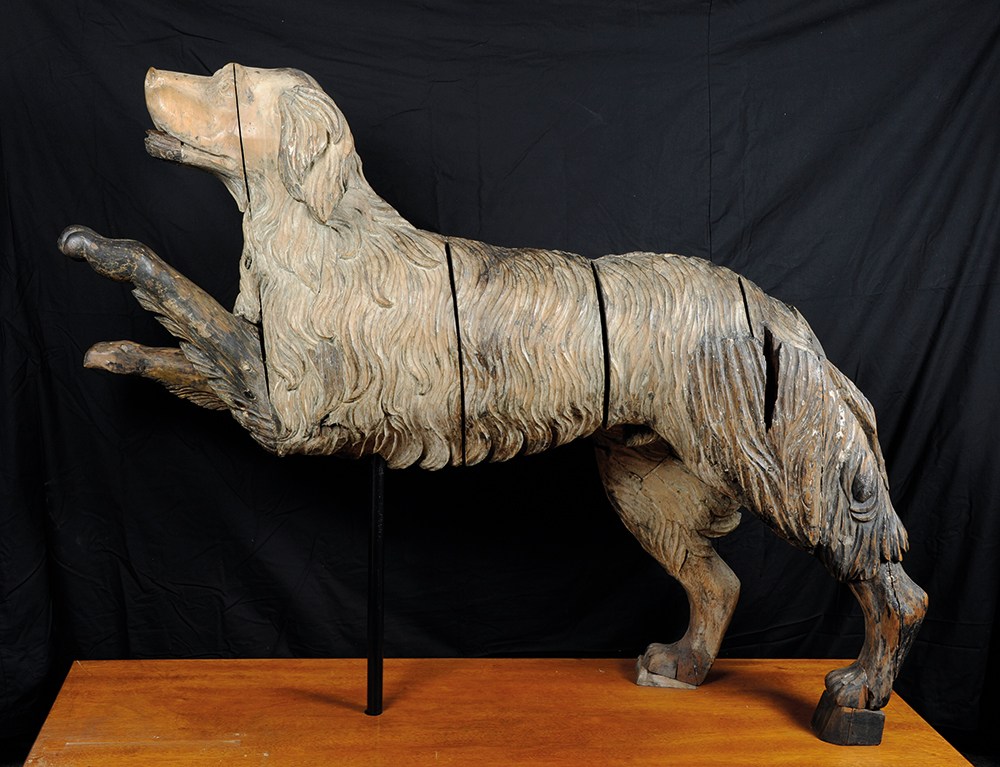
Hull is a city of many quirks, but I didn’t expect a mermaid. Seriously: an actual mermaid, mounted in a case on the top floor of the Maritime Museum. From head to fishtail she’s about a foot and a half tall, and look away now if you treasure your illusions, because even allowing for the taxidermy process it’s clear that Disney has not been entirely frank with us. Her skin is leathery and the colour of tar. Her glass eyes stare beadily, and she bares tiny teeth in a silent, eldritch shriek. ‘Probably a monkey stitched to a fish,’ the curator told me. The Spectator always gets the inside track.
Two old favourites – the stuffed polar bear known to locals as Erik and a 40ft right whale skeleton – are back
Still, there are no spoilers on the signage. Hull Maritime Museum re-opened this month after a six-year £20.4 million rebuilding project and, across three floors dealing with the 800-year sweep of Hull’s relationship with the sea, it’s not short on information or artefacts. New exhibitions have been created, handmade furniture has been commissioned from local craftsmen and the Museum’s home – a noble Victorian wedding-cake, smack in the centre of the city – probably hasn’t looked so spruce since it was built (in 1871, as the headquarters of Hull’s massive dock complex). No corner is wasted: more objects from the museum’s collections are on display than at any time in its history.
Occasionally, as with the mermaid, they choose not to tell the whole story – to let the imagination supply its own. This is a museum with the Pitt Rivers factor; a treasure–house of extraordinary objects, with captions that explain purpose and provenance but which steer clear of simplistic moralising about the past. That’s no small feat given that the most spectacular exhibits come from Hull’s long and lucrative history as a whaling port. Two old favourites – the stuffed polar bear known to locals as Erik and a 40ft right whale skeleton – are back. But the whale now flexes in mid-air as if swimming; a representation of a living creature rather than bones dumped on a beach.
]Around Erik and the whale, the harpoons, hooks and flensing-knives of the whaler’s trade are presented as what they are – tools of a dangerous and highly skilled industry, once vital to Hull’s (and Britain’s) economy. Any further conclusions are your own. Certainly, I didn’t anticipate the many objects – sealskin floats, handmade kayaks – that link Hull’s whalers and fishermen to the peoples of the Arctic. They’re relics of a seafaring tradition that produced polar explorers (Hull men sailed with Shackleton and Scott, and their personal effects are on display), as well as the sailors who crewed auxiliary vessels in both world wars and the Falklands.
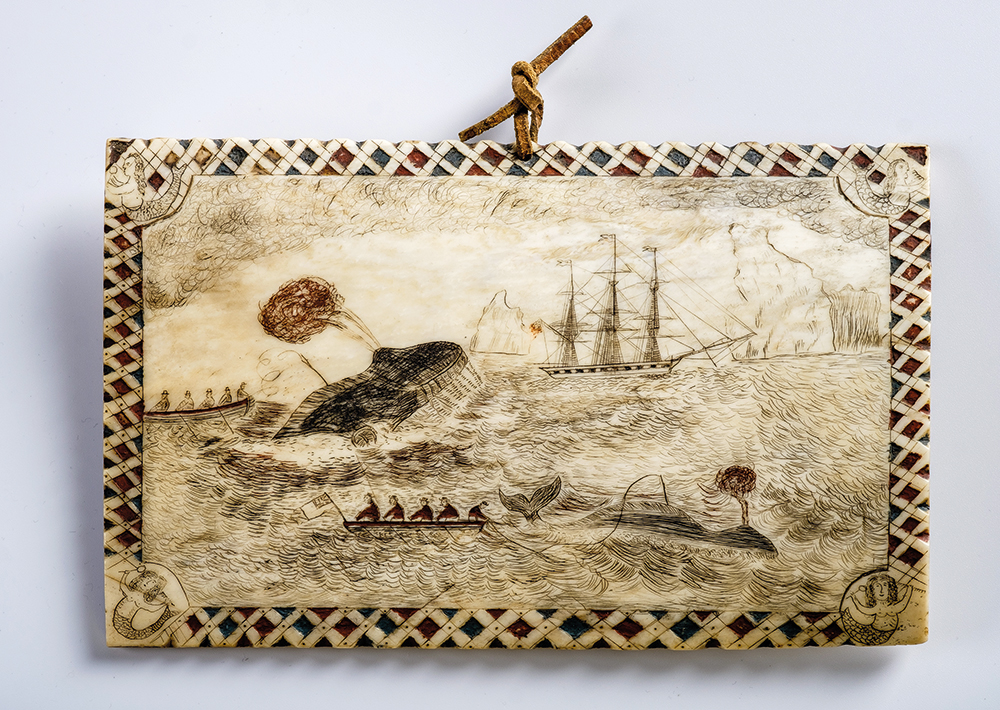
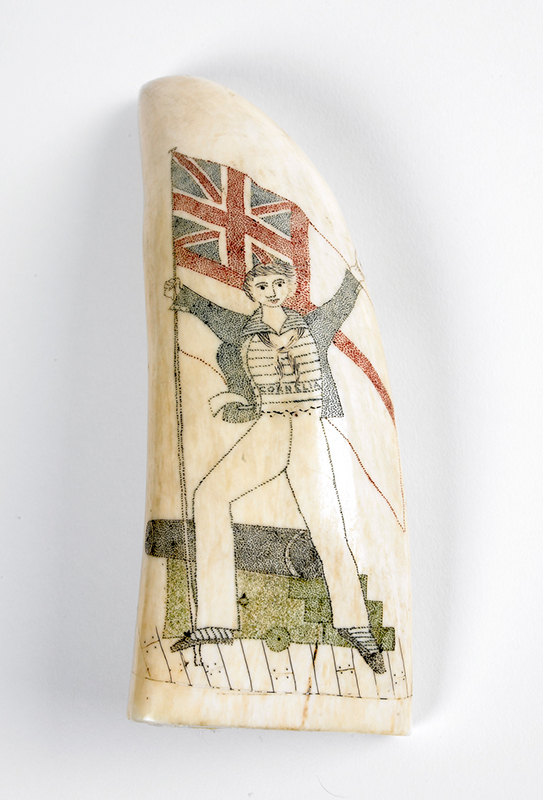
Fish, unsurprisingly, are absolutely everywhere in the museum – whether virtual cod swimming beneath your feet as video art, or a giant tuna skeleton in a glass vitrine. Ship models and figureheads abound, including a wild-eyed Benjamin Disraeli. And Hull has Europe’s largest collection of scrimshaw: the seaman’s art of engraving on ivory or whalebone. The pieces are arrayed like Sèvres porcelain in a single grand display, and the range of subjects is startling – a glimpse into minds shaped by hard lives and impossible sights. You’d expect ships, sea creatures and ‘esquimaux’, and you’re not disappointed. But what’s with the carving of a warlike (and naked) Achilles, or a tusk embossed with Union Jacks and images of the Sacred Heart?
In short, it’s the kind of museum that makes you want to ask questions, and then set out on adventures. They’ve thought of that, too. Walk from the museum across the former Queen’s Dock – closed in the 1930s and remodelled by Frederick Gibberd (the Liverpool Cathedral architect) in the 1960s as a modernist water garden – and from next spring you will be able to board Arctic Corsair, the last of Hull’s deep-sea sidewinder trawlers. A veteran of the Cod Wars that doomed Hull’s centuries-old fishing industry, it’s been restored and is now permanently docked in the former North End Shipyard. You can still see the scars where it rammed an Icelandic patrol boat.
Come 2027 it will be possible to explore every corner of this ocean-going 1970s time-capsule, from the cavernous Fish Room to the crew’s avocado-coloured bathroom suite (I did say 1970s). For now, the 1927-vintage Spurn Lightship is afloat nearby; it’s already open and you can feel the decks rock beneath your feet. When Arctic Corsair opens, the narrative will be complete: a riveted steel symbol of a city that takes pride in its story and is willing to think big when telling it.
Moving the Corsair into its final home required two Humber tugboats, a new 50-ton lock gate and the industrial dredging of some 3,500 cubic metres of silt from the River Hull. And you thought that today’s museum curators lacked confidence.






Comments