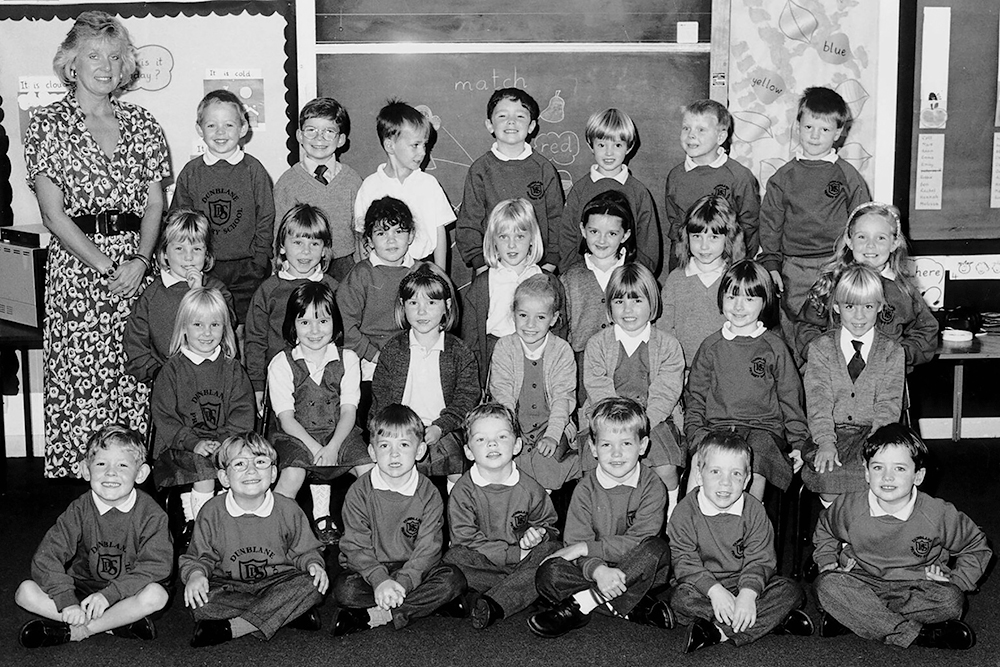
Shortly after 9.30 a.m. on 13 March 1996, a man walked into the gymnasium at Dunblane Primary School, near Stirling, Scotland. He was armed with two 9mm Browning self-loading pistols, two .357 Smith & Wesson revolvers and 743 rounds of ammunition. Within three or four minutes, he’d fired 105 rounds, resulting in the deaths of a teacher, Gwen Mayor, and 16 children. A further three teaching staff and 14 children were injured. He then took his own life.
It could have been a great deal worse. There was a suspicion that he intended to kill most of the school’s 600 pupils but that he’d arrived a few minutes late for assembly, by which time most of the children had dispersed to their classrooms.
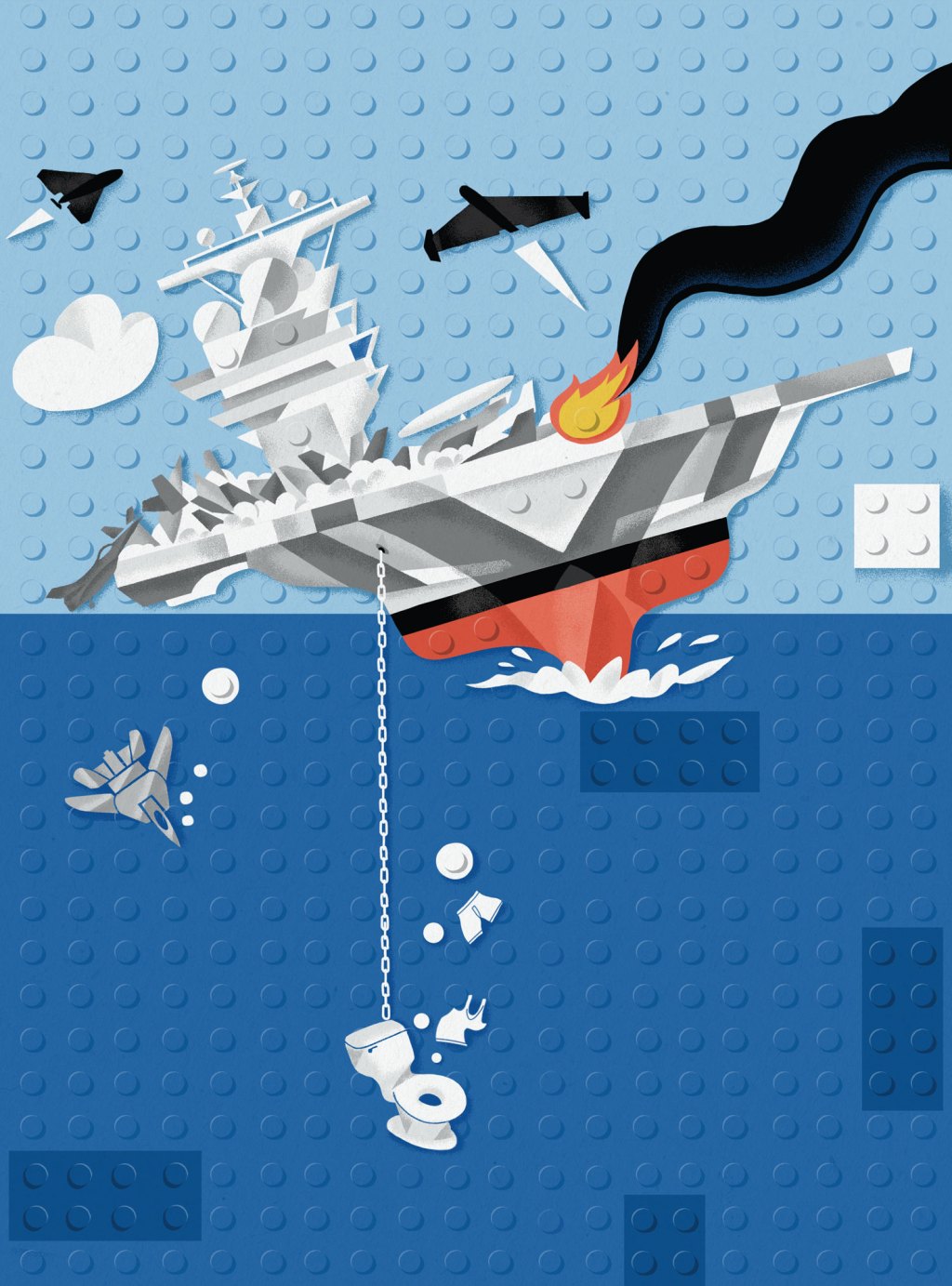
The man was Thomas Hamilton, an oddball well known in Dunblane for running boys’ clubs and for making his young charges exercise wearing nothing but black shorts (in which he had long been in the habit of photographing them). There was no hard evidence that he was molesting them. Nevertheless, rumours swirled. He found it increasingly difficult to book premises for his boys’ clubs, and the suspicion was that this act was his idea of revenge.
Unsurprisingly, the sight of so many innocent lives snuffed out led to a huge public outcry, with demands for much tighter restrictions on the possession of firearms. The government’s instinct, prompted by the Home Secretary Michael Howard, was to do as little as they could get away with. An inquiry was set up, presided over by the distinguished Scottish lawyer Lord Cullen.
The families, not content to wait for the inquiry’s findings, organised a campaign of their own, which resulted in a petition with more than 700,000 signatures calling for a complete ban on handguns. In response, the gun lobby, in the shape of the British Shooting Sports Council, launched a £500,000 advertising campaign, the gist of which was that ‘a democratic society should not punish its law-abiding citizens for the misdeeds of an individual’. What was needed, it was argued, was stricter enforcement of current laws rather than an outright ban.
The debate became increasingly emotive. A spokesman for the more militant British Shooters’ Rights Association compared the position of shooters in the UK to the persecution of Jews in Nazi Germany. ‘We might as well wear a yellow star,’ he said. Campaigners for a ban were showered with abuse and death threats.
Meanwhile, the Home Affairs Select Committee, of which I was a member, decided to conduct its own inquiry. It soon became clear that the committee was split precisely along party lines. I had not appreciated until then the extent to which the Conservatives were in hock to the gun lobby. By six votes to five the Tory members opted for a report suggesting that nothing much needed doing about anything.
To the dismay of the families, Lord Cullen also failed to recommend an outright ban. He proposed instead a complicated arrangement whereby handguns should be dismantled, with cylinders to be kept securely at an approved gun club, or the fitting of a locked barrel by a club official. He did, however, add that if such a system proved impractical, handguns should be banned. Faced with this, the government began to wobble.
I had not appreciated the extent to which the Conservatives were in hock to the gun lobby
Among politicians, the hero of the hour was the Scottish secretary, Michael Forsyth, who, along with his Labour counterpart, George Robertson, behaved with dignity throughout. Forsyth favoured an outright ban and made it clear that he would resign if the government refused to budge. Initially, the government opted for a compromise – a ban on all handguns over .22 calibre. Those under .22 would be permitted only in clubs which could meet the highest standards of security. This satisfied no one. Forsyth found himself on the receiving end of ‘virulent hostility from his own party and sackloads of hate mail from both pro- and anti-gun campaigners’. It was left to the Labour government two years later to introduce a complete ban.
One Morning in March is a page-turner. Stephen McGinty has scrupulously documented each step along the road to catastrophe, introducing the reader to everyone involved. One can feel one’s heart racing as the narrative moves towards the dreadful climax. With hindsight, there were plenty of opportunities when Hamilton might have been stopped. As early as November 1991 detective sergeant Paul Hughes had put together a list of ten possible charges against Hamilton. They ranged from various physical assaults at his boys’ camps to the obstruction of justice. None of these cut any ice with the prosecutor fiscal.
Hughes had also discovered that Hamilton owned a large collection of guns and ammunition, and wrote to his chief superintendent suggesting that his firearms certificate be withdrawn on the grounds that he was ‘an unsavoury character and unstable personality… with an unhealthy interest in young boys’ and that he posed a risk to children whenever he had access to them. He received no reply. It later emerged that his memo was marked ‘No Action’. Even so, he claimed no credit for foresight. Six years later, giving evidence to the Cullen Inquiry, Hughes, by that time a chief inspector, said: ‘I never imagined at all that anyone would have been capable of doing what happened on 13 March.’


Comments