A sigh of relief at this point may prove premature, but perhaps we can permit ourselves a modest expulsion of breath. So long as we do it slowly and inaudibly, and without making any sudden movements.
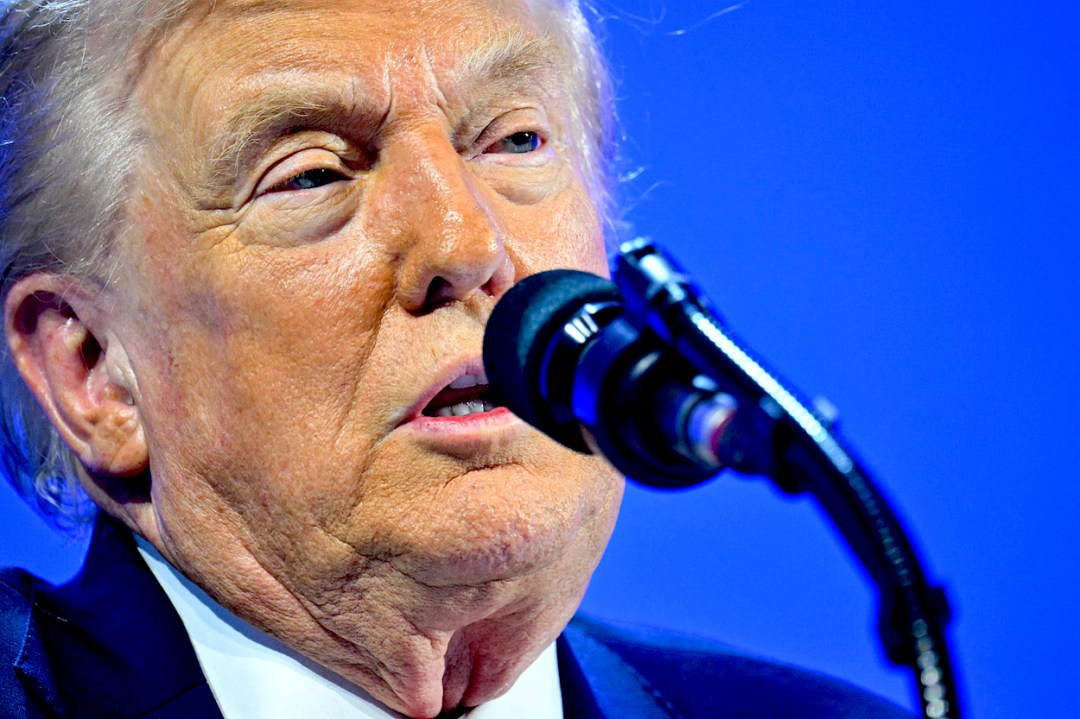
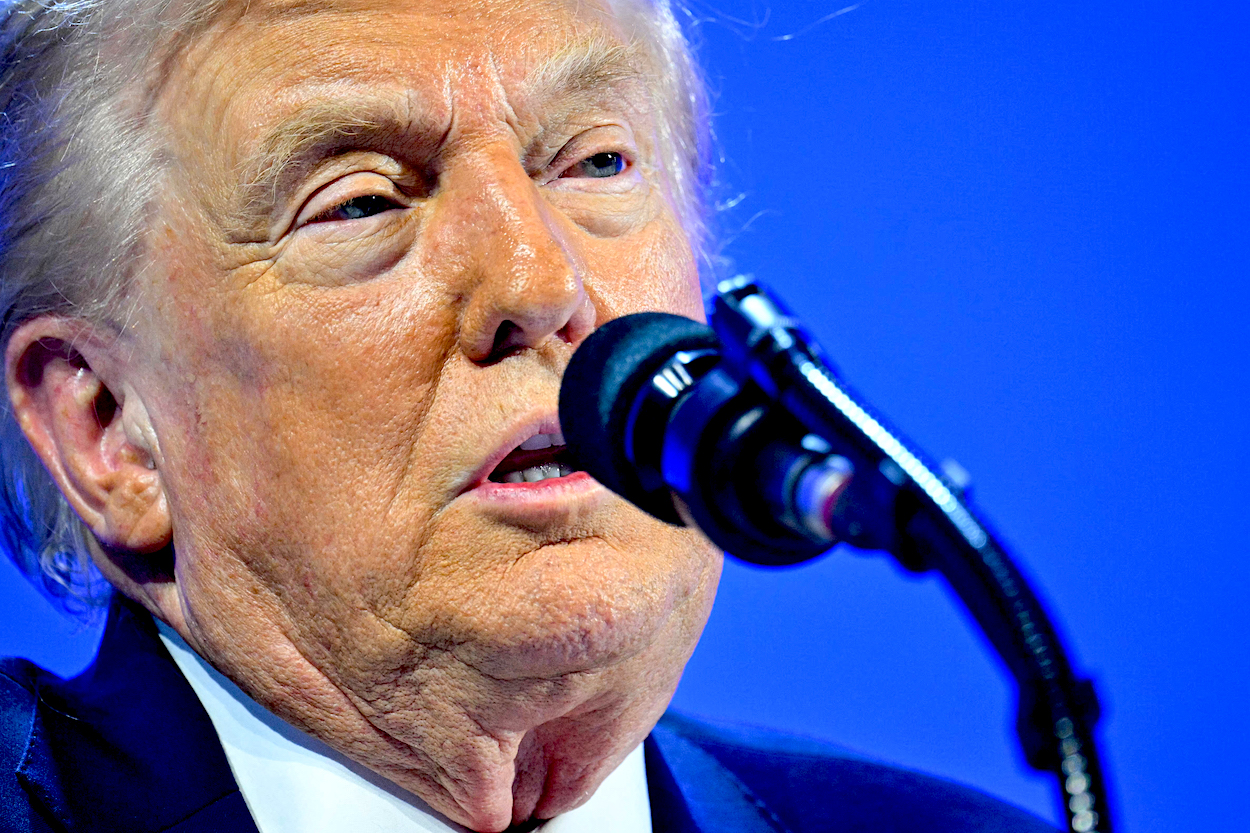
At the time of writing, Donald Trump has just finished his address at the World Economic Forum at Davos, where he managed to speak for just over 40 minutes without fundamentally pulling the rug from under the constitutional order of Europe. Despite being highly critical of the entire political and economic trajectory of the continent, many European heads of government will be quietly relieved that this big set piece statement did not include any catastrophic bombshells.
The first week of January 2026 will probably be remembered as the high-watermark of Trump’s political acceptability in Europe, in the aftermath of his dramatic capture of Nicolas Maduro from Caracas. The following week dashed that, as the administration reiterated that it intended to secure Greenland for the US as part of its national security strategy; suddenly events in Venezuela began to look more like a statement of intent than an end in themselves. This signalled a change in the political weather in Europe for which its leaders are obviously and profoundly under-dressed.
In that context, Trump’s Davos speech feels like a step back from the brink. He reiterated his intention that America would ‘acquire’ Greenland, but he did so in a way that recognised Danish sovereignty, at least at the moment. He explicitly ruled out the use of American force in the process, but took the chance to remind the audience that American force would be crushing if he did deploy it. But he wasn’t going to. Out of all of the things he could have said today, this was the single most important and necessary statement.
The rest of the speech was familiar Trump fayre. He stressed his economic achievements at home, particularly the reduction of the American trade deficit through the application of tariffs; he made familiar comments about Europe’s waywardness and decline as a result of green energy policies and immigration, and he reiterated his usual comments about Nato being useless to America. He reminded Europeans that, without America, we’d all be speaking German – which presumably many in the audience did anyway.
Europe is clearly in a jam. America is antagonised by its weakness, ill-preparedness and decadence. Europeans now perceive that they must quickly learn to defend themselves not just from traditional threats without American help, but now also from America itself. To put themselves in such a position, wholesale structural reforms must be undertaken to the economic, political and military settlement in almost every European nation. But the forces of political change in the continent are, fairly or unfairly, so closely associated with Trump in the minds of domestic voters that his actions are likely to lock-in the politics of the disastrous status quo for another generation.
Doing absolutely nothing is a task that sits well within the skills set of Europe’s current leadership. Saying absolutely nothing is one they are less well practiced at. Aside from hair-brained ideas about energy, many of the continent’s problems stem from its leaders’ tendency to prioritise getting through the next few days and weeks over addressing any long-term strategic problems. Yet on this particular issue, that is literally all they should concentrate on. European politicians should leave it to journalists and commentators to analyse Trump’s speech – preferably in the sort of languages that nobody speaks. The leaders themselves should hone their poker faces. This should come easy to Emmanuel Macron from behind his sunglasses.
The Trump administration’s dramatic start to the year, with major interventions in foreign policy, suggest a White House that is keen to assert its potency both to Trump’s opponents and to his allies as the race to succeed him starts to heat up. American decisiveness abroad may cause chaos for foreigners who get in the way, but it is primarily a means of domestic political communication, and the message is clearly intended to be read that Trump is not a lame duck yet.
He took the chance to remind the audience that American force would be crushing if he did deploy it. But he wasn’t going to
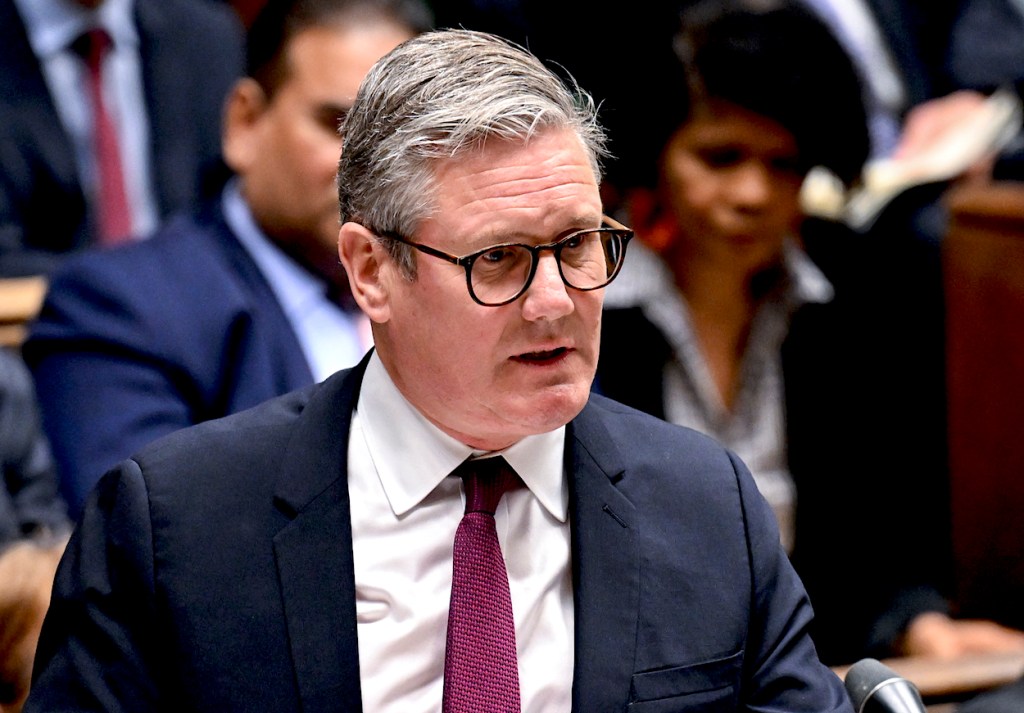
The President’s tactics over the last two weeks have consisted mainly of whacking down any European leader who shows any sign of sticking their head above the parapet. There are a wide variety of moves that the Europeans could make at this stage, most of them insubstantial, to signal that they are not going to be pushed around. But the option of just not doing anything is on the table, and for once the path of least resistance might just be the correct one. It may seem timid or craven, but that might just be our lot for the time being.
Europe’s leaders may, however, see this as an opportunity to act in their political self-interest. A showdown with the US could trigger a recession across the West and collapse Nato, but perhaps hurt their domestic populist and reformist opponents.
A year or so ago, it seemed that Trump’s re-election would bolster the position of the alternative right and the politics of anti-immigration in Europe. But following the undoing of Pierre Poilievre’s apparently unsurmountable poll lead in the Canadian elections, and the victory of Labor in Australia, Trump looks more like the kiss of death for European populists. So far, the only concrete result of Trump’s Greenland theatrics is that Denmark’s main anti-immigration party has lost ground in the polls. Europe’s sensible brigade may decide that they have more to gain from a fight than they have left to lose.
Comments