
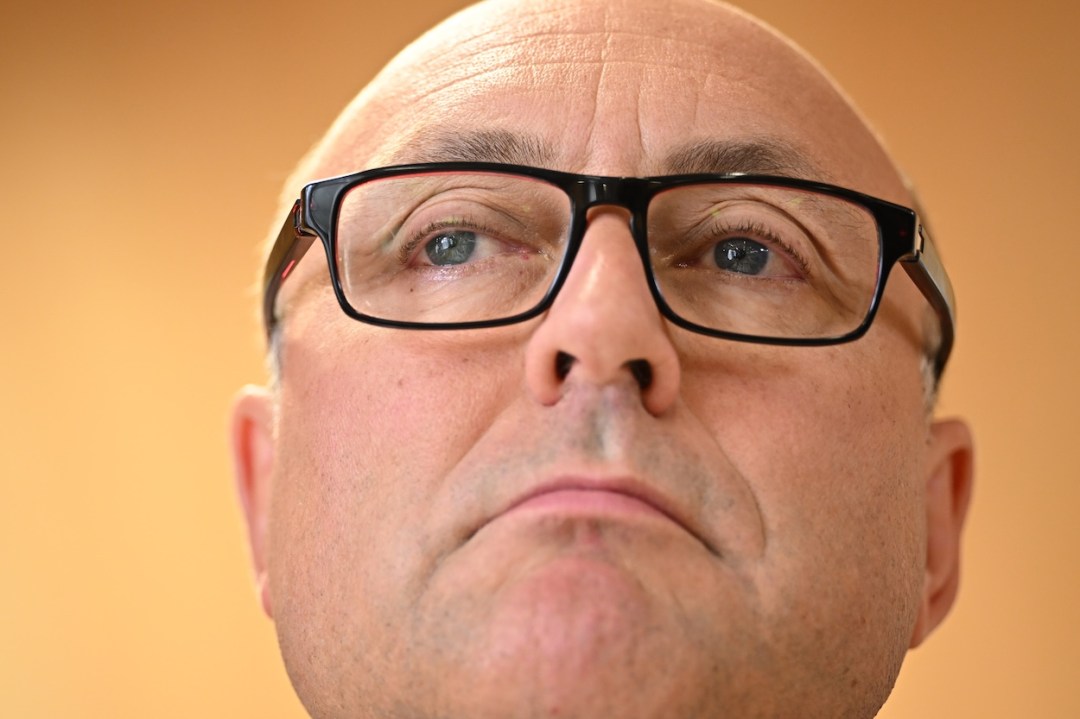
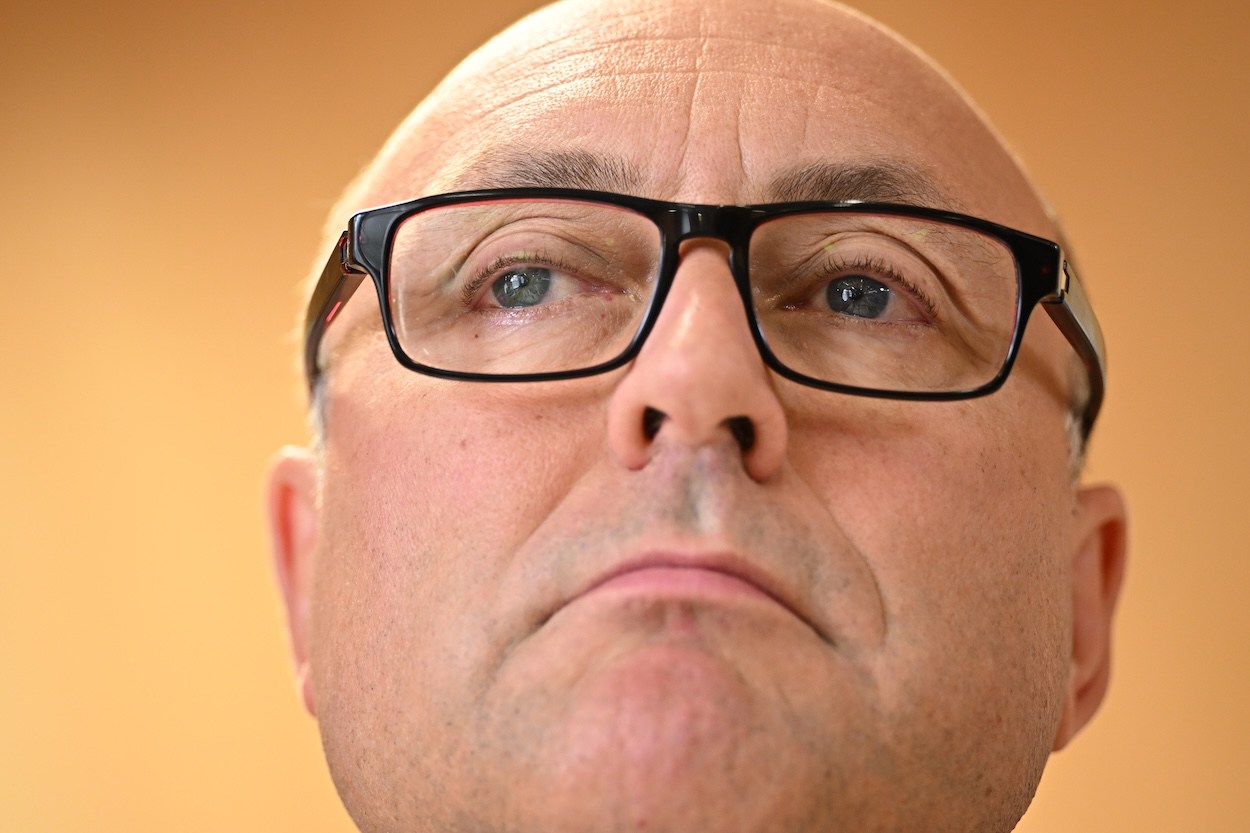
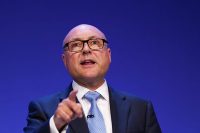
Appointments to the shadow cabinet recall Ernest Shackleton’s job advert to cross the Antarctic. ‘Men wanted for hazardous journey, small wages, bitter cold, long months of complete darkness, constant danger.’ One of those brave – or foolhardy – enough to sign up for Kemi Badenoch’s top team was Andrew Griffith, last month named the new shadow chancellor. Griffith is a successful businessman, ex-Treasury minister and can boast of being the only ex-FTSE100 boss currently serving in the Commons. With a Budget looming in six weeks’ time, this morning he made his first big speech in the role. Griffith opted to play it safe in his first outing, speaking at the Capital City College Group in Tottenham to talk tax, jobs and small businesses.
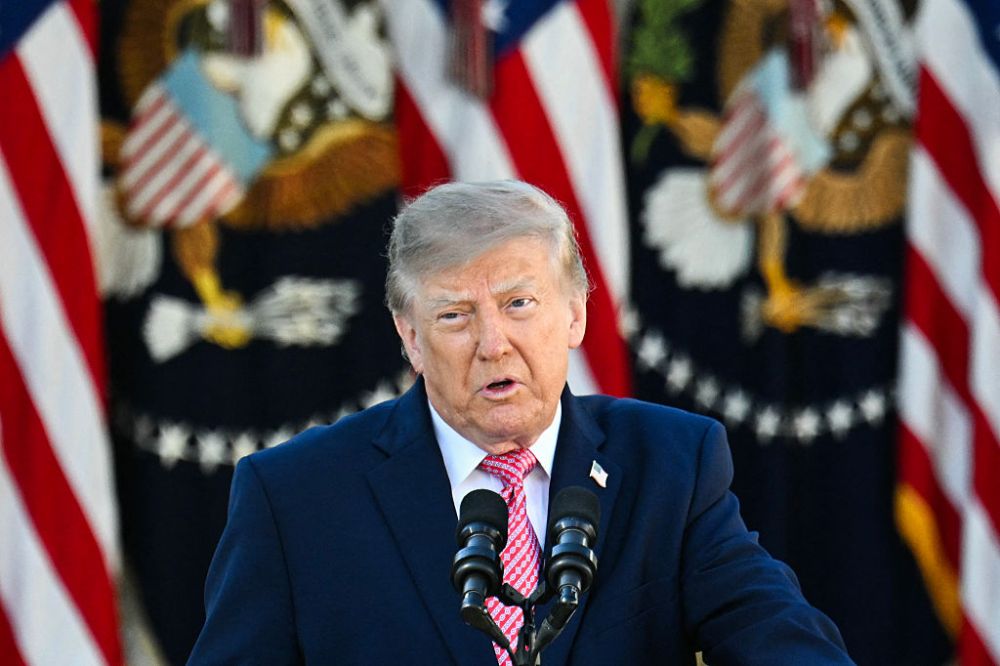
His speech was standard Tory fare: talk of the ‘Conservative values’ of ‘freedom, responsibility, hard work’ and the universal truth that ‘you grow an economy from the bottom up, not the top down.’ His two big announcements were sensible, if not spectacular. The first was a pledge to replace the ‘IR35’ system for small businesses ‘with a new system that respects the right of the self-employed’. A review is underway led by Lord Mackinlay and Robert Colvile, a chartered accountant and policy guru, respectively. Griffith’s second pledge was to pause HMRC from their ongoing efforts to digitise the tax system to ensure they do not ‘export their problems onto the self-employed.’ Such moves were intended to show that Griffith would be ‘a chancellor for small businesses’.
Both policies are worthy but did not excite his media interrogators. Tax dominated the back-and-forth, with Griffith asked, inevitably, what he would be doing in John Healey’s shoes. Unsurprisingly, he was much more comfortable attacking Labour’s economic record than committing to what a future Conservative government would actually do. Like any leading politician, he therefore had to give the appearance of answering a question – while declining to do so on several occasions. He refused to say whether he would lift the bands for income tax, frozen since 2021. He did not really address whether he would stop union bosses being appointed to the Bank of England’s Court of Directors, only arguing the practice ‘feels pretty 1970s’ and ‘it wouldn’t be the first place that I would go with hires’. But he ducked and weaved with a certain aplomb that recalled some of the niftier England centres at Twickenham.
The thread that united the four departures from the shadow cabinet last month – Priti Patel, Nigel Huddleston, Stuart Andrew and Griffith’s predecessor Sir Mel Stride – was that they were all seen as insufficiently dynamic performers. In replacing Stride with Griffith, Badenoch has swapped one sensible, successful, middle-aged businessman with another. Sir Mel always promised ‘responsible radicalism’ – but was seen by the end as having put too much emphasis on the adjective at the expense of the noun. Griffith’s speech was perfectly solid but not spectacular. Given the dire climate facing Healey and haunted memories of the mini-Budget, this is perhaps wise for now. In time though, he will have to show why he is a superior upgrade to the man he replaced.
In days of old, it felt as though the pendulum of British politics would always swing back to the Conservatives, just as surely as night followed day. Now though, there is a threat on the right in the form of Robert Jenrick, the heat-seeking, ever-active Treasury spokesman of Reform. Much of Griffith’s pitch was aimed squarely at winning back the voters who have flocked to Nigel Farage in recent years: hard-working tradesmen and entrepreneurs akin to the Poujadist movement of 1950s France. Jenrick has bet big on lifting the personal threshold to £15,000. For Griffith, he will hope that smaller steps can enable him to make up lost ground to ensure that, as in Aesop’s fable, the tortoise ends up beating the hare.
Additional reporting by Ryan Modarres


Comments