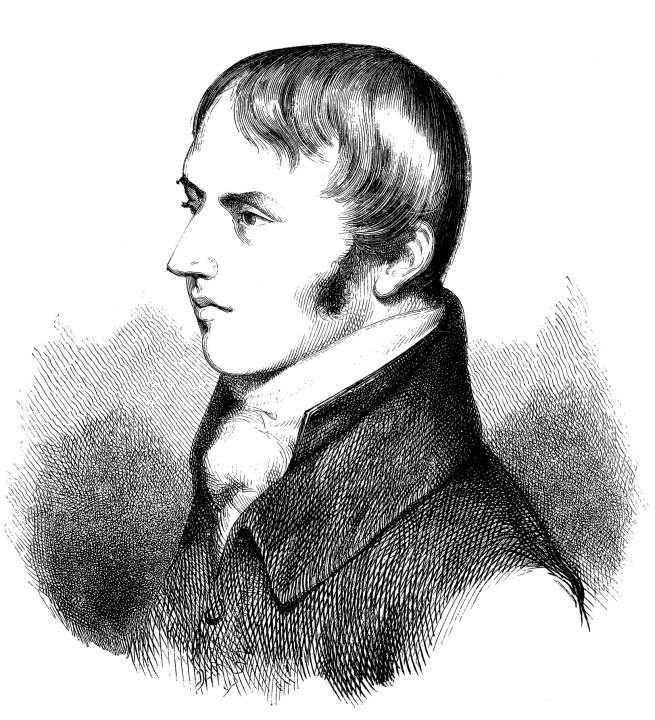
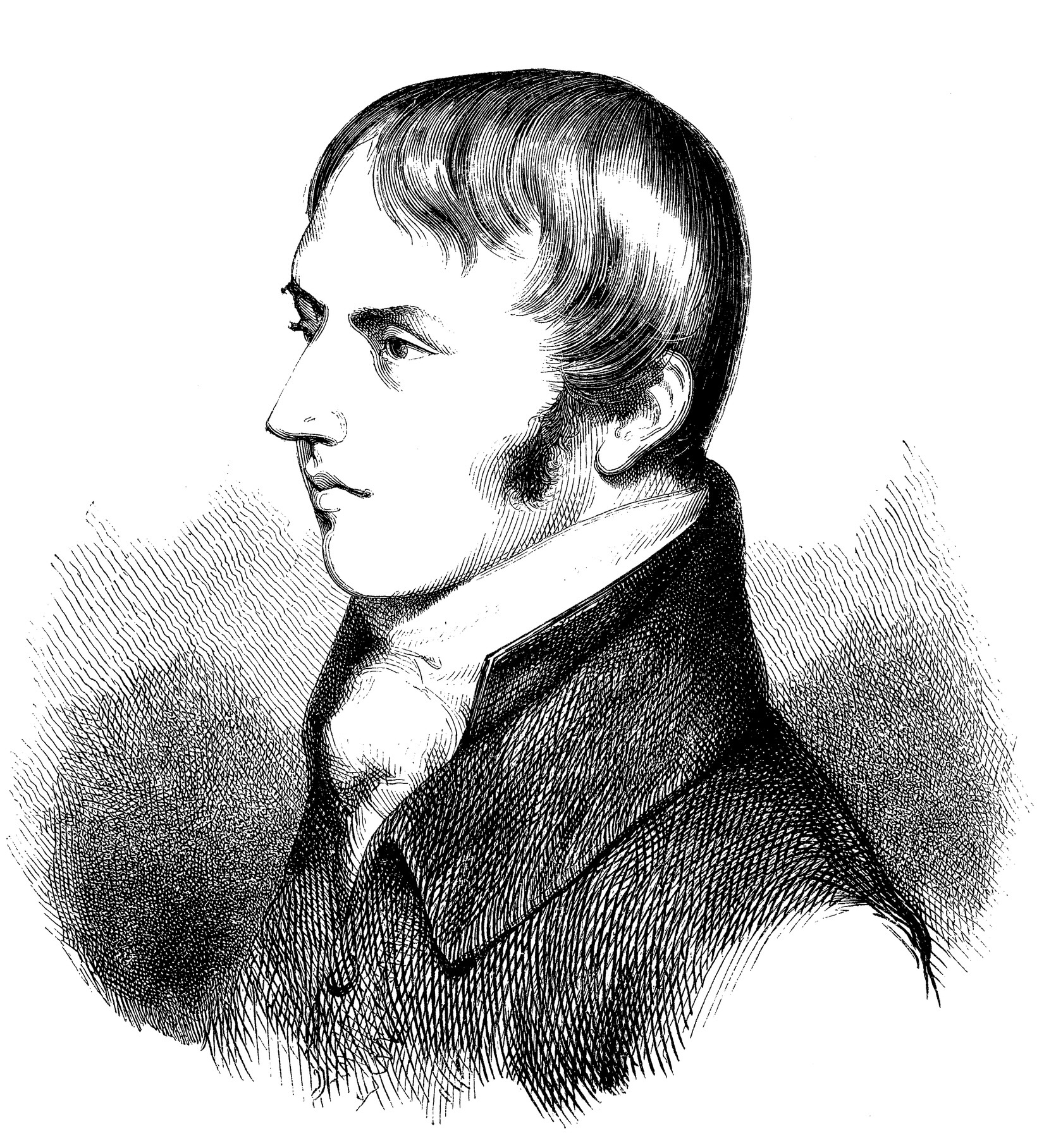
In all the recent hoo-ha about banknotes and who or what to put on them, one name has been curiously absent – that of John Constable. Born 250 years ago this year, he was the son of a prosperous Essex miller and merchant who would rise to become probably the greatest proponent of landscape painting in history.

Where his contemporary Turner – who got the £20 note, of course – had an expressive style that took landscapes towards ethereal impressionism, Constable took nature itself to his heart and somehow made it even better – not unlike a portrait painter flattering his subject.
If we weren’t British, we would probably have a major gallery in his name. But this giant and pioneer of landscape art is so part of our national soul that we take him for granted, just like Westminster Abbey, Hadrian’s Wall or the Houses of Parliament.
What a joy it is then, that Constable’s 250th birthday is here because it means we can rescue him from the cultural bottom drawer and lay out the red carpet properly. Which is what they are doing in Ipswich at the Tudor Christchurch Mansion, where a new exhibition, ‘Constable: A Cast of Characters’ introduces us to the people and painters who shaped Constable’s life and progress – all the way from the Suffolk village of East Bergholt where he was born in 1776 to his career in the Royal Academy.
The exhibition begins with Constable’s parents: portraits of his stolid father Golding and mother Ann, the latter by Constable himself. She is luminous, vivid and steady-looking, and you can only wish that her son did more portraiture. Fortunately, this being Regency England, that is precisely what he did do because like Thomas Gainsborough before him – who lived just 20 miles from Constable in Sudbury – painting people was how artists kept a roof over their heads.
But first we have several more Constables of the family to enjoy: there’s a rich uncle, and then an impressive oil painting of the artist’s younger brother, Abram, from 1806. Seven years his junior, Abram would free John from the burden of taking over the family business and therefore allow him to become the artist he wanted to be.
If we weren’t British, we would probably have a major gallery in the painter’s name
This first selection of works is concluded with a pair of landscapes from 1815 – the year Constable’s mother died – which show the artist’s private world. They are from the upper floor of his parents’ house where he was born: the first looks out over his late mother’s flower garden – shown in shade – with various family buildings in the distance. The second shows the kitchen garden, being worked in by one of the family’s gardeners, with a distant horizon in which is visible Golding’s mill at Flatford – where Constable would later paint ‘The Hay Wain’ (1821) – and the rectory belonging to the Reverend Rhudde, grandfather of Constable’s future wife Maria Bicknell.
The exhibition also contains several more works that demonstrate Constable’s prowess as a portraitist – not least the partner portraits of Emily and Thomas Treslove from the 1820s. From a private collection, these have never been seen in public before. Emily is in her finest gold and garnet jewels (one of which is on show, too) with a pink dress and exquisitely realised chiffon shawl that would make Sir Joshua Reynolds or Jean-Auguste-Dominique Ingres green with envy. Beside them is one of my favourite pictures of the show – again the product of a working artist – of the Cooper sisters (c. 1803), who, shown in the parlour in their Empire line dresses, are Jane Austen’s Bennets by another name.
There are then examples of his work for local churches and studies of nudes, too, before we venture into a wider East Anglian community and meet several of the individuals who mentored the young Constable and helped smooth his path to success. First among these is Elizabeth Cobbold, a member of a wealthy local brewery family. Cobbold was a poet, playwright, geologist and fossil-hunter – a fossil is named after her – whom Constable would visit in Ipswich and thereby became acquainted with her artistic circle. This included George Frost, a coaching manager in Ipswich but, crucially, a prolific artist who would go sketching landscapes with the young Constable and offer him encouragement.
It was also through Cobbold that Constable met the London-based Quaker and philanthropist Priscilla Wakefield and it was she who introduced this ‘model young man – who had a genius for painting’ as she called him to one of the leading landscape artists of the day, Joseph Farington. This paved the way for Constable to attend the Royal Academy Schools in London, kickstarting his career.
The last work on show is something of a mystery: it’s an angelic portrait of Mary Rebow, the daughter of Constable’s patron General Slater Rebow. Although certain documentation is missing, it is believed to be by Constable and it certainly looks the part. Either way, it is a magnificent finale to a show celebrating one of Britain’s most humble painters: a man who, without fanfare, has transformed the way we view landscapes and people in the two and a half centuries since.
Constable: A Cast of Characters runs at Christchurch Mansion in Ipswich until 14 June.




Comments