An AI data centre – imagine a factory of buzzing wires and computing equipment cooled by industrial fans – can consume as much power as a city. It has been estimated that, not too long from now, we’ll require 92 cities’ worth of extra power just to meet the demands of artificial intelligence. Ergo, the heat is on – but so, it is said, is a new cold war.
On Radio 4 last week, Misha Glenny was exploring how the rapid evolution of technology is shaping the rivalry between the US and China. It turns out that the race for pre-eminence – in AI, at least – is as close as the 1973 Grand National. Red Rum (China) has the current lead, but that lead is ‘razor-thin’ and is thought to owe something to the nature of American tactics.
An astonishing 90 per cent of 14-year-olds in China are short-sighted
California-based AI giant NVIDIA is, at more than $4 trillion, the most valuable company in the world. But the Americans’ decision to block the export of their high-end chips to China is said to have propelled the creation of Chinese rival DeepSeek. The latter, made at a fraction of the price, can apparently do the same number of things using a far smaller number of chips, and looks set to have the longer-term economic advantage.
If you are wondering where we come into this, it is worth listening back to the third episode, ‘Europe’s AI Challenge’. Glenny informed us that, while US investments in AI start-ups over the past decade exceeded $471 billion, and China put in $119 billion, the UK was third with $28 billion – which is still a lot more than Germany, Europe’s lead investor. The main cause of the discrepancy? A relative lack of spending here by pension-fund assets.
A question that was never explicitly asked but hovered over the series is whether all this money is well spent. Glenny and his interviewees offered much for the AI-sceptic to chew on; there was a particularly good discussion about the frankly terrifying use of AI chatbots on political websites to influence voting choices. There was also an acknowledgment of the ugliness of a superpower flexing its digital muscle over poorer countries. Although the focus of the series was on the economic and geopolitical consequences of the tech race, it would have been good to hear a little about its cultural impact. There was an allusion to the literal chopping-up and scanning of authors’ books by Anthropic, but not to the successful lawsuit against that company, from which many authors, including me, are due a small pay-out.

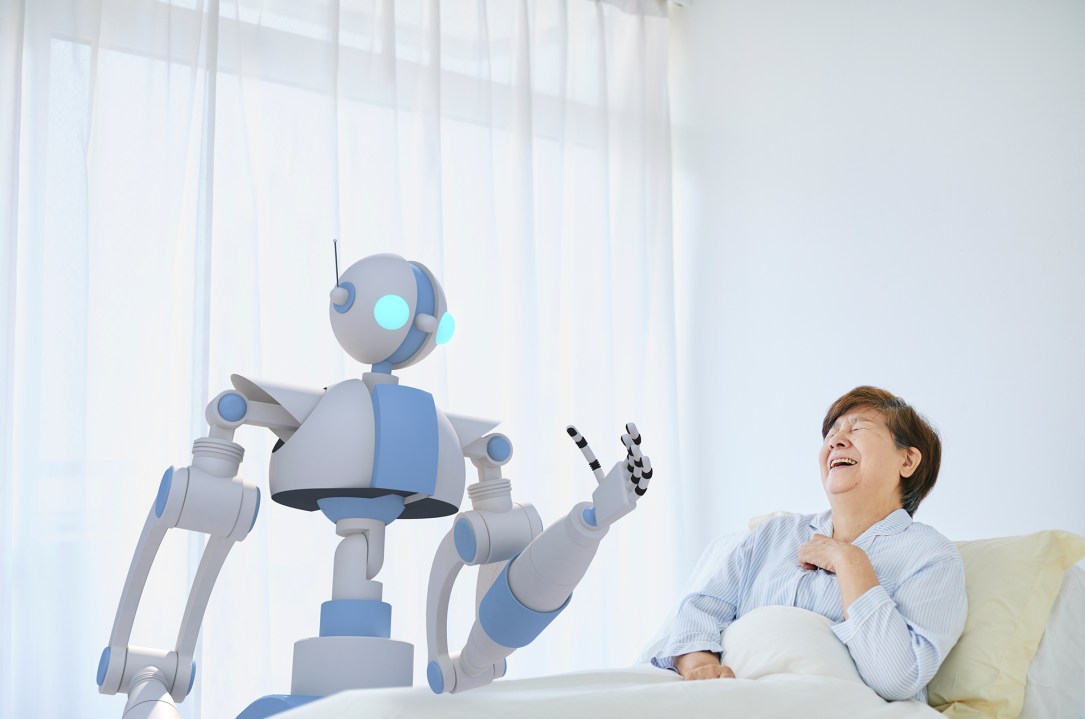
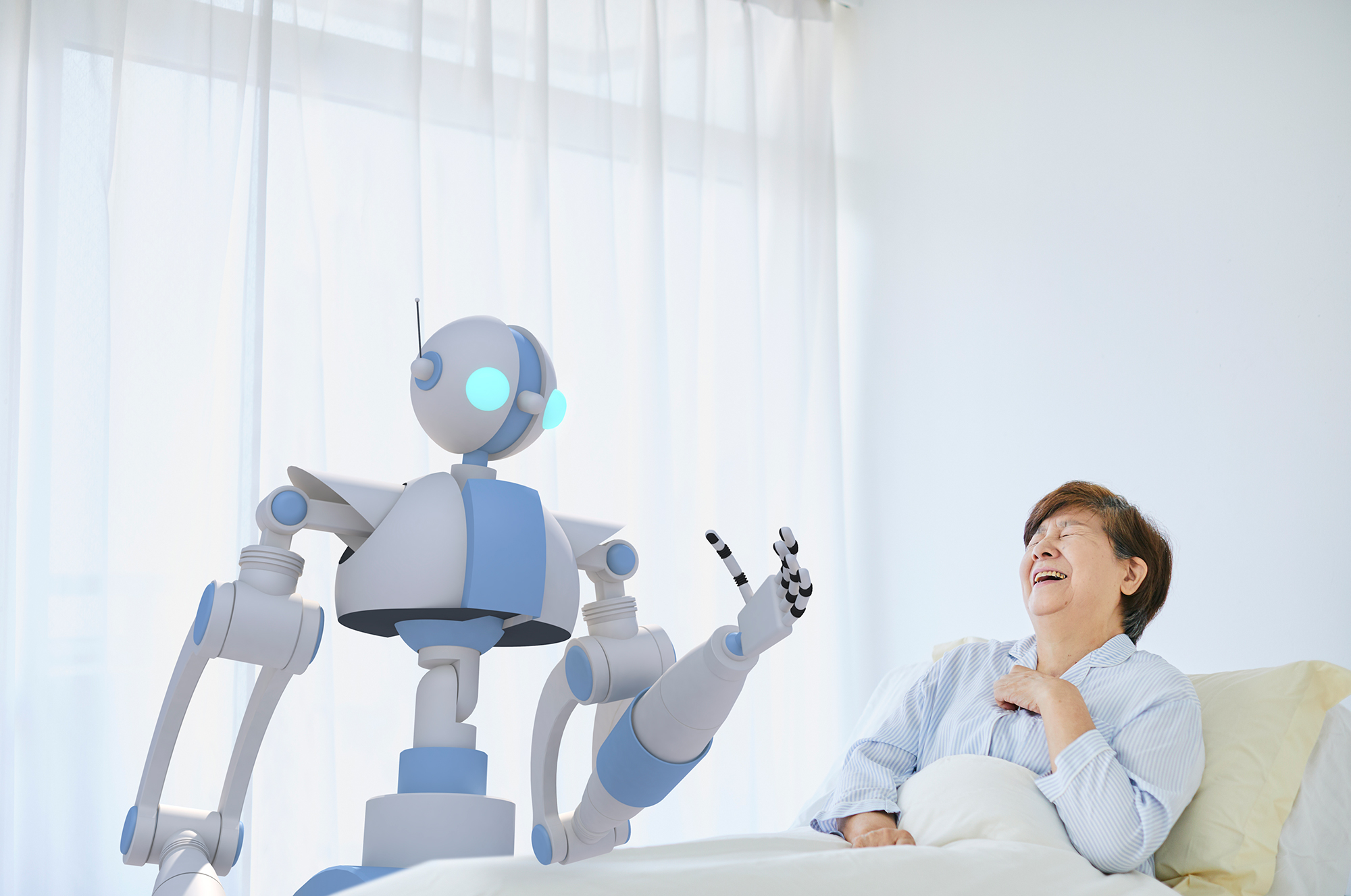
AI aside, the series was brilliant on the rivalry over robotics, particularly humanoid. You would assume that China is light years ahead here, and it is, but according to a professor at UCL, the Chinese companies are excellent at building the bodies, less so the brains, for which the US has the more profitable lead. This must bother the Chinese because they are eager to corner the market on humanoids that can be trained to care for the elderly. The number of over-sixties in China is expected to exceed the total population of the US within the decade. It is surely only a matter of time before robots are manning homes for OAPs from Chongqing to Carshalton.
For the elderly and the short-sighted – which includes an astonishing 90 per cent of 14-year-olds in China and many other countries in the east – AI may also come up trumps. In Radio 4’s Sliced Bread slot last week, we were served ‘Dough’ – a sub-series on products of the future, which really ought to have been called ‘Toast’. Anyway, one of the topics up for discussion with host Greg Foot was smart glasses, which have largely made headlines for adorning the faces of creeps.
The VP of ‘Wearables’ at Meta was eager to defend their specs from all such associations. There is, he said, an LED that flashes to warn people when the glasses are recording video. But as Foot pointed out, there are forums all over the internet with details of how to disable that feature. It’s obviously in Meta’s interest to correct the bug and allay people’s concerns about finding unauthorised footage of themselves online.
I was actually more persuaded of the value of this technology by the optometrists interviewed for the programme. Recording video, scrolling the internet and taking calls through your glasses is all very well, but having your glasses read the ingredients on a label or the contents of a letter might be a lifeline for the visually impaired. The next question may well be, what do you trust more, your glasses, or your humanoid carer?



Comments