Nvidia

How the West is empowering China’s war machine

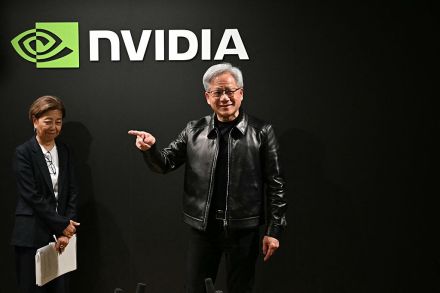
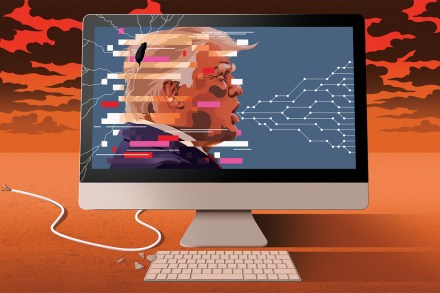
The West’s technology brains and universities are arming China. A few of them are potentially breaking the law to do it, but most of them don’t need to. The front door has been open for years, and nobody in London or Washington has thought to close it. According to a federal indictment unsealed in Manhattan last month, on December 18, 2025, in a warehouse somewhere in Southeast Asia, a team of men used a hair dryer to peel serial-number labels off genuine server boxes and press them onto fakes. The real servers, loaded with some of America’s most restricted artificial intelligence hardware, are alleged to have long since been shipped to China. What remained, according to the indictment, were dummies – non-working replicas repackaged to look untouched.

Are AI stocks about to crash?

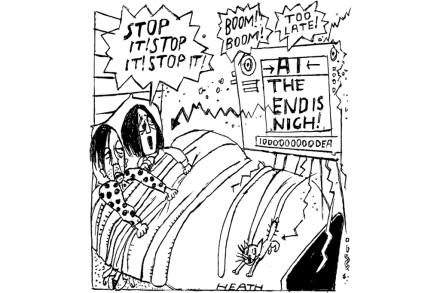
Bitcoin has lost almost a quarter of its value. The tech-heavy NASDAQ index on Wall Street has started to fall. And even leaders of the industry, such as the Google CEO Sundar Pichai, have started to warn about valuations getting out of control. We already knew that AI was driving a boom in investment. But this week there are worrying signs the market is about to crack. The only real question is whether that turns into a full scale crash. Bitcoin, as so often, is leading the market rout. More than $1 trillion has been wiped off the value of the crypto market over the last six weeks, with Bitcoin itself down by 28 percent since its peak.

AI

Has the AI jobs bloodbath finally arrived?

There has been much wallowing over news that Amazon and UPS have each just cut 14,000 jobs. Some Amazon employees report of being fired with all the heartlessness you might expect in a world where tech has taken over: by automated email. Maybe it was even AI which handpicked them to be de-emphasized, to use that dreaded 1990s expression. This, then, seems to be the future: where an elite of AI entrepreneurs grow rich while the rest of us slop off into idleness and unemployment. So much for those who have been gleefully predicting the implosion of the AI boom. Nvidia has just been revealed to be the world’s first $5 trillion company, with a market capitalization greater than the whole of Germany.

ai artificial intelligence

Trump’s command economy

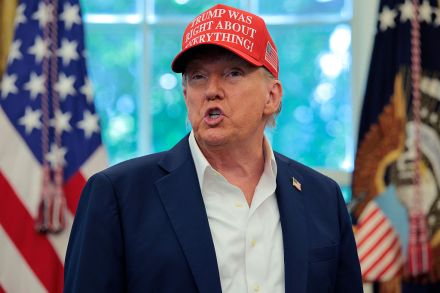
Donald Trump never made a secret of the fact that he wanted to be a commanding president but it wasn’t clear that it included a command economy. In the past few months, though, Trump has been steadily meddling with it, ranging from his insistence on a 15 percent cut of the profits from his threats against computer chip manufacturers Nvidia and AMD to his threats against the independence of the Federal Reserve – including his peremptory demand that Fed Governor Lisa Cook resign, which she has vowed to resist. Others are not as resistant. It appears that Trump has successfully extorted a cool $10 billion from Intel CEO Lip-Bu Tan whom he has previously derided as in cahoots with China. Trump is depicting his move as a grand bargain that will benefit both sides.

Donald Trump

Is the AI boom already over?

Is artificial intelligence a flash in the pan? Is the boom in tech shares, which exploded with the rise in public awareness of AI, doomed to go the way of other investment bubbles over the centuries? The answer to the first question is almost certainly no, and the answer to the second very likely yes. Investment bubbles do sometimes involve assets which have little intrinsic value, yet it is remarkable how often they begin as an entirely rational reaction to some new invention or development – an invention which outlasts the collapse of the speculative bubble, as if nothing had happened. You only have to look at a share chart and you would assume that railways went out of fashion in the 1840s, when a mad speculative umbrella collapsed.

AI

Nancy Pelosi, stock trader extraordinaire

Cockburn doesn’t believe in coincidences. That’s why when he saw that Nancy Pelosi and her multimillionaire husband Paul saved hundreds of thousands of dollars by selling shares one month before their stock price plummeted, he thought that it was probably more than just an educated guess. According to a report from the Washington Free Beacon, model citizen Mr. Pelosi sold 25,000 shares of technology company Nvidia, at around $165.05 in July which resulted in a loss for him of $341,365, a set of disclosures showed. Luckily he dumped the stock in time, as one month later, Nvidia revealed that the government had imposed export restrictions on the company’s A100 and forthcoming H100 circuits.

pelosi