At just over two hours, Martin Scorsese’s 1991 remake of Cape Fear was 20 minutes longer than the 1962 original. It also added some moral complexity. Instead of a total psycho (Robert Mitchum) menacing a lawyer’s very nice family, we got a total psycho (Robert De Niro) menacing a lawyer’s slightly messed-up one.
But how do you stretch the story to ten hours? That’s the challenge faced by Apple TV – and, after two episodes, the answer’s already clear: by throwing in any number of subplots, strenuously referencing as many contemporary anxieties as possible and not worrying too much whether some of the characters seem quite stupid in their willingness to ignore the obvious threat.
The thrilling tautness of the films has been sacrificed to the demands of box-set television
This being 2026, the lawyer that the villainous Max Cady (Javier Badem) wants to punish here is a woman. As his defence attorney, Anna Bowden (Amy Adams) advised Max to plead guilty to his wife’s murder so he’d get a reduced sentence. Unfortunately, he was then given life and has only been released now after 17 years because his ex-mistress has confessed to the crime in a suicide note. (As with many of the plot points, the reason the authorities found the note so convincing was left rather vague.)
His release caused Anna some alarm as to what the media would say about the fact that, shortly after the trial, pregnant by someone else, she married the prosecutor Tom (Patrick Wilson). These days, the two live in bourgeois splendour with her daughter Natalie and their son Zack in Savannah, Georgia. Yet, while we initially saw the family looking happy around their pool, the not-unexpected signs of trouble in paradise soon appeared.
At some point, there might yet be a new thriller where the main teenage boy isn’t an incel. For now, though, the wait continues. Zack duly spends his time gaming in his bedroom with an online girl much given to talking dirty and sending sexy photos. When not being pestered by a true-crime podcaster, the seemingly perfect Natalie drinks and smokes weed. As for mum and dad, Anna is a recovering addict with a bipolar father and Tom microdoses from a small bottle.
Not that Anna’s professional life is without its problems either. The law project she works for specialises in getting innocent prisoners released – and her boss Noa has implausibly decided that Max is the perfect poster boy. He was therefore invited to the project’s big fundraiser, where Noa didn’t seem to notice that he’s the world’s most sinister man.
Noa’s blitheness, mind you, is easily matched by that of Tom, whose regular assurances that ‘everything’s going to be OK’ carried on even after Zack went missing for a day, before returning with no memory and a crudely amputated toe.
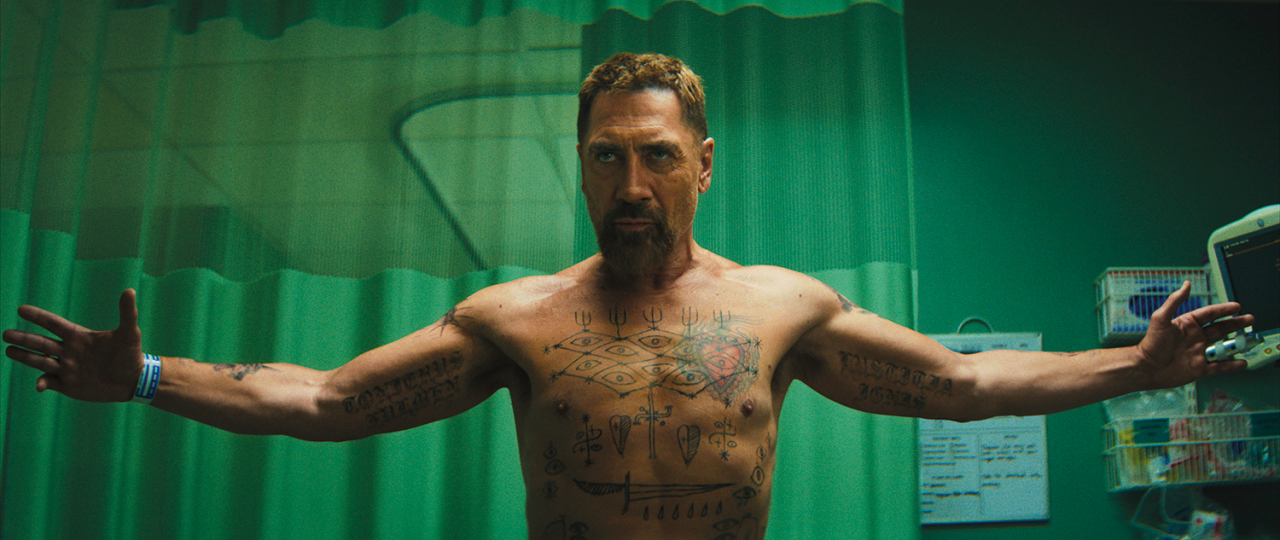
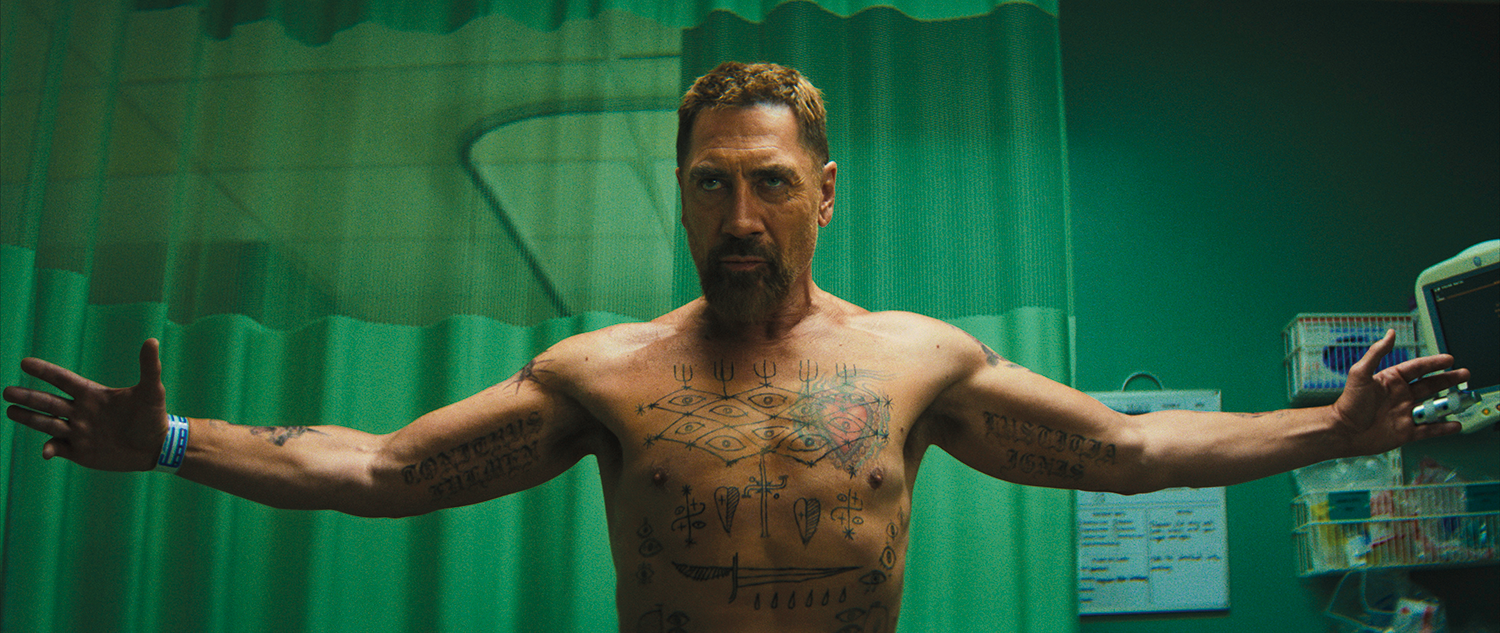
Almost saving the day amid all this is Badem – who, as well as exuding the required menace (and then some), manages to suggest a more tangled, even sympathetic backstory which will presumably be amplified at some stage, handily filling in some of the eight hours that still lie ahead.
Thanks largely to him, Cape Fear does have genuine moments of dread. So far, however, these are too loosely scattered through a show that feels as if it’s bunging in pretty much everything it can think of in the hope we won’t notice what a shame it is that the thrilling tautness of the films has been sacrificed to the demands of box-set television.
In its very different way, Tiger Island is also a neat illustration of current TV trends – in this case, by being both a natural history documentary and a documentary about making a natural history documentary.
Every few minutes we see things that Victorian naturalists would have risked their lives to see even once
The programme features a small team of scientists and film-makers tracking Bengal tigers in Nepal, using the latest technology – as they’re keen to explain, with lots of excited talk of zoom-lens drones and stabilised camera rings. We also see almost as much of the team’s somewhat extravagant reaction shots as we do of the animals. A tigress reuniting with her cubs brings shouts of joy, the death of cubs tearful laments and any new discoveries cries of wonder (‘This is NOT what it says in the textbooks!’).
But even without these hefty nudges as to how we should react ourselves, I’m fairly sure we’d have reacted like that anyway. In my own, mildly shameful experience, it’s easy to be blasé at the prospect of yet another ‘landmark’ wildlife doc – as if we were jaded emperors tired of being brought still more of those pesky golden eggs. Nonetheless, once they start, here we are again on our sofas seeing things every few minutes that Victorian naturalists would have risked their lives to see even once. In other words, for all its self-regard, not to praise Tiger Island wouldn’t just be wrong-headed; it would also be monstrously ungrateful.



Comments