
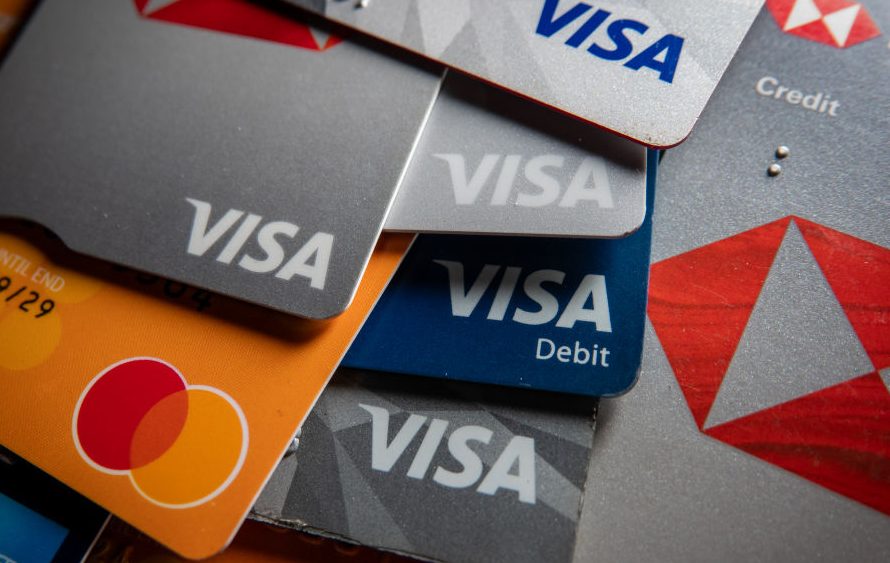
It is finally dawning on the government and the banking industry that it is not such a good idea to put the entire economy at the mercy of a couple of large overseas corporations. Today, a consortium of banks are meeting to hammer out a plan to create a homegrown alternative to Visa and Mastercard, which at present have a virtual duopoly on the handling of card payments in Britain and much of the developed world. Their fear, in particular, is that Donald Trump could simply order Visa and Mastercard to switch off their services to any country which displeased him. This is what happened in Russia after the Ukraine invasion, under the Biden administration, when Russian businesses suddenly found themselves unable to handle their customers’ payments.
But why has it taken this long for the UK financial industry to appreciate the vulnerability which comes with over-reliance on a highly-centralised payments system? The problem has been obvious for years during repeated localised failures of the payments network. Yet for all this time the financial industry has been remarkably relaxed about the risks. In fact, it did everything it could to try to encourage us to give up using cash and switch to paying via card, apps and other electronic means. It did so because it was in its financial interests to do so: electronic payments present opportunities to cream off fees in way which cash payments simply don’t. Moreover, the use of electronic payments creates mountains of valuable marketing data on who is buying what, where and when – data which can be sold.
The government should be mandating the survival of infrastructure for handling cash
Even now, the UK banking industry doesn’t seem that interested in promoting genuine resilience in the payments system – it just wants a slice of the Visa and Mastercard pie. Why isn’t it lobbying for cash use to be maintained so that people can continue to do business during a national emergency, such as a cyber attack, which took out electronic systems? Nor does this risk seem to register much with the government. Three years ago, the then government of Rishi Sunak launched a website called ‘Prepare’, which implored citizens to equip themselves with tinned food, bottled water, wind-up torches and radios and other kit in case of an emergency. Yet it didn’t mention anything about cash.
Sure, let’s have a UK-based competitor to Visa and Mastercard, if banks want to invest in it. But if we are going to protect ourselves properly against a cyber attack and other disasters, the government should be mandating the survival of infrastructure for handling cash. We should have a law such as they have in New York and San Francisco whereby businesses are obliged to accept cash payments (I have never worked out why the law of legal tender does not enforce this, but plenty of shops and businesses in Britain seem to think they can get away with banishing cash). Moreover, Britons should be encouraged to keep enough cash at home to cover their basic living costs for at least a fortnight.
Paying electronically is in many cases more convenient than paying with cash, but it comes with big risks attached. It also delivers enormous power into the hands of corporations who could cut us off at whim – imagine if banks started cancelling our cards because they disagreed with our political views – as Coutts did when they debanked Nigel Farage. What UK banks are proposing in the way of a British Visa or Mastercard does not go far enough in protecting us against the misuse of corporate power.



Comments