The making of films is a process often on an industrial scale, and among the thousands of professionals contributing there are dozens whose practice might constitute a solid history of the artform. The great stars and directors are the usual routes into the history of film; but the roles of studio executives, producers, costume designers (Edith Head! Givenchy!), composers of scores, cinematographers and editors would make compelling narratives, too.
A history of cinema audiences could also be interesting – ranging from those who are supposed to have fled in terror as a filmed express train came hurtling towards them in the 1890s; to the yobs who slashed the seats in cinemas showing 1950s rock’n’roll movies (but why?); to the choreographed responses to The Rocky Horror Picture Show and the sing-alongs to The Sound of Music. And there could even be a history of cinemas themselves. I think individual cinemas have made more of an impact on me than even certain theaters or bookshops – for instance, the Sheffield Gaumont, the PPP and the Phoenix in Oxford, the Arts Cinema in Cambridge and the Scala in King’s Cross, where the rumble of underground trains added an aura of dread to the often obscene classics it specialized in.

There is, in short, too much to write about. David Thomson is the doyen of film historians, and for most of a century has, he tells us, seen two films a day pretty well every day. He knows a lot. In this “revisionist history” he has focused what he knows narrowly, effectively limiting “the movies” to American and some French films. You should not turn to this book if you want to find out about some of the greatest masters of film – Visconti, Herzog, Fellini, Fassbinder, Tarkovsky or Satyajit Ray on the elevated side; or to learn about the mass appeal of Walt Disney, the Ealing comedies and Hayao Miyazaki. Most of these are not mentioned at all, or only very briefly.
We should not complain, however. Thomson takes in “the movies” with brilliant flickers of insight, examining the industry from different points of view. He reminds us of just how strange film was from the start, like a method of looking as if through the sights of a gun. Some innovations took decades to establish. The colossal length of Erich von Stroheim’s complete experimental 1924 Greed (it doesn’t survive) wasn’t equaled until the interminable box sets of the 1990s and after. Things quickly became even stranger. George Melies discovered that you could view “the sheer daft beauty of life in reverse” by running film backward. Just as peculiar was the assembly of vast numbers of people. The six million who had visited the Great Exhibition in 1851 had been unmatched until D.W. Griffith released Birth of a Nation in 1915. Two hundred million people saw it before the end of the following year. Woodrow Wilson captured that feeling of strangeness, which we have long forgotten, by saying Griffith’s film was like “writing history with lightning.”
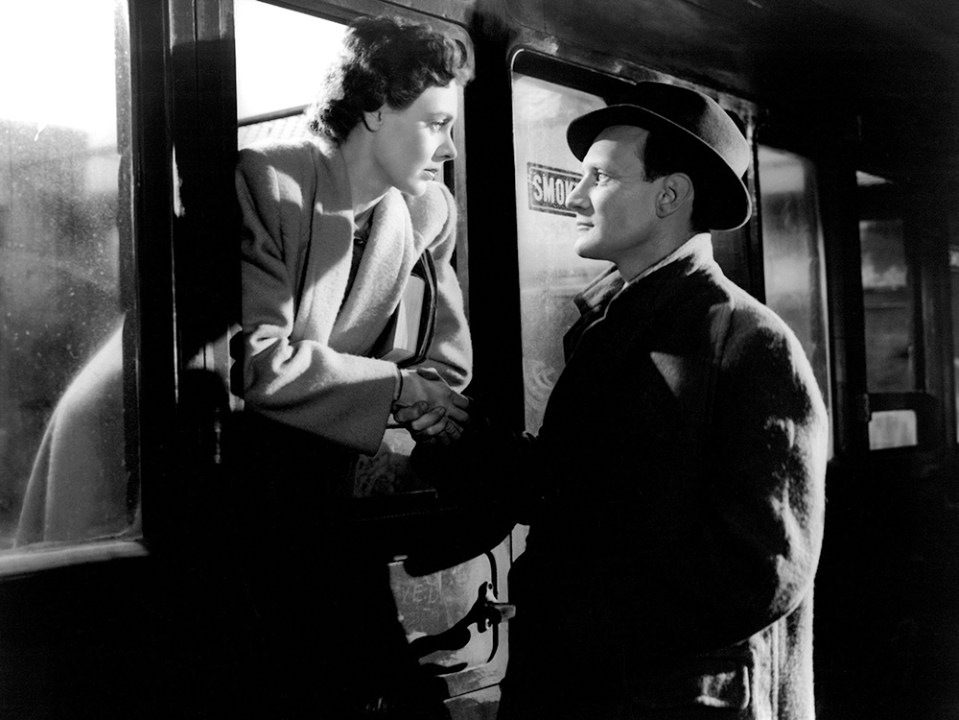
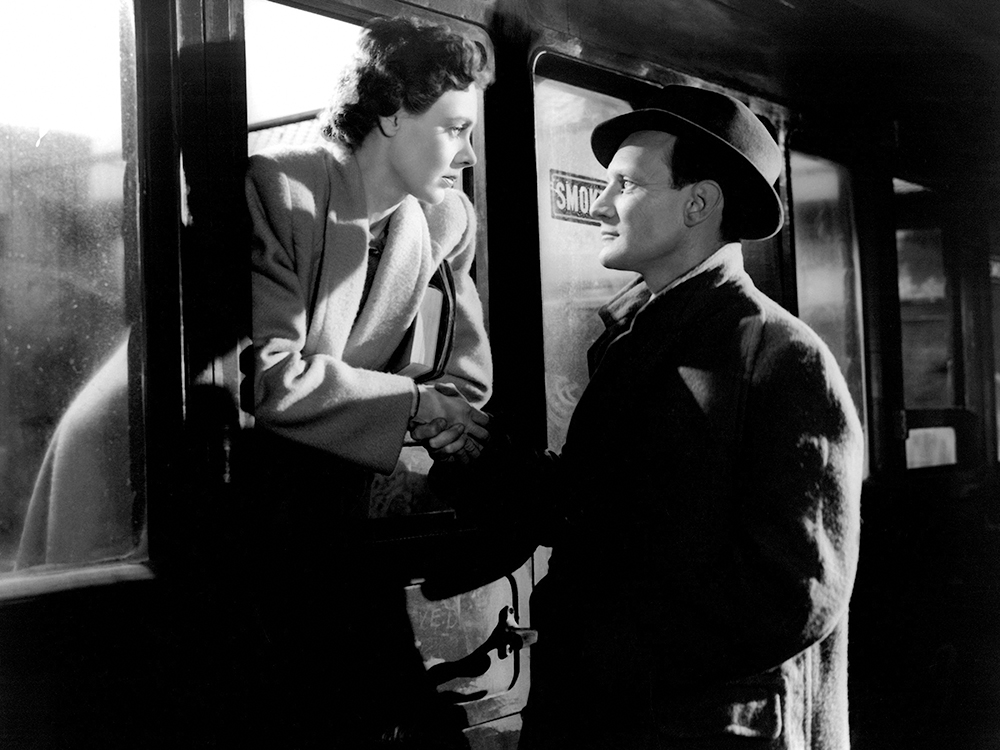
A hundred years later, history was being written, Thomson says, in accordance with the rules of that controlled lightning. He makes a big point of the dramatic instinct of President Trump in Butler, Pennsylvania in standing up and striking a pose for the cameras after he was shot in the ear. (I wish he could have conceded without qualification just how brave Trump was in doing this.) This was not, in fact, entirely new. When the Duc de Berry was mortally stabbed in 1820 he spent the few hours before his death uttering splendidly theatrical epigrams. But it is clear that the style of the movies and their conventions have shaped our behavior. When David Lean’s Brief Encounter was released in 1945, some ribald audiences found it hilarious and laughed all the way through. But the film’s popularity instructed postwar society that they ought to behave with more upright dignity, and they obeyed.
Mythologies arise, and an indestructible one is the fascinated connection that travels from one film to another in defiance of altered character, society and narrative. There are the directors who fall upon one star and repeat the magic over and over – for example Josef von Sternberg with Marlene Dietrich and Werner Herzog with Klaus Kinski. Sometimes, as Thomson says, these mythologies thrive on their own energy. Mary Pickford turned down the star role in Sunset Boulevard; Gloria Swanson, who took it, was, amazingly, only 51 at the time.
Thomson is excellent on how individuals successfully crossed conventional borders of profession and culture – Dietrich and Louise Brooks going in opposite directions between Germany and the US, or the cameraman on Metropolis ending up “in charge of the indoor sunshine photography for I Love Lucy.” Vittorio de Sica was not just the director of classics such as Bicycle Thieves but an incomparable actor – his portrayal of a seducer destroyed by vanity and weakness in Max Ophuls’s ravishing Madame de… is unforgettable. This extraordinarily capacious world is flooded, at its height, with money: George Lucas sold his property for several billion dollars and Reese Witherspoon parlayed her talent and business acumen into a half-billion dollar fortune. In this milieu there are an unusual number of roles that dedicated individuals can fruitfully explore.
Brief Encounter instructed postwar society that they ought to behave with more upright dignity, and they obeyed
Toward the end of the book, Thomson makes his position on movies clear. “These are works of art, and that’s a grand scheme. But the movies once were more and less than that.” Have we come to an end? He registers the general dismay among ordinary cinemagoers when Chantal Akerman’s grueling Jeanne Dielman, 23, quai du Commerce, 1080 Bruxelles was voted the best film ever made in a Sight & Sound poll in 2022. (Suburban housewife and sex worker eventually murders a client. Three-and-a-half hours, mostly of housework.) Is that really a better film than Carry On Up the Khyber? Are the great classics that are in our bones capable of survival when, as Thomson notes, film students are now much less likely to watch Citizen Kane in the cinema, if they watch it at all, than on their smartphones on a screen three inches by two? He is of the old school that thinks something went out of the cinema when television came in; and it’s true that the move from a looming, overhead figure like a kindly mother to a squalling tiny box to be controlled like an infant was a large psychological shift. Is the shift away from television to something still smaller going to be survivable?
In my view, one thing contributing to the decline of cinema is the nervous sanctimoniousness of studios about their chosen stars and subject matter, and their abandonment of anything resembling the energetic vulgarity that made the greatest movies so enduring – from Gold Diggers of 1933 to The Leopard and Spirited Away. It’s only fair to say that Thomson, in this thoughtful, insightful and rather haunting book, does contribute to this mood by a paean to Adolescence. If anyone is watching that ludicrous Netflix drama in ten years’ time, I will eat my inexhaustibly enchanting copy of Visconti’s deliciously raucous Bellissima, now 75 years old.
I enjoyed this book so much that I came close to missing the deadline for the review. I kept having to break off to see if a movie Thomson had wonderfully evoked was, as it ought to be, on the streaming services.



Comments