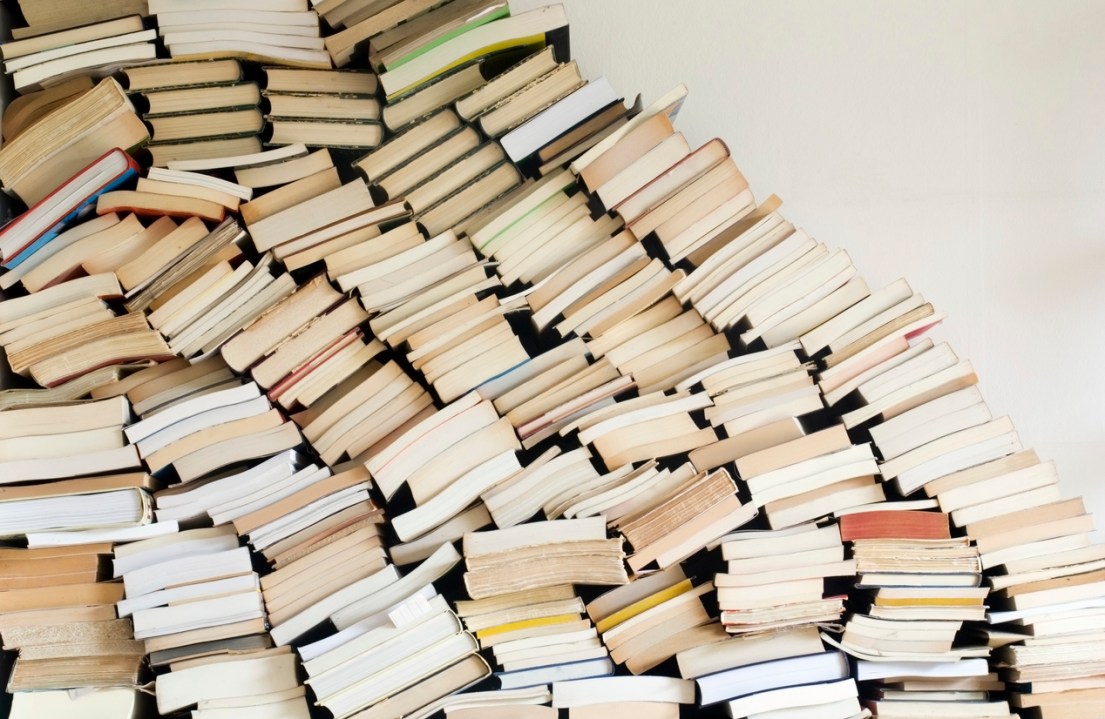
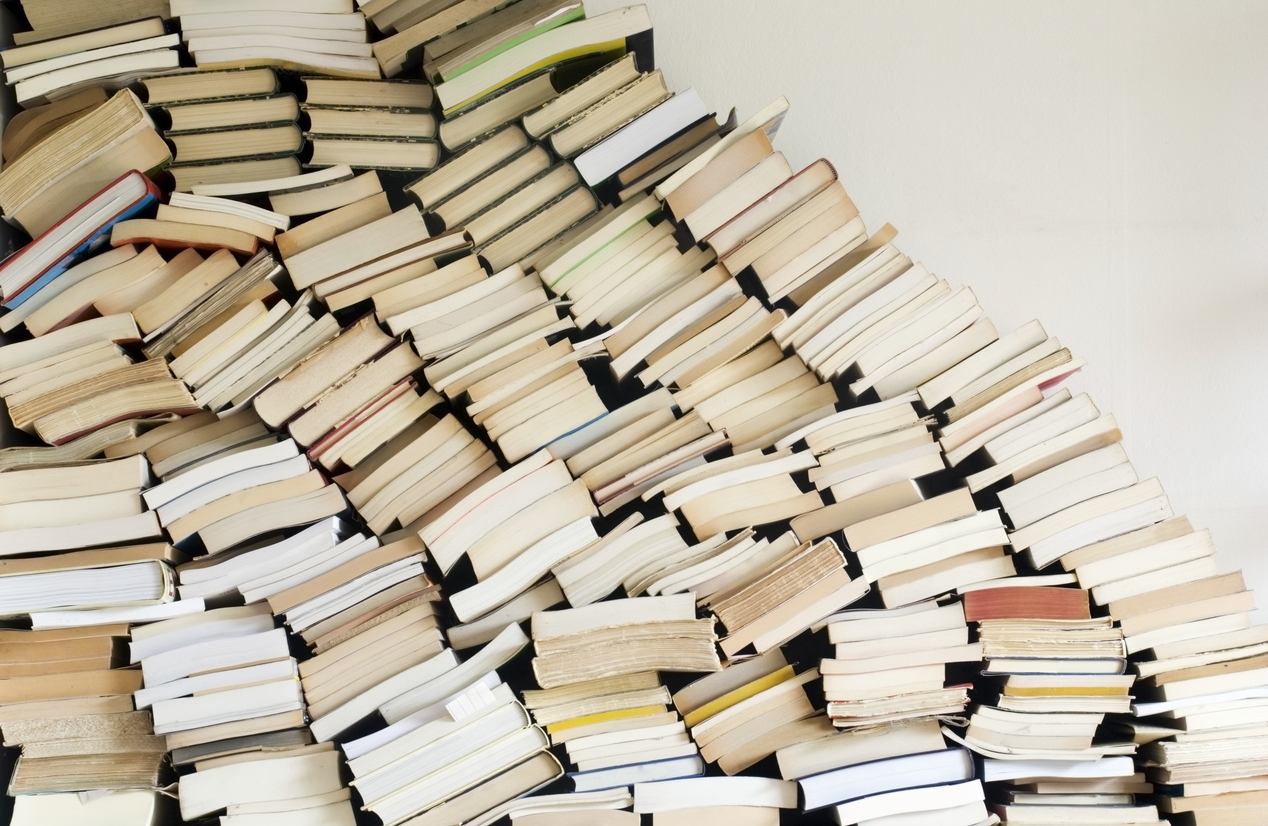
‘Some books are to be tasted, others to be swallowed, and some few to be chewed and digested.’ It would appear that the artificial intelligence company Anthropic has taken Francis Bacon’s advice rather too literally.
Anthropic has drawn criticism following revelations it has been cannibalising millions of print books to feed its ravenous learning systems. In the scanning process it has destroyed these items, including texts of considerable rarity.
Hydraulic powered cutting machines are used to slice off the spines and covers – the footage is enough to give any bookworm nightmares. After the carnage, a recycling company comes in and clears everything up. Talk about getting rid of the paper trail.
WTF
— Shruti (@heyshrutimishra) July 29, 2026
AI companies are purchasing large quantities of used and rare books. Scanning their contents to train models. Then turning the originals to pulp.
The sum of human thought, digitized and shredded.
Every book that gets scanned disappears from the physical world permanently.… pic.twitter.com/zCDV0tFaci
This follows a $1.5 billion copyright infringement lawsuit last year, in which Anthropic was found to have pirated digitised books to train its AI assistant, Claude. The court ruled that while using text to train AI models constituted fair use, the company had acquired the titles without the consent of authors. So now Anthropic has progressed from straightforward online piracy to the perfectly legal but wanton destruction of physical books.
It is simply cheaper and faster to guillotine a bound book and run its loose pages through a sheet-fed scanner than to scan it page by page and keep it intact
Once the texts are bought, usually from bulk discount outlets such as Better World Books and World of Books, companies are free to use them as they see fit. It is simply cheaper and faster to guillotine a bound book and run its loose pages through a sheet-fed scanner than to scan it page by page and keep it intact.
Anthropic was even legally incentivised to shred these copies since a federal judge ruled that the digitisation and subsequent destruction of existing texts would avoid duplicating material. This seems perverse given the books aren’t being reproduced as autonomous texts, but collections of disjointed phrases used to train chatbots.

It is a terrible pity they can’t be donated to local libraries, second-hand bookshops or charities – especially those which are out of print and thereby lost to posterity. Someone loved them once, if only the author’s mother.
Putting labyrinthine copyright law to one side, it’s the stark symbolism of destroying books en masse that has struck home so powerfully. Ray Bradbury named his dystopian novel Fahrenheit 451 after the temperature at which books burn. Orwell famously wrote about the Party memory-holing documents by lobbing them down chutes into a furnace.
AI throws up a new set of issues, sacrificing human expression on the altar of Large Language Models. It illustrates an ugly and utilitarian attitude to creativity, where we plunder texts for data then discard them – and in doing so imperil the dreams of future writers.
I write this from the Bodleian Library, whose ancient buildings stand as a testament to the durability and integrity of the book. This temple of the written word lays a claim to every volume published in the country since copyright was invented. Readers’ eyes trace the ridges and raised lettering of the hardbacks lining the walls. They smell of another century. The library is full of the sounds and sweet airs of paper turning.
Every week visiting scholars give presentations on their research, showcasing rare manuscripts and books. These mornings are a shared celebration of the written and printed word, reaffirming the importance of the text as a cherished material object.
You don’t need to visit a university library to experience this communion, however, nor do you require priceless first editions. There is a marvellous physicality to the act of reading, whether the books come from exclusive antiquarian booksellers, family attics or the cupboards of Oxfam.
When holding a novel, you immediately register how far through you are. Readers can flick back to compare and contrast another phrase, instinctively remembering where it is on the geography of the page. Then there is the exhilarating gallop towards the denouement, usually at some ungodly hour, and the valedictory gesture of closing the book. It is a curiously intimate experience.
Books can be much-loved objects in their own right, part of what Philip Larkin called the ‘specially-chosen junk’ of our lives. They gather meaning and dust on the shelves of sitting rooms, reminders of what we have read – or more often than not, what we intend to read. (My bookshelf gazes at me resentfully.) All this is a refreshing antidote to the jabbering screens of modern life.
Perhaps this is why younger people are shying away from the convenience of e-books and making a conscious return to the printed word. Just as vinyl has reasserted its primacy over ephemeral streaming services for record junkies, so readers long for something tangible in a digital world.
There is something darkly ironic about destroying books to feed learning machines which in turn reduce our ability to think, create and write. I am researching my first book at the moment. It may be my last if current trends continue.


Comments