
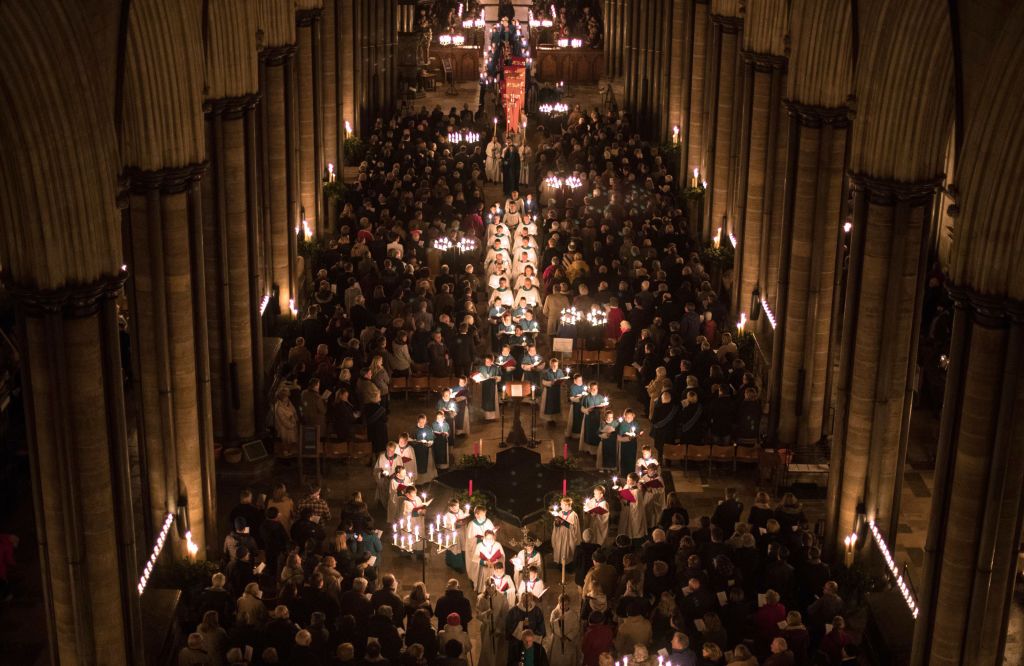
A is for Advent and you know what that means? Not the four week countdown to the coming of baby Jesus but the calendars to prepare us for the big day: 24 little windows revealing Lego pieces that combine to make a Frozen display, Fortnum & Mason food treats, the Nutella giant version with ‘24 doors of Nutella spreads, biscuits, snacks, and themed items’, the Nivea one with ‘24 skincare and grooming items plus pampering accessories’ and Amazon’s own non-physical Advent calendar of special deals right up to Christmas. Halfords? Currys? Domino’s? They probably have them too; I’m too annoyed to check.
Advent should be a cumulative thing, a build-up, a pleasurable preparation; strictly, it should be a time for modest festive consumption
You want to know who is the Grinch who stole Christmas? It’s our old friend capitalist consumerism, which can never see a festivity without wanting to suck it bone dry before it even happens. And I do mean that. In M&S – ‘the home of Christmas’ – I registered the arrival of the festive merchandise mid-October; that’s right, the time when, notionally we were all getting excited about Hallowe’en, another event that’s been cannibalised by the market. Being incapable of deferred gratification we get our fill of the party canapes – rather disgusting bao buns in the shape of Santa – and fizz to the point that we’ve had it with the season by the time it happens. I am as fond of a drink with colleagues as anyone but has anyone thought of it taking place during the actual Christmas season… from Christmas Eve right up to Epiphany, on 6 January, and beyond?
Advent actually starts today. It’s the season of watchfulness and waiting – today’s gospel in mass was all about the householder whose servants had to keep watch constantly, lest he return at midnight. The Advent candles in church are lit one by one until the last Sunday before Christmas, when the last of the four is lit, and the symbolism is complete. Advent should be a cumulative thing, a build-up, a pleasurable preparation; strictly, it should be a time for modest festive consumption and the properly religious will go for abstinence.
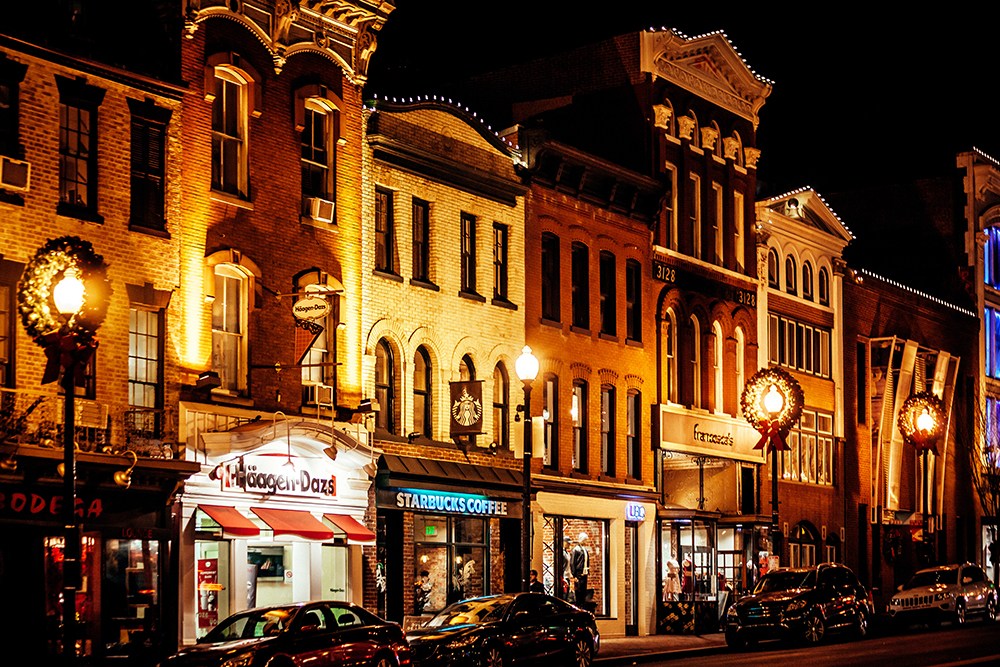
My elderly friend from the former East Germany, pretty well the home of the Advent markets (before, for the benefit of Brits, they became Christmas markets), recalls that even the music played on public service broadcasting was quiet and reflective rather than actually celebratory. Mind you, even churches have gone along with the drift, holding Christmas carol services in mid-December, rather than the Advent sort with carols that don’t suggest the Saviour has actually been born. Advent is a time for making puddings, cake, biscuits for the callers and the family, for sorting out presents, sending cards (except not when you find out the price of stamps), for getting the house ready. It’s a different vibe from celebrations.
Commercialism has sucked the life out of the festivity by wringing it dry too soon, but you can always take a stand. Properly speaking, Christmas starts on the evening of 24th December and goes on until Epiphany, then winding down in a kind of lazy decrescendo until Candlemas (otherwise known as the Purification of the Virgin) on 2 February. What I say is, hold off most celebration until the 12 Days – so no giving stuff up on New Year’s Day – and making the most of the actual season. It’s the properly trad way to go – so genuinely counter-cultural. My festive get-together is on 5 January.
Meanwhile, the Medici Cards company has actual Advent calendars: windows with angels and candles which culminate in the big one on 25 December which opens to show baby Jesus. Which is, need I say, the actual idea of the thing.






Comments