At last: some maternity news to celebrate. Nearly half (47 per cent) of all babies born last year in England were delivered by c-section. The negatives have duly been highlighted: the strain on hospitals, that women are choosing this route due to being ‘fearful’ of vaginal births.

But the only real downside to these figures is that so many Caesarians – half – are emergencies. I’ll never understand why so many mothers-to-be take their chances on natural birth knowing they have a very fair chance of ending up with the worst of all worlds: the hell of uncertain and then fruitless labour followed by the extreme stress of massive emergency surgery.
Indeed, the elective (non-emergency, planned) c-section is the most wondrous innovation in women’s healthcare, perhaps ever. I would probably not have had a child had I known birth – with all the loss of control, uncertainty and agony – was the only way out. A lot of women vomit constantly while in labour. As a vomit-phobe, the prospect of this would have overshadowed and ruined the whole thing.
Yes, some women find birth transcendent and magical. Some find it orgasmic. And of course that is a fantastic outcome. It’s also only right that if women really want to go through the unpredictable fire of labour – with epidurals frequently arriving too late, or slowing the birth down too much resulting in c-section – then they should. A reasonable number do make it through without surgery or trauma.
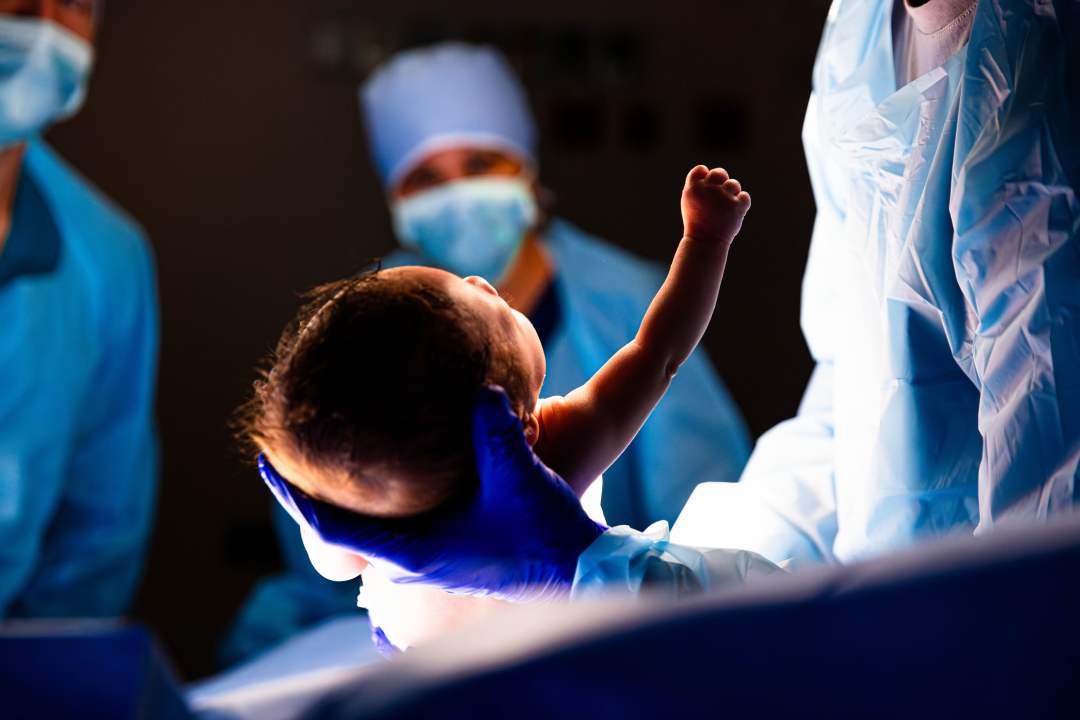
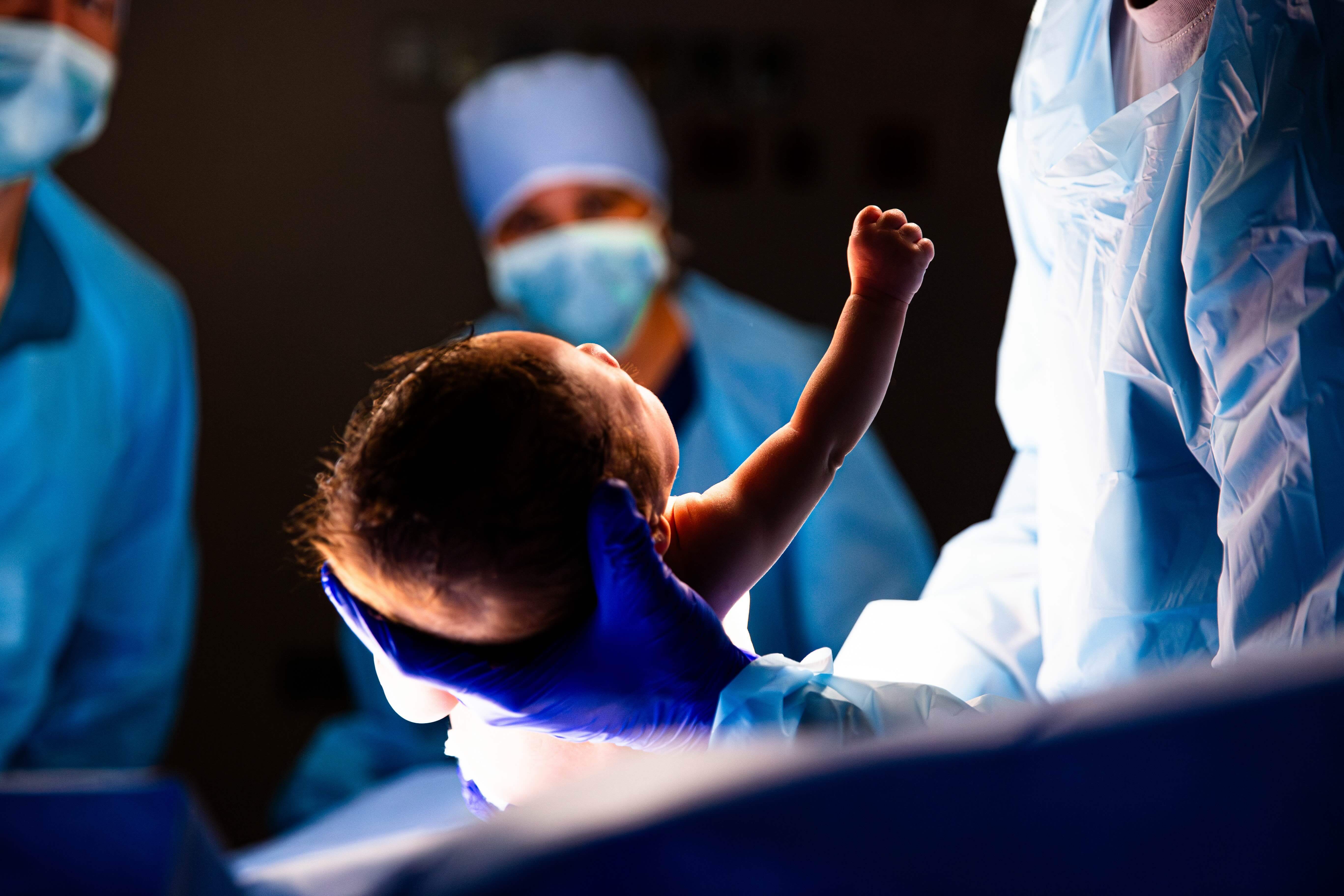
That’s not a gamble I’d ever take and luckily – courtesy of the introduction of elective c-sections in 2011 – I could calmly choose to avoid all that chaos and horror. The result was exactly as I’d hoped. Every step was properly taken, from a date and time scheduled, to decompression socks worn the night before to dressing in scrubs beforehand, to the calm introduction of anaesthetic and tweaking of other meds until I was comfortable. I was in a sufficiently composed (if somewhat apprehensive) state to appreciate the spacious theatre, the very many people in there to ensure my safety and comfort, and then, finally, to observe with interest as my baby was introduced into the harsh world of oxygen, suckling, hats and nappies, and laid on me. Recovery was fine; you’re hobbling around within 24 hours.
So for me, there is no trauma narrative and I don’t think my baby was any sicklier than those born through the canal (there is plenty of contradictory research on this). And what is unnatural about wanting to avoid danger, suffering and trauma, especially at this most intense and difficult transition when you need all your strength?
It does seem that the penny is finally dropping for others; that the suffering, chaos and risk of the natural route is not in fact the better, or nobler path. And yet, as the high number of emergency c-sections suggests, too many mothers-to-be, midwives, the National Childcare Trust and some obstetricians still think that ‘natural’ is best. The 2026 report by Baroness Amos into catastrophic maternity care failings in English hospital trusts included criticism of a ‘normal birth drive’, though these were removed just days before publication due to the figures also showing rising numbers of caesareans.
Between 2007 and 2017, the Royal College of Midwives told its members to encourage women to have a vaginal delivery without any medical interventions at all, even pharmaceutical pain relief or forceps. This translated into encouraging women to stay at home when they urgently needed medical attention, in some cases leading to avoidable death and harm. Last year, former health secretary Jeremy Hunt said that ‘the language, and the thinking behind [natural childbirth ideology] is still alive.’
Perhaps the childbirth community of professionals – and mothers to be – need some history lessons in stark terms. The lessons would be simple: nature ensured by far the biggest bloodbath of women in history, with one in 18 married women dying through childbirth or pregnancy-related complications. The ‘four horsemen’ of the maternal apocalypse were puerperal fever (uterine infection caused by the dirty hands of attendants); postpartum haemorrhage, eclampsia (which memorably killed Lady Sybil in Downton Abbey), and backstreet or DIY abortion. Nature has got a lot of things right but childbirth is not one of them.
What is unnatural about wanting to avoid danger, suffering and trauma
Perhaps my own clarity about the wondrousness of the elective c-section is to do with age. I had my first daughter at 41 and by then I had endured a good decade of friends’ birth stories. Most of them were absolutely awful, ranging from near-death and haemorrhage to debilitating cases of prolapse that have dogged them evermore. Some had triumphs, but the chances were against it.
In most areas of life, a preference for the ease and safety afforded by modern developments prevails. Childbirth has remained the dangerous exception. Until now.




Comments