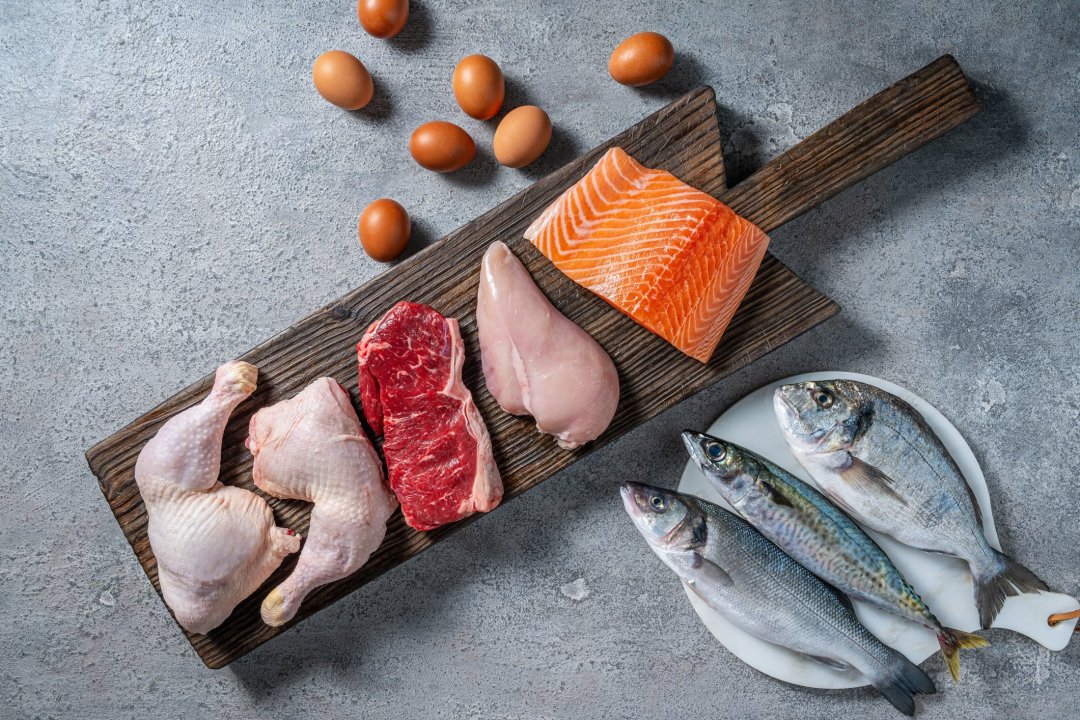
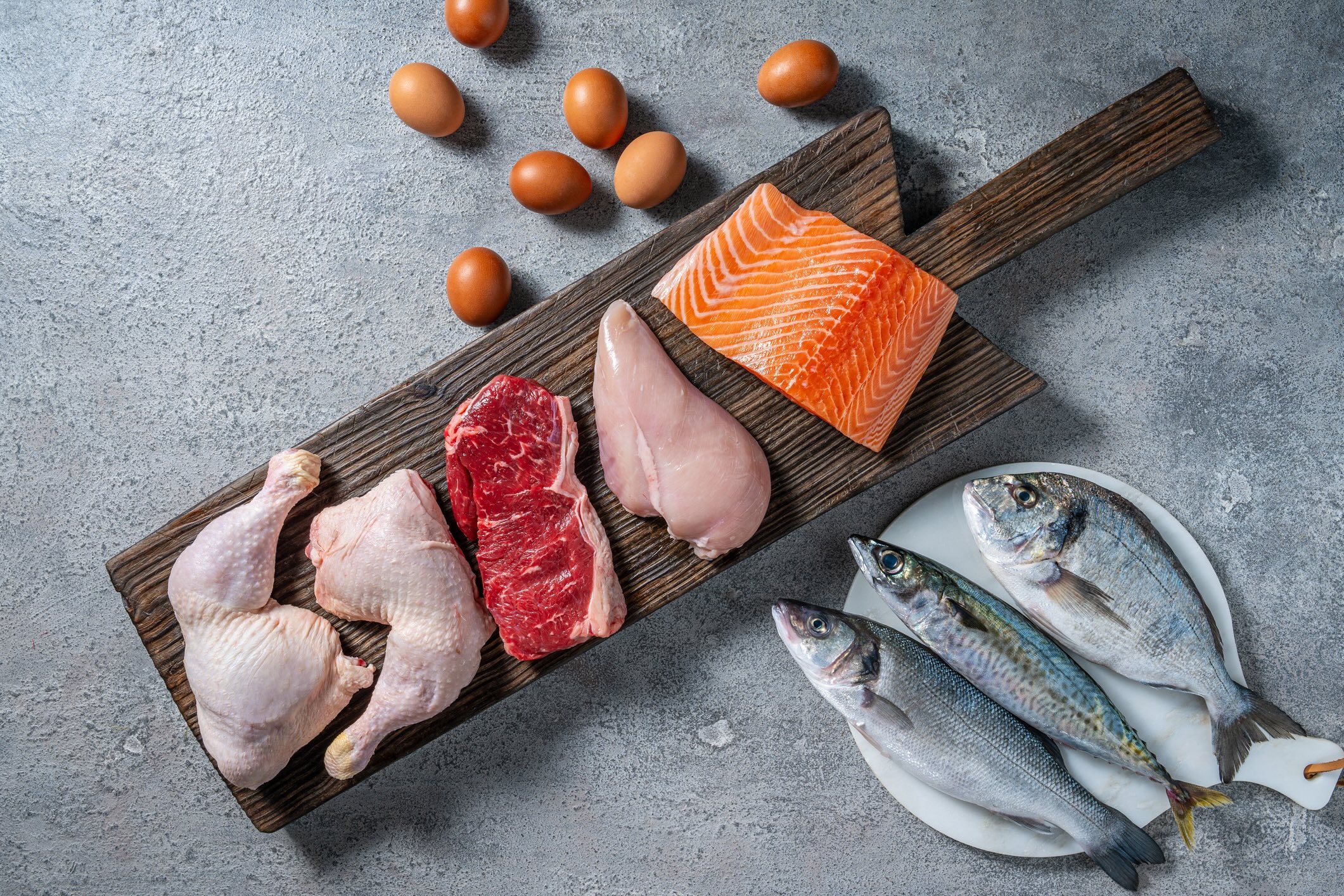
It was in Lidl that I realised that Britain’s protein problem had got seriously out of hand. Piled up in the refrigerated section were packets of ‘high-protein’ beef mince. Surely this was an unnecessary descriptor? But no: Lidl had decided that the solemn offering of God’s most protein optimised being – sorry, chickens – no longer suffices. Beef now needs to be ‘enriched’ (read: desecrated) with powdered pea protein.
As much of an aberration as this was, it is not surprising. It is merely the latest step in a trend that has captured British diets – the obsessive need to proteinify every single food possible. Protein’s status as the panacea of the 2020s is now complete, as well as an industry worth over $50 billion (projected to grow to $110 billion by 2034). Yet as someone whose life once revolved around protein consumption, such an obsession has its downsides.

I come into this debate as one of protein’s keenest advocates: to put on a significant amount of muscle, you really do need a high protein consumption. My family and girlfriends past can testify to this regime, haunted by the oppressiveness of my demonic protein powder-fuelled farts. For a long while, my goal was one gram per pound of bodyweight, the generally agreed-upon optimal ratio for weightlifting. Naturally, this is rather difficult to achieve. For reference, at 80kg/176lbs, you require six chicken thighs/ or 30 eggs/ or two kg of cooked chickpeas. I quite honestly don’t know how the vegetarians do it (thoughts and prayers for their lentil curry-scarred girlfriends).
Such a relentless pursuit of protein makes you single-minded, little different to an addict sourcing their next fix. At university, this devolved to a dependent relationship on the (admittedly very lovely) dinner ladies in my college dining room. I would turn up in the last 15 minutes before closing, and cajole them into providing the maximum amount of whatever option was most high-protein, no regard for taste. Sitting alone – Sodexo’s own Smaug – with six leathery pork chops was a typical reward for my efforts. I’ve known friends who skipped social events or turned up with a tupperware of chicken and broccoli, so compulsive was their fear of ‘losing their gains’. This monomaniacal state is not unknown to induce break-ups.
In practice there is little difference between a man obsessively checking his meal deal choices to optimise protein and a woman making sure she has the lowest calorie option on the menu. Both are also vulnerable to the most common of dietary neuroses – the family dinner that either has too many calories or too little protein (the refrain ‘cheese has protein’ is sure to trigger flashbacks in the mind of every protein fanatic). If you reach the point where you can’t eat a delicious home-cooked supper with your family without dissecting its nutritional content, something has gone sorely wrong.
Over the last decade though it has become conveniently less complicated to meet one’s protein goals. Much of this derives from more people caring about protein, and for that I am grateful. Just as vegetarians recall the dark days pre-Linda McCartney – so do gym-goers recall the time when the best you could get was a lumpy chalky powder in a flavour that tasted chocolatey if you concentrated very hard. This was the natural state of affairs. Yet what has emerged in recent years bespeaks some foul faustian pact: the alchemy involved in making something high-protein but also tasty (meat and eggs excluded) is deeply suspicious.
Such a relentless pursuit of protein makes you single-minded, little different to an addict sourcing their next fix
Protein snacks of today are a Frankenstein’s monster of tiny-lettered processed ingredients that somehow taste delicious. I’m not one of the diehard ultra-processed food doomsayers – I am particularly partial to a 3200-calorie large Domino’s pizza – but there is something uncanny about many of the new protein offerings. Typical ingredients include EPG (Esterified Propoxylated Glycerol), a synthetic fat substitute designed to be indigestible, and Carageenan, an inflammation-inducing thickener that makes protein yoghurts deliciously creamy – as well as all manner of fourteen-syllabled artificial sweeteners, emulsifiers, and bulking agents. The protein powders, meanwhile, are an incredibly cheap waste product (liquid whey was once dumped on landfill) cynically marketed as a premium offering while generating enormous profits.
E numbers too have managed to survive the Mumsnet pitchforks and mentioning them now will only get you a ‘meh’ response. Manufacturers know they can smuggle hundreds into their products, just as long as price and calorie count are low and the protein content is high. Supplemental protein is marketed to young men in particular as a magical solution to all their ills and as the only route to being muscly and hot. Were it actually used supplementally, this would likely be fine. Yet many men have begun to source the majority of their protein from shakes and protein bars due to the low cost and ease of consumption. It is no coincidence that early-onset bowel cancer is growing rapidly. Our blind dependence on cheap high-protein foods is doing great harm to both our health and connection to food – one protein shake company even emblazons its bottles with ‘THIS IS FOOD’ in big letters, like a not-so-subtle scene out of John Carpenter’s Sci-Fi classic They Live.
Despite this, I’m still optimistic about our newfound championing of protein. It is borderline impossible to get fat if your diet is built upon natural proteins, and countries that still demonise it are on the whole physically weaker. A study by the Right to Protein initiative (funded by the Pynchonesquely-named U.S. Soybean Export Council) found that in India 79 per cent of people still believe protein is only for physically active people. In grip strength tests – one of the best measures of overall body strength and injury risk – men in India were shown to have a lower grip on average than women in Brazil, where per capita meat consumption is around 100kg per year. Go figure.
We should be eating more protein, but should this be in the form of Krispy Kreme doughnut flavoured protein powder, or protein advent calendars (perhaps a tasteful ripped Jesus chocolate on the 24th)? The new industry based on waste products with exceptional profit margins would say yes. I’ll stick with my steak and eggs.





Comments