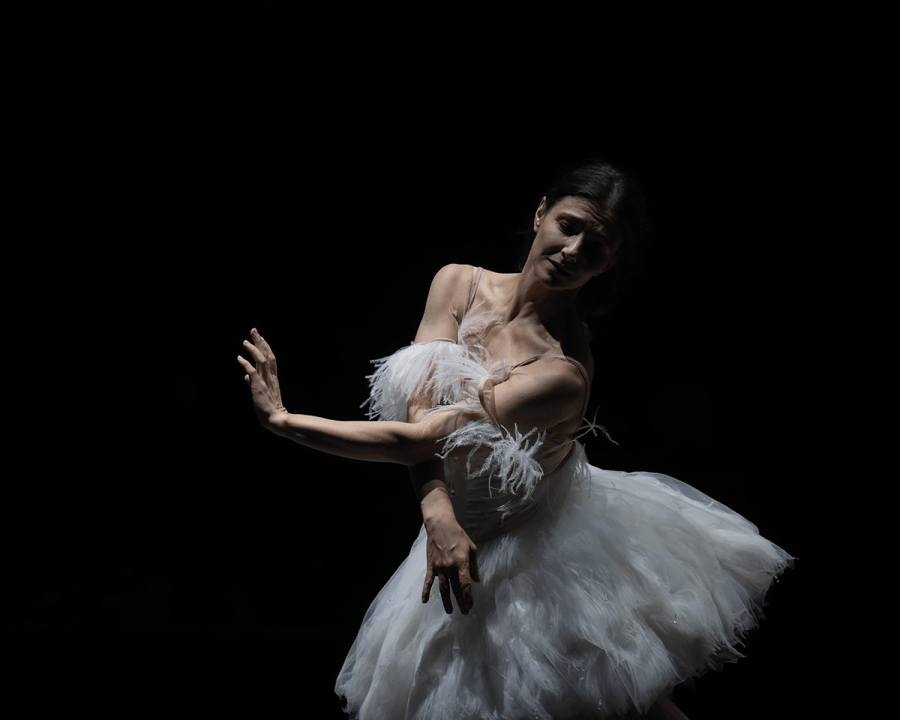
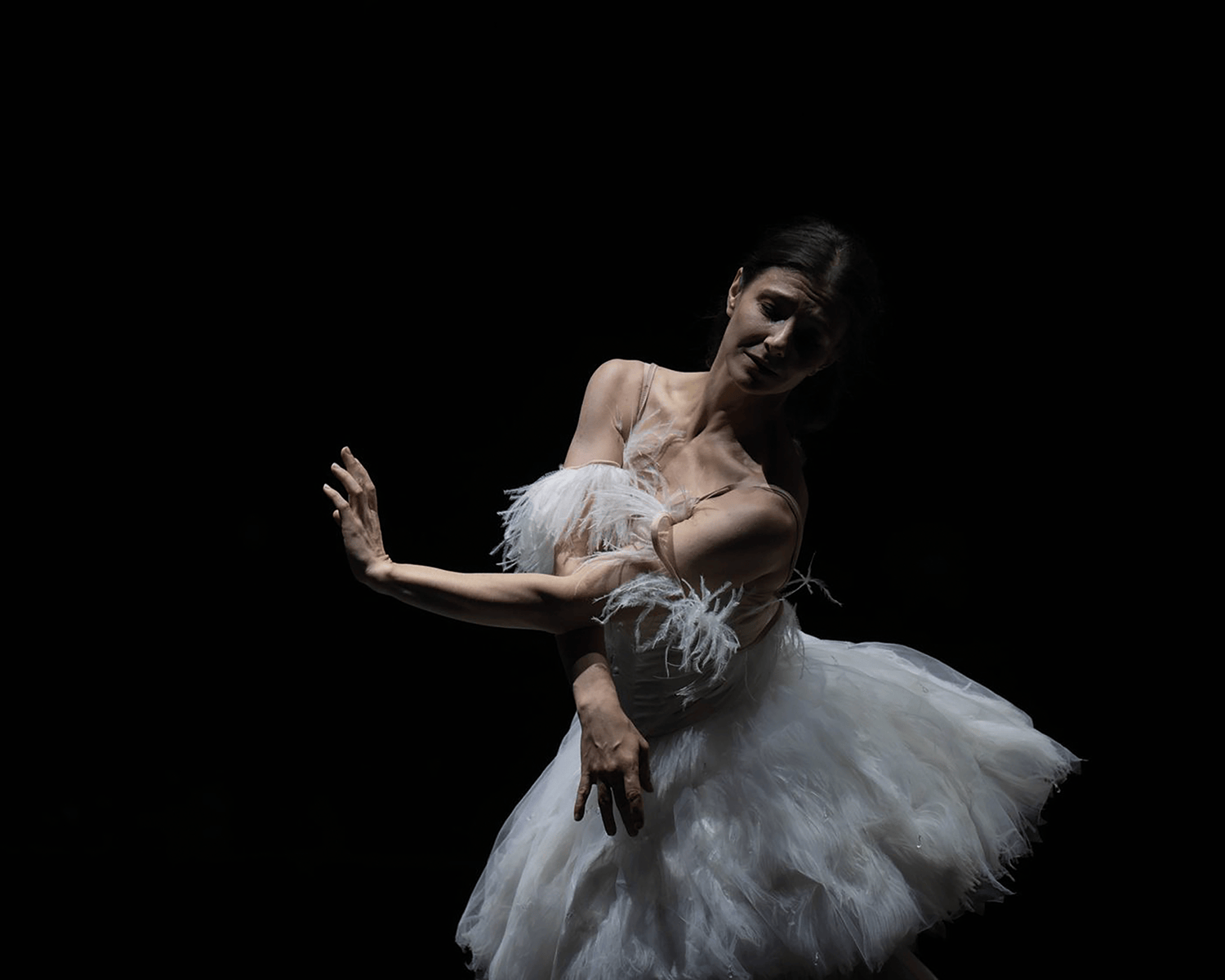
Everyone knows that actors have weird rituals around the naming of Shakespeare’s Scottish play but how many have heard about the more beautiful theatrical superstition of the ghost light – the single lamp that is reverently left to illuminate a stage at all hours when nobody is present? This beacon is the inspiration for a strangely haunting work by the Hamburg-based choreographer John Neumeier, conceived during the Covid epidemic when the authorities licensed him to work in the studio for only an hour each day, using lone individuals or couples who lived together.
Ghost Light is set to a series of quietly meditative piano pieces by Schubert interspersed with episodes of silence. Gently but painfully, it evokes the isolation of lockdown. With a duration of nearly an hour by the clock, it induces a trance-like state that makes you think it might go on for ever. My companion resisted and ended up bored; I went with the flow of its mood of solitary melancholy, in which a dozen dancers flit and drift through memories or dreams, sometimes nonchalant, sometimes desperate, searching for a point of connection or meaning. The fine ensemble of London City Ballet, including Alina Cojocaru, inhabit Neumeier’s subtly inflected imaginings with unfailing sensitivity and musicality.
Cuthbertson’s dancing has a voluptuously expressive quality that few of her rivals can match
Glen Tetley was a big name in the world of dance half a century ago, but time has not been kind to his reputation and LCB’s valiant reconstruction of his 1981 version of The Firebird is a waste of effort, especially when so much of value is in imminent danger of being lost (how about some attention to the oeuvre of Antony Tudor?). Tetley’s vocabulary – classically based, with some Martha Graham mannerisms thrown in – looks sapless, and his rejigging of the narrative creates otiose extra characters and needless complications to the simple lines of Fokine’s fairy-tale original. Francesca Velicu and Joseph Taylor lead a cast that does all it can with the exiguous material Tetley offers them, but some gorgeous paintings by John Macfarlane projected on to the backdrop prove more visually alluring than anything we saw live in three dimensions.
I’d like to eavesdrop on planning meetings at the Royal Ballet in the hope of understanding exactly why, barely 18 months after its last revival, Kenneth MacMillan’s Manon has been dusted down for yet another run of performances. A special rights deal? A replacement for something else that the accountants deemed too expensive? Whatever, it’s too much, too soon, and it does the ballet’s weaknesses (notably its cringingly unfunny comedy interludes) no favours. So far it’s not selling well at the box office, despite the Royal Opera House’s dubious new policy of ‘dynamic pricing’.
But Lauren Cuthbertson was magnificent in the title role. Her Manon may be sweet 16 and straight out of a convent, but she’s about as ingenuously innocent as an anaconda. Feral and impulsive, she grabs at the moment and the main chance. Terrified of the ardour gushing out of her lover Des Grieux, she pushes him away and then draws him back in. Finally, raped, battered and humiliated, she seems numbly bewildered, her death throes reducing her to a hollow husk of humanity. Cuthbertson’s dancing throughout this journey has a voluptuously expressive quality that few of her rivals can match. What a great ballerina she has become.
Matthew Ball was her Des Grieux: too passive and drippy in the first act, he caught fire off Cuthbertson as the evening progressed and rose to the high drama of her downfall. Among the cameos surrounding this pair, I particularly relished Ryoichi Hirano’s cadaverously lecherous Monsieur G.M.. Nicholas Georgiadis’s designs still marvellously evoke the rags under the riches, and I have a soft spot for the sugar-coated vulgarity of Massenet’s music. But please, can we now give Manon a decent rest?



Comments