
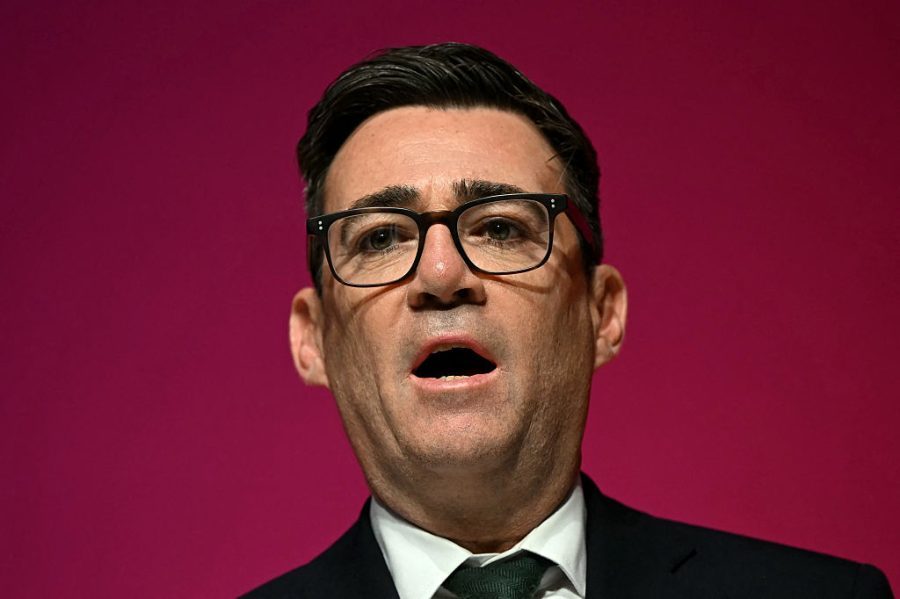
Andy Burnham gave Labour activists fire in their bellies at the Labour party conference this week, showing them emotion and a sense of purpose that they’ve not really seen from a party leader in a good while. Tory party leader Kemi Badenoch won’t respond with a similar level of emotion: that’s just not how she’s built as a person. As she says to Tim in this week’s magazine, she wants to be ‘the person saying “No”’, the people displeaser. It won’t just be a battle of ideas in politics this autumn, but also a battle of behaviour.
But for every bit of energy that Burnham has given his party, he is still going into the autumn with the big, urgent questions unanswered. How is he really going to fund defence? How does he really propose to cut welfare? His answer in his speech was to invest in young people, but a politician as long in the tooth as Burnham will know that investing tends not to save money for a while, and it won’t save enough to reach 3 per cent of GDP going on defence by 2030. It is this sort of wishful thinking about the world that the Tories can catch him on: Badenoch has already had a good go in her first two Prime Minister’s Questions sessions with Burnham, where he ended up saying that national security ‘can’t come at the expense of social security’.
What the electorate really cares about is a government that delivers what it promises
For all that emotion and purpose both matter in politics, what the electorate really cares about is a government that delivers what it promises. It was this failure to follow up that seemed to frustrate voters about Keir Starmer as much as whether or not he appeared human. Voters will forgive a lot of human foibles if a prime minister is following through on their promises, but it’s when nothing seems to be changing that they become irritated by those same foibles. For Burnham, the foible isn’t so much that he’s feeble like Starmer appeared, but that he isn’t able to make all his ideas add up. For the Tories, the attack could basically be that this man is well-meaning but daft.
The Tories know, though, that their last spell in government is blighted by the same failure to implement big ideas as Starmer – and he at least had the excuse of not being in office for very long. There are many reasons why delivery is hard for all governments and why the set-up that we currently have in Whitehall and specifically Downing Street can make it necessarily difficult to get things done. But the Conservatives don’t need to worry so much about emotional displays as about demonstrating to the electorate that next time, they’ll know what they’re about and how to get what they want done. Burnham hasn’t yet spelled the latter out.





Comments