
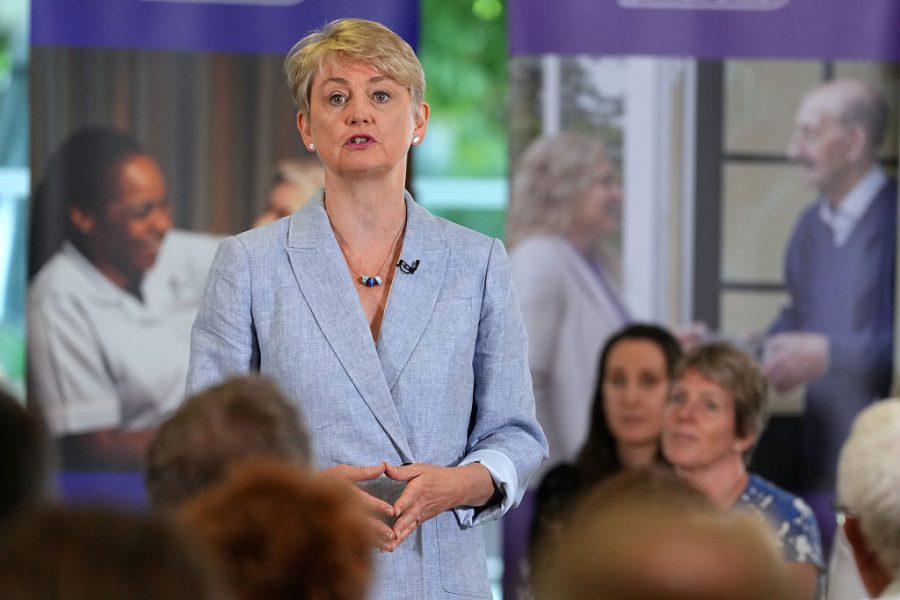
Are mental health centres in libraries, banks and high street locations really going to make much of a difference? Health Secretary Yvette Cooper has unveiled the new facilities today with a £343 million funding package and a claim that this is ‘the biggest redesign of mental health services in a generation’. In any other healthcare setting, that would be a pretty bold claim to make, but instead it just underlines how little work there has been on making mental health services work within the wider NHS.
These 159 new mental health centres, some of which will have their own buildings and others will be based in high street settings, are designed to be ‘welcoming settings with a non-clinical appearance’ so that people struggling with mental illness do not end up in Accident and Emergency. It should be obvious that A&E is a deeply inappropriate setting for someone in mental health crisis, and not just because they tend to have to explain their story and symptoms repeatedly to staff as they are triaged and admitted. The chaotic, noisy environment is not appropriate, either – but then neither are many adult mental health wards. By the time someone has been admitted to a mental health ward, though, they’re one of the lucky ones, given the shortages of these beds. Patients can wait for days in emergency departments for a bed, with staff unable to provide them with the care or protection that they need during this time. Mental health bed occupancy rates are around 95 per cent – the ‘safe’ threshold is 85 per cent.
Mental health bed occupancy rates are around 95 per cent – the ‘safe’ threshold is 85 per cent
So the question is whether once a patient has got through the door of one of these new community mental health facilities, the staff in them will be able to offer them anything more than they would get from a trip to A&E, other than a calmer environment in which to wait. Even the milder cases, where early intervention might prevent a trip to the emergency department later down the line, require something beyond that initial discussion with a healthcare worker. The latest statistics on waiting times for secondary mental health services show the median between referral and contact was 37 days, with longer waits around 169 days. Access to talking therapies is improving, but the waits between initial assessment and treatment are a couple of months on average, too.
The new mental health centres aren’t a bad idea. It’s just that they’ll only really have an impact if they’re able to do something with the patients who arrive that A&E staff can’t. And today’s announcement doesn’t change that: all it does is create a slightly better front door.






Comments