
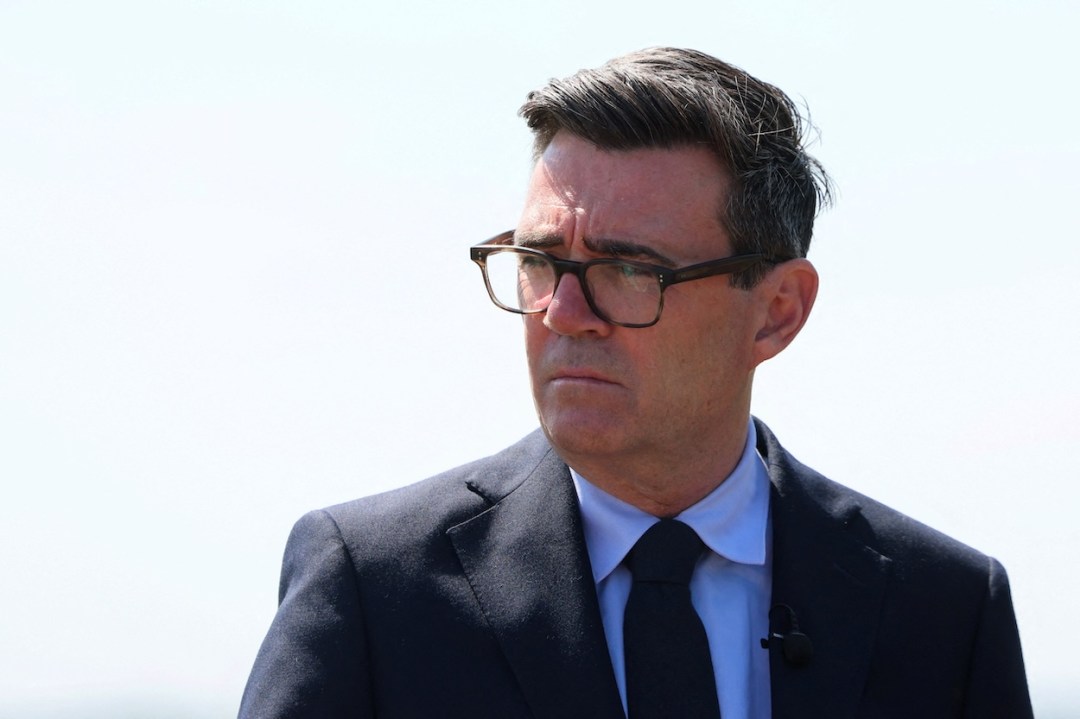
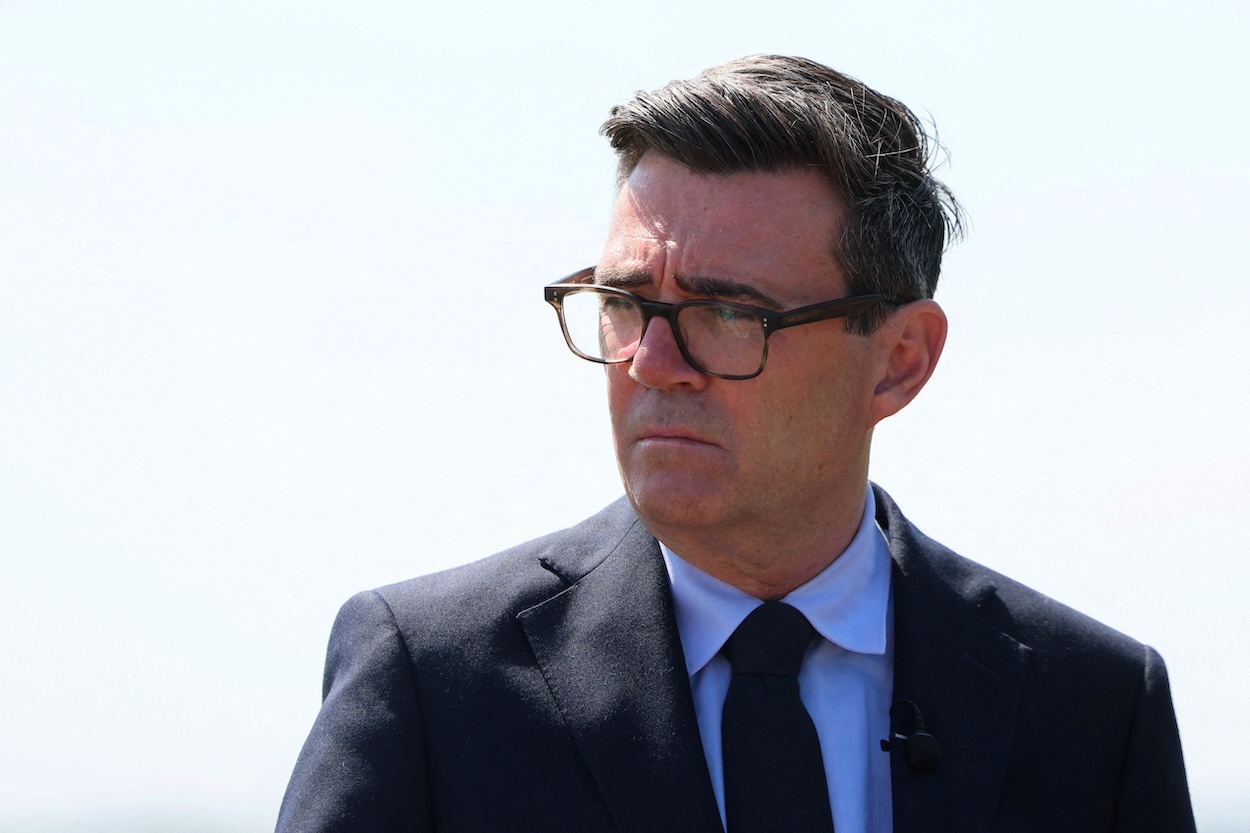
Andy Burnham is apparently enjoying his first taste of unpopularity as prime minister, in the form of the furore over the early release of domestic abusers and the killers of PC Andrew Harper. The Prime Minister made his frustration at the limitations of his situation clear yesterday with a lengthy post on X where he said he wanted to go further in restricting eligibility for early release, but couldn’t. In reality, though, this is a very mild taste for Burnham of the difficulties he will really face: more of a whiff of unpopularity rather than anything that will linger in the mouth.
For starters, Burnham was able to say how frustrated he was because he was dealing with limitations created by others: the prison places crisis is still something Labour can legitimately blame on the Tories. The polling underlines that: YouGov put out a poll yesterday showing just 7 per cent of Britons think this Labour government is most responsible for the shortage of prison spaces, with 34 per cent blaming the last Conservative government, and 40 per cent saying both are equally responsible. He can also suggest that he is at least marginally better than Keir Starmer by tightening up the criteria a bit from his predecessor.
None of these luxuries will be available to Burnham when he and his Chancellor John Healey confront economic reality this autumn. The Times story today that the pair are considering ‘exploiting the fiscal rules’ in order to raise £9 billion a year for spending on infrastructure and housing suggests that Burnham is very keen to offer a Budget that, unlike the first one unveiled by Rachel Reeves, at least gives the illusion of good things coming, rather than majoring on misery. You can listen to Michael’s thoughts on whether the mechanism that’s being proposed actually works on our latest Coffee House Shots podcast, but the overall fiscal reality does remain the same either way, and the cost of living measures announced so far need to be funded just like everything else. In fact, the problem is that Burnham can’t commit to funding ‘everything else’, and it will be the first time in his long career as an elected politician that he’s the one having to say that something he wants to do can’t happen without anyone else to blame for that.
What will be fascinating is how Burnham deals with unpopularity. Keir Starmer didn’t cope with it well, even before he realised how far he could plumb the depths of public opprobrium. In fact, the previous prime minister arguably made himself more unpopular by panicking when he realised people were upset with him, and U-turning on whatever measure had annoyed the public or Labour MPs. Burnham comes into office with a long-established reputation for flip-flopping, but perhaps Starmer’s experience will show him that a sure-fire way to make yourself even more unpopular is to struggle with those early tastes of people being cross.






Comments