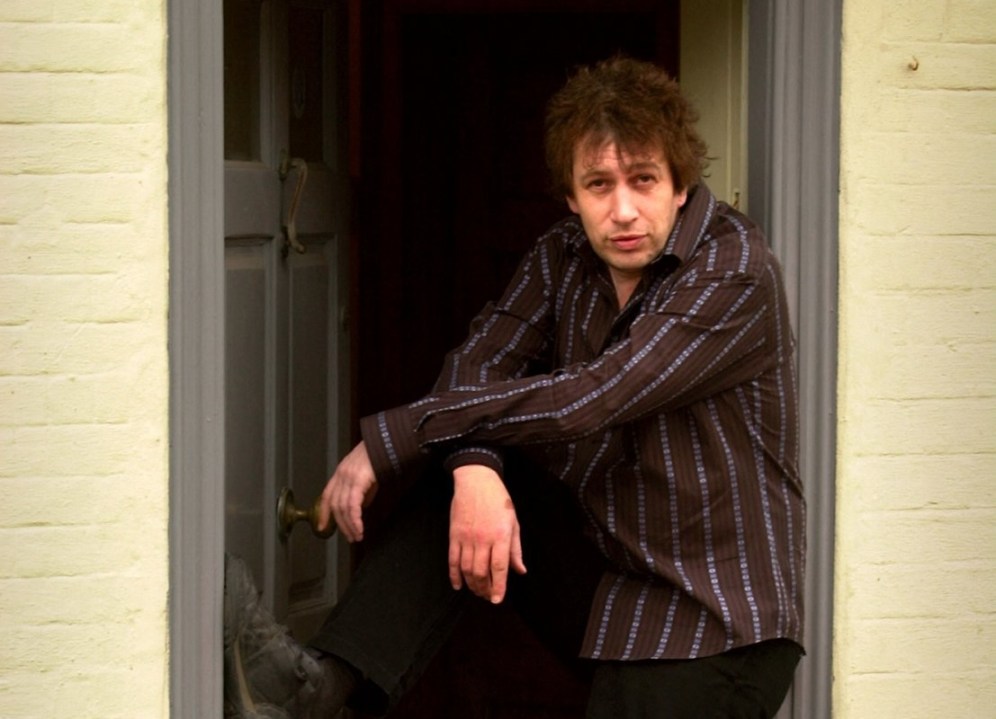
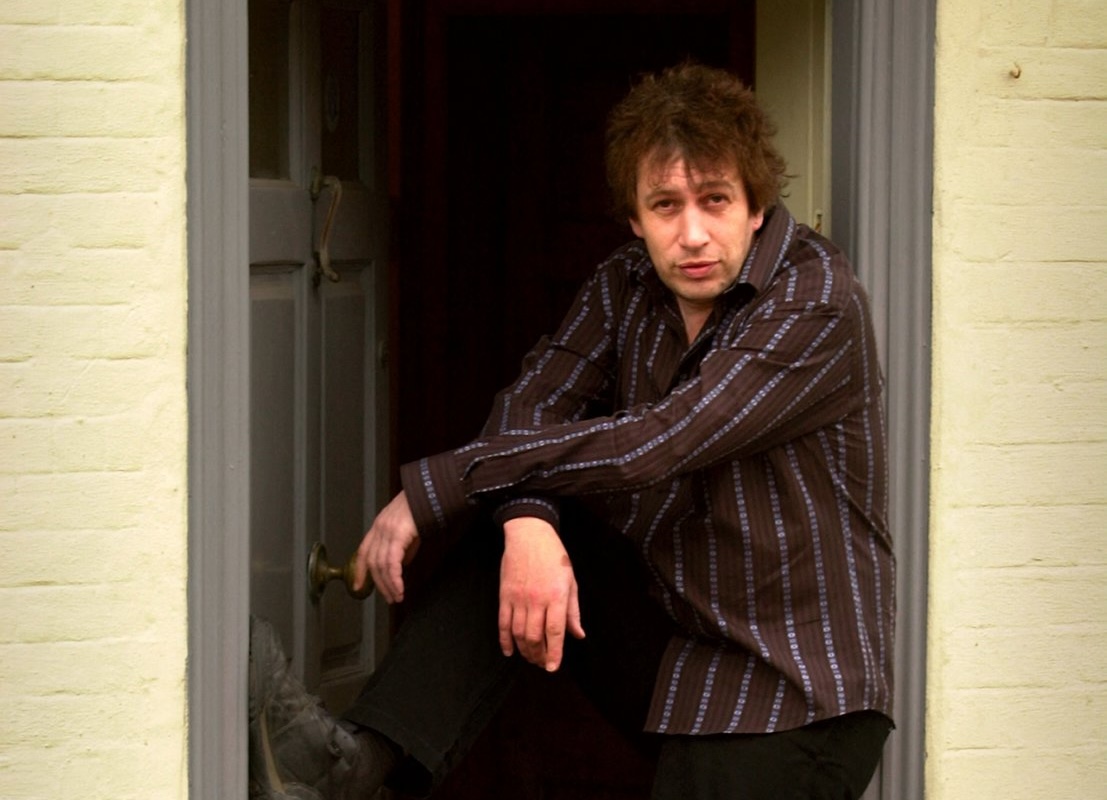
The most striking thing about Rod Liddle when he arrived at the BBC as a trainee producer was how different he was to the corporation norm. Thin as a rake and with artfully-chaotic hair, he looked like an expelled member of a punk rock band. He was the only man on the Today programme to sport an earring. If ever anyone had a charm that could be described as ‘wolfish’, it was Rod. He had countless admirers because there was a whiff of danger about him as such an unconventional inhabitant of the newsroom.
Rod adored being provocative – a trait that became unmissable in his later career
He was, however, a brilliant journalist. He had relatively little experience – his most recent job had been working for Labour’s Barry Jones at Westminster – but he loved the thrill of the news cycle and he rapidly became the producer you most wanted on your team on one of the gruelling Today night shifts. I scheduled him to go to the Conservative party conference in 1987, partly thinking about how amusingly counter-cultural it would be to take him along – he claimed to have never stayed in a hotel as posh as the one we booked for him. But within minutes he was off round the conference bars, extracting confidences from elderly Tories and up-and-coming ministers – and getting original stories to put on air, which had not been a traditional strength of BBC political coverage.
Rod adored being provocative – a trait that became unmissable in his later career. When I first knew him, he was on the left and heading further left. After the Berlin Wall fell, he claimed to be flirting with joining the Communist party, but only ‘because I fancy Nina Temple’, its then general secretary. Journalism always came first, though. He was the duty editor of the Today programme when there was a story in the morning papers about a prisoner being temporarily allowed out to run a marathon, and Rod commissioned multiple interviews condemning this outrage – to such effect that, just before the programme went off air, the Home Office decided to keep him behind bars. Afterwards, Rod was exhilarated by our ability to set the agenda, but rueful about the prisoner’s fate: ‘Poor sod – he probably deserved his day out of jail.’
When I was editor of the World at One, he was my deputy – specifically running The World This Weekend, where he injected vitality into what had previously been a much duller experience. Later, he was my deputy again when I was editor of Today. I could not have had a more steadfast colleague, but we were capable of having enormous arguments. He once wanted to expose an allegedly polluting factory in Wales on what I thought wasn’t strong enough evidence, and we bellowed at each other across the office about what he thought was my bureaucratic caution and what I argued was his callow recklessness. He was later proved right, of course, and he would teasingly drop it into our conversations for the following 30 years.
It was when he became editor of Today himself that he truly blossomed. Rod was more popular than you might have thought with senior managers because his talent was so obvious, and they also thought they were being radical by putting him – still a rough diamond in BBC terms – into key jobs. He combined a commitment to high editorial standards with a widening of the range of voices on the programme. Raphael Rowe, one of the M25 Three who had wrongly been convicted of murder, became a reporter – as did Andrew Gilligan, who later was at the heart of the BBC crisis over weapons in Iraq. Rod managed them closely, enjoying the frisson they brought to Radio 4 but never letting them get away with anything unsubstantiated. The programme was a terrific listen because he contrived an element of surprise. The Today reporting of racial tension in northern England by the British Asian reporter Barnie Choudhury was fearless in a way that lesser editors would have shied away from.
But it was hard to see Rod doing a job for the BBC other than editing Today. He could be managerially wayward. I once asked him to save £20,000 from a programme budget because of a financial crisis, and he did it by cancelling an assignment that he’d only just thought of.
We also had no idea that he was as good a writer as he turned out to be. His Guardian columns, written while he was still editor of Today, gave a hint of his talent. But it was only when he was free of the BBC’s shackles that his writing took flight, to the benefit of readers of TheSpectator, the Sunday Times and so many more.
We last met for lunch in London at the end of last year. As his writing had become more vituperative at times, I thought he personally became ever kinder. He never lost his charm or his love of fun, and it was a privilege for me to have been his boss and most of all his friend.


Comments