Monstera deliciosa, otherwise known as the Swiss cheese plant, is perhaps the most popular houseplant of them all, probably because it’s so easy to care for. In normal circumstances, you almost have to try to mess it up. A heatwave, however, akin to those we’ve become used to this summer, can put a monstera under stress. Subject one to anything more than 30°C for too long and you’ll find its poor leaves scorched, its roots damaged and its stems desperately dehydrated.
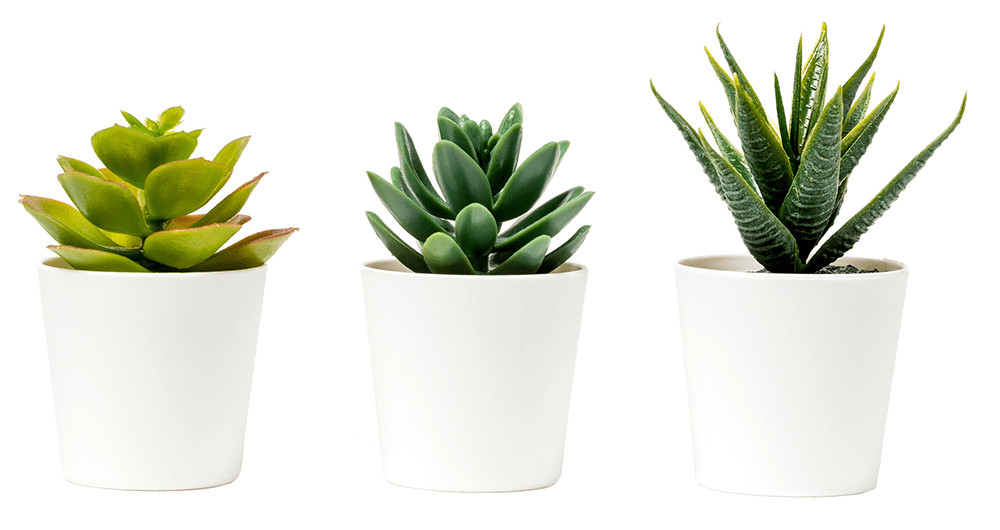
For this reason, there might be the temptation to turn to a shockingly popular alternative: the plastic plant. It should be resisted at all costs.

A potted history takes us back to the 1950s, when a postwar manufacturing boom saw the mass production of cheap polyvinyl chloride and polyethylene. And so it was that unkillable leaves of various garish, greenish shades were first fashioned from plastic, fixed to a stem and placed on innocent tabletops.
Over time, plastic plants took on sillier features, with polyester used for fake petals throughout the 1970s. By the 2000s, latex was included to imitate the exact waxy feel of the real deal. The tide of eco-consciousness across the 2010s and 2020s brought a range of recycled plastics and biodegradable polymers into the mix. You can now purchase just about any kind of fake houseplant (‘hassle-free décor’, as Amazon puts it), as tropical as possible and as rare as you like, straight off some sweatshop-fuelled e-commerce platform for a grand total of around £2 and not too many pence.
The only issue is that they are absolutely ghastly. Radiohead were on the mark with their 1995 single ‘Fake Plastic Trees’, which was written, in part, to condemn the newly built and nauseatingly synthetic landscape of Canary Wharf. ‘Her green plastic watering can/ For a fake Chinese rubber plant’, the song begins, before going on to declare: ‘It wears her out/ It wears her out/ It wears her out/ It wears her out.’
It sure does wear me out. However advanced modern manufacturing becomes, and however hard manufacturers try, these monstrosities are not monsteras. Not even slightly. Their presence creates a strange atmosphere of unease. Spying a plastic plant in the corner of a room is a surefire way to suck the life out of your surroundings. As if that isn’t happening enough already. Now that AI is replacing so much writing, thinking and creating, we don’t need fake plants to pair with our fake humans.
Plus, there is a good scientific reason to embrace real greenery. The human eye is more sensitive to green wavelengths than to any other part of the visible spectrum. We can distinguish subtle variations in the colour with remarkable precision. This evolutionary advantage probably helped our ancestors identify healthy vegetation and sources of food in their forest surroundings. It is a colour with which we remain instinctively at ease. So natural green, with all its variation and changeability, is something artificial materials simply cannot replicate.
Numerous studies have also associated exposure to natural greenery with lower stress levels and reduced heart rates. And even if you think all that is a load of wellness woo-woo, there’s still no getting around the fact that a plastic plant is just ugly. You’d be far better off with no plant at all.



Comments