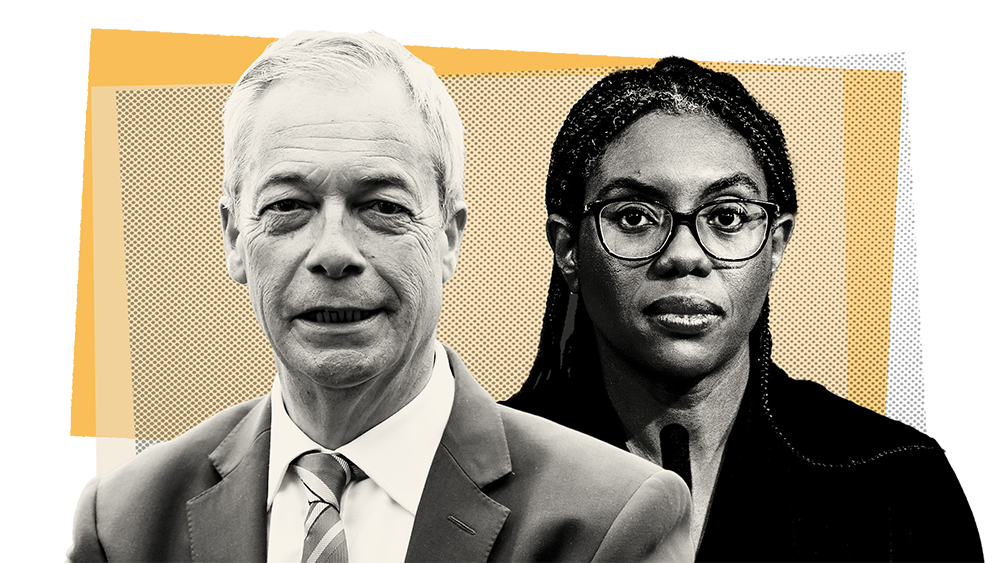


Kemi Badenoch was in an upbeat mood when she addressed her troops last week. ‘This time last year,’ she said to the 1922 Committee, ‘people told me Jenrick was taking over the party, Starmer was steady, Farage would be the next prime minister. A year later, Rob is under police investigation, Starmer has resigned and Farage is not even an MP.’ It was a reminder of how quickly the wheel of politics can turn.
Now the arrival of Andy Burnham has reset Westminster. The cabinet has been re-orientated towards Birmingham and the north. Members of the Co-Operative party – the standard-bearers of Labour’s collectivist tradition – have been given the business, energy and education briefs. Mutualism, more than Manchesterism, could define the new government. In his first speech at No. 10, Burnham spoke of ‘wrong turns’ in the 1980s, stressing ‘public control’ and ‘common purpose’. His opponents and their teams were listening intently. Nigel Farage digested the speech in the back of a car en route to Clacton; Badenoch was with family, planning her remarks at the Farnborough Airshow. Ed Davey, in true Lib Dem fashion, was stuck at a local NHS meeting, before catching up with the speech later. Yet as they assess how best to respond, there is now a risk that each party retreats into its comfort zone.
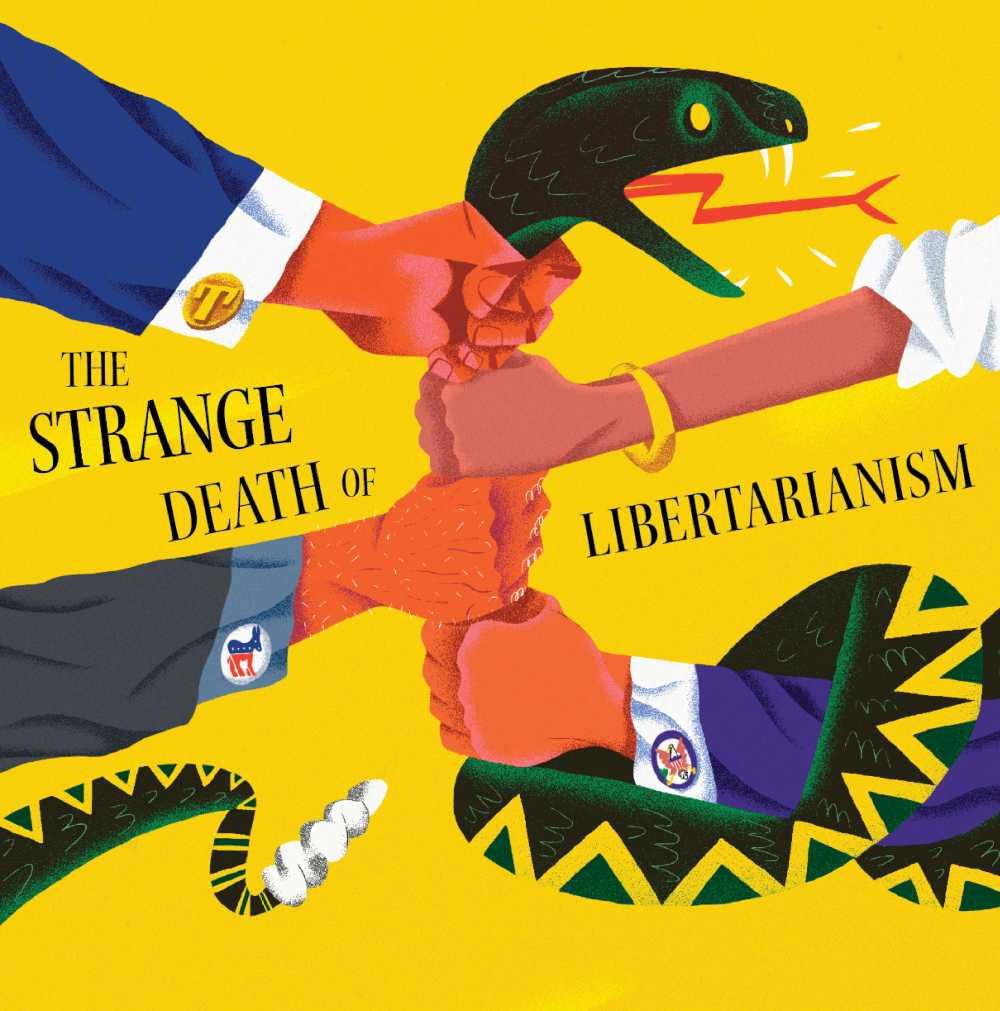
The Tories’ initial reaction has been to leap to defend Margaret Thatcher’s record. Many hope that Burnham-era politics will be fought over traditional left vs. right economic arguments. However, there is a risk for the Conservatives that the world has moved on. Much of Burnham’s economic prescription is superficially attractive: muscular interventionism, duffing up water companies and refinancing the public realm. All this plays well with the electorate. There are few votes to be won in defending a crumbling ancien régime.
Like Spinal Tap, Reform has turned the volume up to 11, decrying the transfer of power as a ‘coup – plain and simple’. They are spending much of the next month stumping across Britain and railing against the ‘uniparty’. Enraged by criticisms from establishment media, they are building up their own platforms so they can speak to voters unfiltered. The risk, though, is that they spend much of the summer effectively talking to themselves, rerunning old tricks rather than converting other parties’ voters.
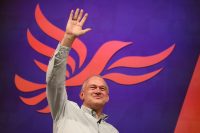
The Lib Dems, meanwhile, have opted for inertia, quietly voting with Labour peers to kill moves in the Lords to debate Burnham’s plans. Historically, when Labour does well, the Lib Dems do too. But increasingly some within Davey’s ranks feel uncomfortable at effectively subcontracting out their futures to another party – especially when Lib Dem voters in affluent seats face higher tax bills.
Keir Starmer believed that Britain did not require a 1945 or 1979 ‘reset’ moment: his successor clearly disagrees. Usually, a prime minister designs a plan for office and then seeks a public mandate for it. Burnham, though, is doing the opposite: seizing power, embarking on a ‘listening tour’ and then setting out his basis for government. Each of the other parties will spend the coming weeks planning how best to scrutinise Burnham’s agenda in a way that acknowledges the validity of some of his critiques. Now parliament is in recess, the big battle will be over media airtime as the PM’s allies and opponents try to define him.
Fiscal constraints on Burnham’s ambitions have raised expectations there will be an election within a year
Labour’s rivals are preparing for a fight with John Healey, the new Chancellor, over the cost of living. The Tory charge is that the Prime Minister is writing cheques that the Chancellor cannot cash. Burnham’s plans to cut VAT on energy bills and raise the personal tax threshold are already forcing the Treasury to mop up after him. It’s a dynamic that will strain very quickly.
Reform has gone straight in on trying to define Healey for his work as a junior minister under Gordon Brown, depicting him as another failed politician of the old order. ‘We thought [the chancellor] was going to be Shabana,’ admits one Reformer. ‘We had stuff drawn up.’ There was delight, however, at Miatta Fahnbulleh taking over from Ed Miliband as a fellow green-minded energy secretary. Indeed, in an interview with Times Radio, she suggested her predecessor was not ‘dogmatic’ about net zero. ‘The more we talk about net zero, the better for us,’ says one gleeful Reformer.
The fiscal constraints on Burnham’s ambitions have raised expectations among his opponents that there will be an election within a year. Badenoch discussed this at the last shadow cabinet meeting before recess. Staff at CCHQ were instructed to start planning an election timetable. The manifesto will be shorter than usual. Badenoch is keen to focus on a few big priorities rather than an all-inclusive ‘Christmas tree’ approach.
Tory candidates are being selected earlier than many envisaged, in part to boost organising efforts in areas of the country where party resources are stretched. ‘We’re now adding more people to WhatsApp groups rather than removing them,’ jokes one hopeful. Grant Shapps, the ex-Defence Secretary, is among those who have not passed the new selection process. But, given the dire state of the party’s polling, few Tories want Burnham to go for an early election. Some would prefer he instead resolves some of the country’s problems that are driving voters to Reform. ‘I need Labour to do well,’ admits one MP.
Within Reform, the party is convinced that there will be an election by May 2027. This is a mix of hope as much as expectation. Farage’s Norfolk speech on Tuesday sketched out the contours of the coming campaign: cost of living, immigration and crime. Candidates will be selected for seats from next week, following scores of interviews since May. The policy team has been keeping a register of their own commitments and a manifesto meeting was held on Wednesday morning. The challenge will be to keep various plates spinning as the party refocuses on Burnham.
The new Prime Minister’s recent run of luck has been remarkable: selected, elected and crowned within eight weeks. But with political fortunes always changing, both Burnham and his opponents will need to be at the top of their game to avoid being caught in their comfort zones over the coming months.




Comments