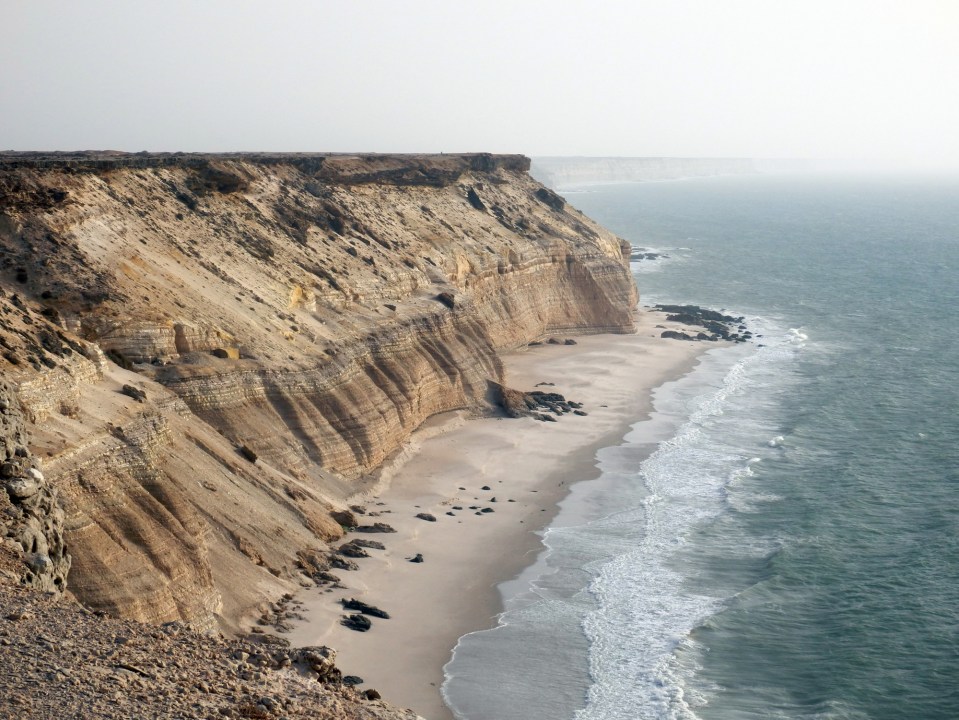
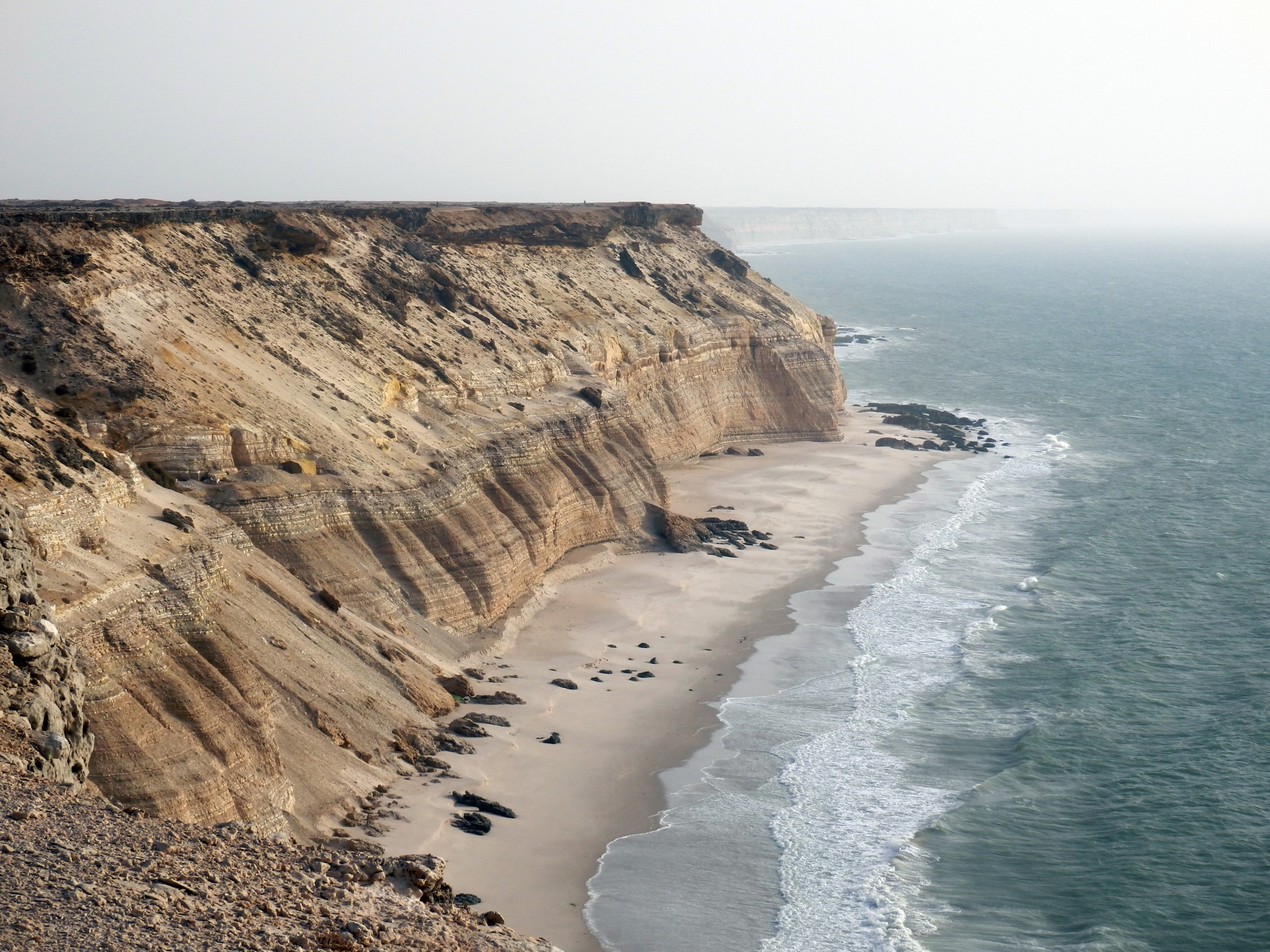
Christopher Nolan could not resist the spell of the White Dune. Tucked inside a lagoon, it rises out of the sand like a tower, glistening against the cloudless blue sky. The British filmmaker shot several scenes of his blockbuster The Odyssey (out today) at this otherworldly landmark, located near the city of Dakhla in the Western Sahara.

Until now, much of the region – a former Spanish colony which has been under Moroccan control since the 1970s – has been largely untouched by tourists. Yet that is expected to change under King Mohammed VI, who is investing billions in metamorphosing the area into a hub for business and tourism. Think of it as tomorrow’s Dubai.
The Gulf metropolis, after all, was a fishing village not that long ago. In the wake of the Iran war, as Tehran’s regime holds the Middle East hostage, Dubai-based expats are searching for a new Shangri-La. Many of them will want to follow Odysseus and flock to Dakhla.
However, not everyone is beaming at the prospect. After Nolan filmed in the Western Sahara, he faced the righteous rage of the woke caudillo himself, Javier Bardem. Taking a break from wearing pro-Palestine pins that read ‘No a la guerra’ (‘No to war’), the movie star made time for another crusade: #FreeSaharaNow.
Bardem, whose political acumen is inverse to his acting talent, supports the Polisario Front, an armed group that wants to ‘liberate’ the Western Sahara and establish an independent land called the Sahrawi Arab Democratic Republic. Perhaps unsurprisingly, given the Spaniard’s track record at picking champions, the Polisario Front is also accused of being an Iranian proxy that sells arms to jihadists (the group has denied any links to Tehran). Currently, it controls a thin strip in the region’s easternmost part.
But the Polisario Front’s bid for the Western Sahara seems doomed to fail. Last year, the United Nations security council endorsed Morocco’s proposal to give the territory autonomy but ultimately maintain sovereignty. More than 100 countries backed the proposal. The UK government hailed it as ‘the most credible, viable and pragmatic basis for a lasting resolution of the dispute’.
With that diplomatic momentum – and the next World Cup partly taking place in Morocco – expect to hear a lot more about the Western Sahara in the coming decade. The region is the same size as Britain. Yet its population – a mix of Sahrawis and economic migrants from other parts of Morocco – is only 600,000. That number is likely to grow rapidly.
In the wake of the Iran war, many Middle East-based expats will want to follow Odysseus and flock to Dakhla
Since 2015, the Moroccan government has invested £7 billion to level it up. That started with raising living standards for locals – building schools and hospitals. As the UAE did with Dubai in the 1980s and 1990s, this has continued with modernising infrastructure, including 620 miles of motorways. Water desalination plants are in use, and lands around Dakhla have been transformed into farms – mainly growing fruits and vegetables.
But the centrepiece is the £1 billion Dakhla Atlantic Port. Currently under construction, this massive undertaking will include a commercial and a fishing port, a shipyard and an oil terminal. In total, 35 million tons of goods are expected to pass through every year.
Having a port of this magnitude in Dakhla will boost not just the Moroccan economy, but also global trade. As Nisrine Iouzzi, who is overseeing construction, told CNN: ‘The geographical location is key to the success of the port.’ It will give more maritime access to landlocked Sahel countries – such as Niger and Burkina Faso – and better connect West Africa to the rest of the world.
Dakhla’s port is scheduled to open by 2029, but international players are already making moves in the Western Sahara. Renewable energy is a big draw: American, Chinese and European consortiums are investing in green hydrogen projects. Data centres are also planned on the outskirts of Dakhla. Following the Dubai model, there are tax incentives for companies and individuals.
And just as it was for Dubai, tourism is integral to the development of the Western Sahara. Two European carriers, Ryanair and Transavia, fly there. Last year saw nearly 750,000 visitors – many of whom (including Virgin tycoon Richard Branson) have visited Dakhla for kitesurfing.
Influencers and digital nomads, who have flourished in Dubai, are also likely to give Dakhla a thumbs-up. The desert landscapes are Instagram-ready and will make jaw-dropping backdrops for selfies. In the Sahara, there’s no need for filters. Even better, prices are relatively affordable. For the time being, at least.
Can anything stop Dakhla from becoming the next Dubai? As the rulers of the emirate have discovered, there’s always the risk of geopolitical conflagrations. Still, it’s tough to imagine what could hinder the Western Sahara’s breakneck development. Morocco is determined to put the region on the map. And, while the Polisario Front is still active in the east, it’s a long way from Dakhla and the threat appears under control for now.
In The Odyssey, the blind seer Tiresias prophesies that Odysseus will one day return home. So, in closing, let me attempt a prophecy of my own: Like Nolan, many Westerners will fall under the spell of the White Dune.




Comments