The foundations of all British situation comedy were laid by Charles Dickens. If you were to remove that tiresome fun-sponge Little Nell and her wholly meaningless death from The Old Curiosity Shop, for instance, you would have before you, in more pleasing proportions, a rich array of recurring comic characters in a variety of scenarios. There are Kit Nubbles and his oyster-adoring family; Abel Garland and his anarchy-prone pony; the preposterous boulevardier Dick Swiveller; and of course the monstrous Daniel Quilp, at war with his wife, his mother-in-law, and the boy who walks on his hands outside the wharf window. The point is that you look forward to seeing them all; it’s not so much about wit as about foibles. Situation comedy goes beyond the reflexive laugh and invites glowing affection. You see it today in those doting fans who continue to worship the Trotter family and their illimitable knocked-off goods from Only Fools and Horses.
Robert Sellers has previously explored 1970s sitcoms. The lustre of these chronicles of decline – Rising Damp, The Fall and Rise of Reginald Perrin and the melancholic Whatever Happened to the Likely Lads? – never fades. But the sitcoms produced in the 1980s had a rather more inventive range.
Sellers canters with helter-skelter speed and economy, year by year, through every sitcom made on every channel. We move from the sophistication of Yes Minister and Blackadder to the raucous sauce of Robin Askwith in ITV’s Bottle Boys, a universally reviled randy milkman proposition unlikely ever to be viewed again. The advent of Channel 4 brought us Desmond’s, a pioneering black sitcom. This was important because comedy – as opposed to hard-hitting drama – conjured intimacy: prejudice lightly dissolved by artful comic structure.
In the course of Sellers’s breathless progress through dozens of sitcoms, most of which you will have wholly forgotten (No Place Like Home, Holding the Fort, Three Up, Two Down), we are invited to envisage a vanished television landscape we once took for granted: programmes produced in front of live audiences, performed almost as though in a theatre under a proscenium arch. The sound of live laughter was deemed vital. Scripts and performances were calibrated minutely around lattice-works of gags. Recently, the determinedly retro Mrs Brown’s Boys has been pretty much alone in insisting on a live audience – there to reassure you that you are not alone in finding vulgarity sinfully amusing.
There are capsule interviews that Sellers has conducted with various actors and producers which make you start to appreciate the vexing craft of eliciting robust laughs from such audiences – and in turn the way that performers could bounce off them. Superior turns such as Anton Rodgers, Penelope Wilton and Judi Dench were lured in by the challenge. They were not slumming it – they wanted to master a form that others, such as Richard Briers, had perfected.
In the midst of all this it is lovely to revisit long-familiar comedies – and to be shocked by them. The BBC’s ’Allo ’Allo!, which ran for about 90 episodes to audiences of 14 million, took the story of heroic wartime French resistance, Wehrmacht cruelty and Gestapo sadism and turned it into ruthless bedroom farce. The series was utterly black-hearted throughout – and consequently shout-makingly funny. Young relatives of mine are goggle-eyed with admiration at how deftly ’Allo ’Allo! turns darkness to slapstick.
Young relatives of mine are goggle-eyed with admiration at how deftly ’Allo ’Allo! turns darkness to slapstick
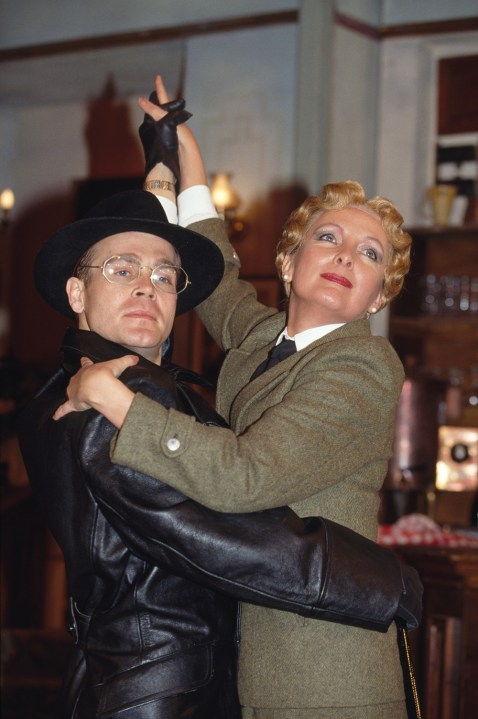
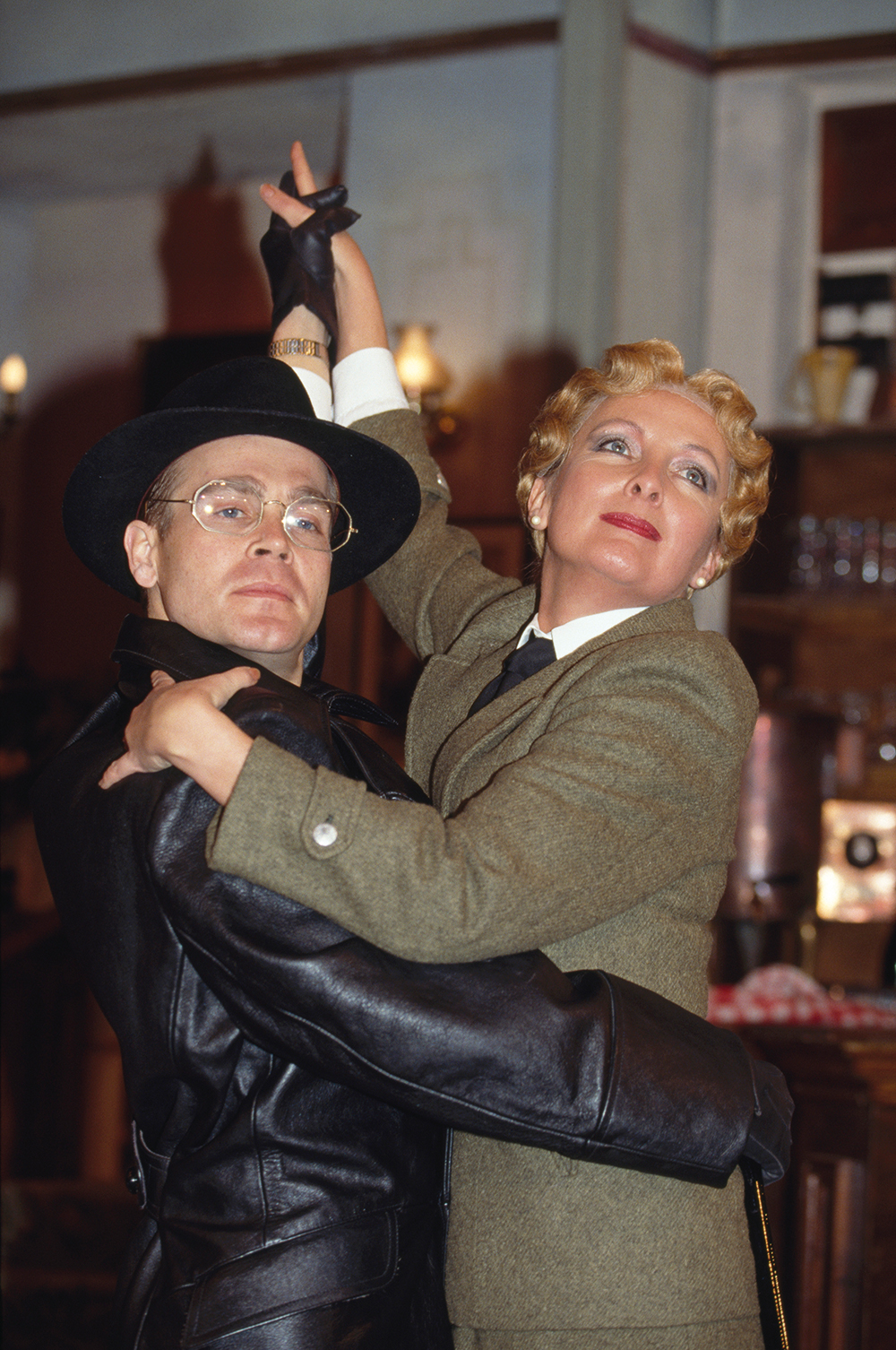
Then there was Hi-de-Hi!, set in a dowdy 1950s holiday camp. Watch it now for the extraordinary layers of sadness, unrequited love and shattered hopes. The camp’s genteel ballroom dance champions Barry and Yvonne Stuart-Hargreaves are the finest portrayal of a lavender marriage on screen.
As for echoes of the 1980s Conservative government, there was such a thing as ‘alternative comedy’ – Ben Elton delivering soliloquies about ‘Thatch’ and Alexei Sayle shouting about Stoke Newington – and perhaps, more broadly, this is why the mainstream sitcoms did not reflect the jagged landscape of the time. Even when 1986 brought the Carla Lane, Liverpool-set comedy Bread, which did feature dole queues and financial anxiety, it was wrapped within the warmth and fast-talking sentimentality of a much-loved screen family.
Funnily enough, it’s the comedies that were once seen as trailblazers that don’t stand up. When I was at school, everyone went mad for The Young Ones, which launched Rik Mayall and Ade Edmondson. It is tooth-grindingly unfunny now – unlike their later 1990s masterpiece, Bottom. Conversely, it’s the comedies that were once regarded by the young as nauseatingly twee and middle class – from Terry and June to Ever Decreasing Circles – which reveal themselves as having surprising bite. A word here for the late, brilliant Penelope Keith and her toweringly snobbish character Audrey fforbes-Hamilton from To The Manor Born, who would surely have delighted and beguiled Dickens himself.





Comments